
10 foods that were once illegal around the world and why they were banned
10 foods that were once illegal around the world and why they were banned
While food is often considered a symbol of culture, tradition, and comfort, it is interesting to note that not all that reaches our tables is considered safe and acceptable by all standards and in all places around the world.
These bans are often shaped by a mix of health concerns, ethical debates, environmental impact, and cultural differences, showing how food laws reflect deeper societal values rather than just taste or tradition.
According to reports, there are various instances of certain foods being banned or prohibited in different parts of the world, and what is considered a gourmet meal in one culture is illegal in other places.
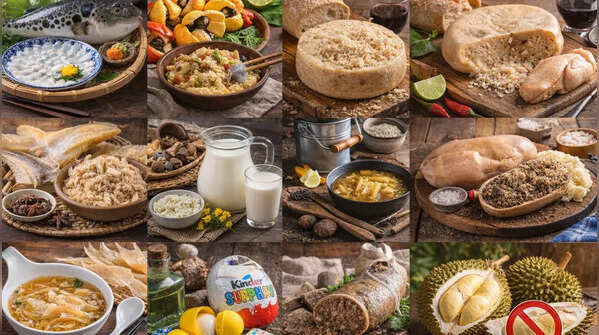
From poisonous fish to other everyday consumables such as raw milk, there is much to learn about what is considered safe and legal by examining why certain foods have been banned or prohibited in different parts of the world.PC: AI-Generated
Durian and public space bans
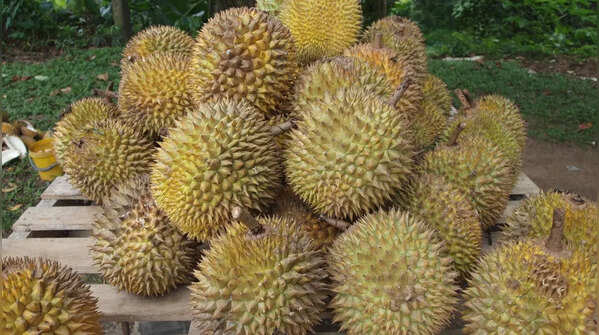
The notorious fruit, which has a distinct odour, is banned in several public places, such as hotels and public transport in different parts of Asia. Even though the fruit is not illegal to eat, its odour has caused a ban.
PC: Wikipedia
Poppy seeds and legal restrictions
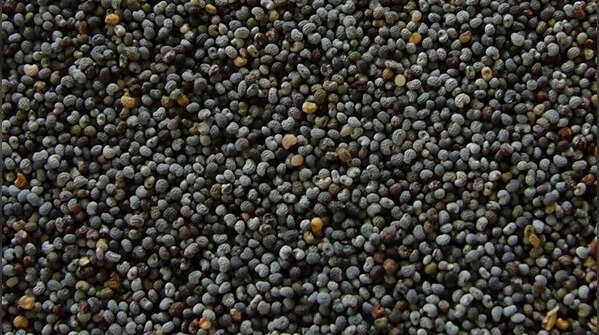
Poppy seeds are utilised in different recipes; nevertheless, there was a ban on the use of poppy seeds in some countries due to the association of the poppy plant with the production of narcotics.
PC: Wikipedia
Haggis and ingredient restrictions
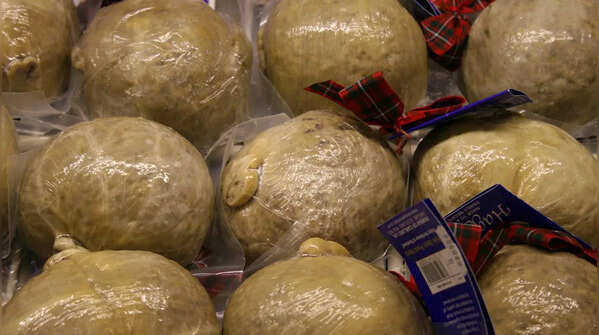
Haggis is a traditional Scottish dish that has faced import prohibition in the United States due to the inclusion of sheep's lung in the recipe, which is not allowed by U.S. food safety regulations.
PC: Wikipedia

Kinder Surprise eggs and safety laws
The Kinder Surprise eggs used to be banned in the United States for a long time because they contained a toy inside a chocolate shell, which was considered a choking hazard for kids under food safety regulations.
PC: Wikipedia
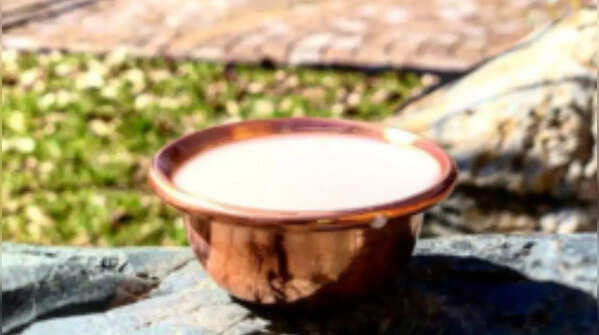
Raw milk and bacterial risks
Unpasteurized raw milk has also been controlled in many countries due to the presence of harmful microorganisms such as Salmonella and E. coli. The process of pasteurisation is required in many regions to make the milk safe for consumption.
PC: Wikipedia
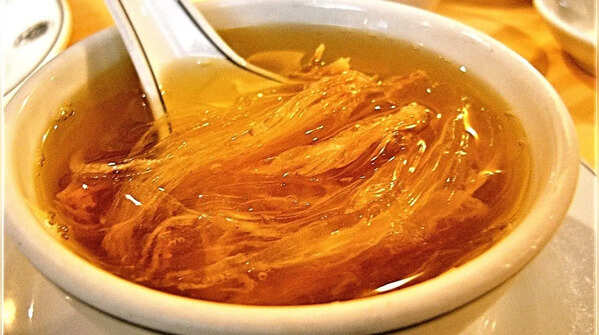
Shark fin soup and environmental impact
Shark fin soup has also been banned in many places due to the overfishing problem and the decline in shark populations. Cutting off the fins and discarding the rest of the shark has also been criticised.
PC: Wikipedia
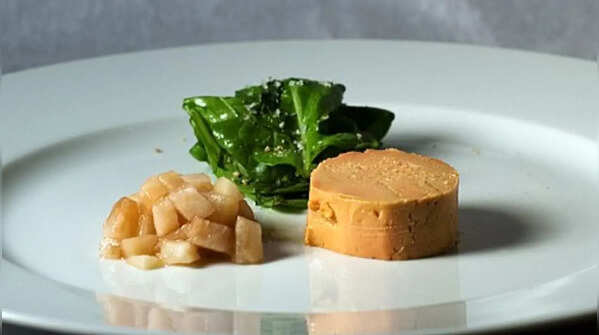
Foie gras and animal welfare issues
Foie gras consists of a duck or goose liver. Ducks or geese are forcibly fed to increase the size of their livers. This practice has been a major concern, resulting in a ban in some countries.
PC: Wikipedia
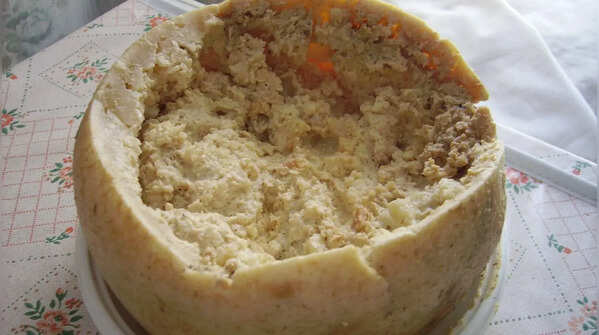
Casu marzu and food safety concerns
Casu marzu is a traditional cheese from Italy that contains insect larvae. The cheese has been classified as a delicacy but has also been prohibited under European Union food safety regulations due to hygiene and health risks.
PC: Wikipedia
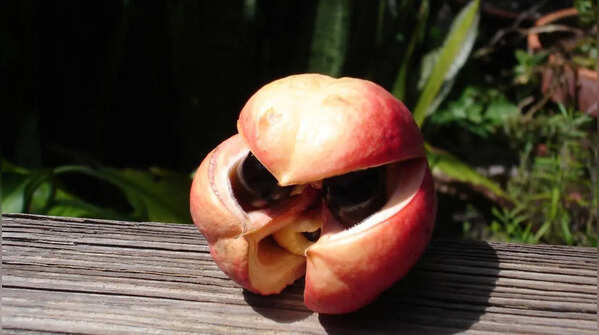
Ackee and the risk of poisoning
Ackee is a fruit that is usually eaten in Jamaica, but it is very dangerous if eaten before it is ripe. This is because, before it is ripe, ackee contains dangerous compounds that, if ingested, can cause serious illness in an individual. Because of this, regulations have been put in place to control its import and sale.PC: Wikipedia
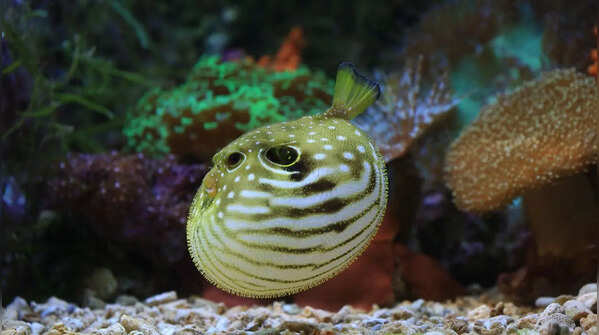
Fugu and its deadly toxin
One of the most dangerous dishes in the world is Fugu, a Japanese delicacy made from pufferfish. It has a dangerous toxin that can cause paralysis and even death. Therefore, it is heavily regulated in Japan, and only licensed chefs are allowed to prepare it.PC: Canva
Featured In Food

