
- News
- lifestyle
- fashion
- style-guide
- The silk route: Why these 5 Indian weaves belong in every modern wardrobe
The silk route: Why these 5 Indian weaves belong in every modern wardrobe
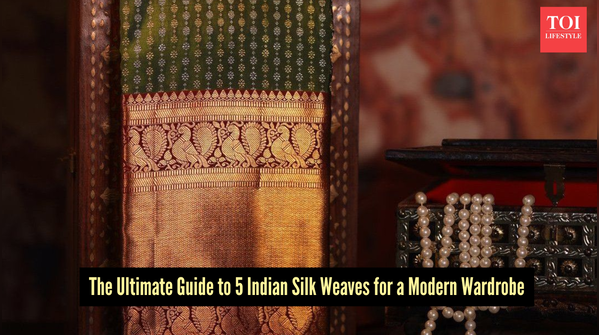
5 Indian Silk Weaves to Invest in Now
There is a specific kind of nostalgia attached to the sound of rustling silk. For most of us, it evokes memories of a grandmother’s trunk, the distinct scent of naphthalene balls, and the weight of a heritage saree draped for a special occasion. But Indian silk is not just about looking back; it is having a massive fashion moment right now. From power-dressing CEOs to sustainable fashion advocates, the six-yard staple is being reimagined. If you are looking to build a wardrobe that screams "quiet luxury" without saying a word, here is a breakdown of the five heavyweights of Indian handloom you need to know.
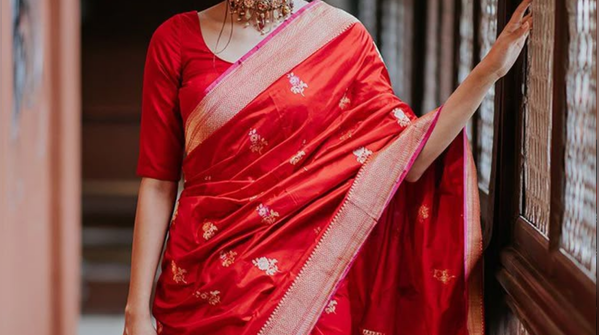
The Gold Standard: Banarasi
If opulence had a fabric, it would be Banarasi. Hailing from the ancient lanes of Varanasi, this weave is the undisputed headliner of North Indian weddings. You can spot a Banarasi from a mile away thanks to its Mughal-inspired grandeur. Expect heavy gold or silver zari brocade featuring intricate floral vines (bel) and the classic jhallar leaf designs tracing the edges. While the traditional heavy Katan silk remains a bridal favorite, the modern lifestyle shift is towards lighter "Tanchoi" weaves and organza variants. These are perfect for cocktail nights where you want the royalty of a Banarasi without the weight of a bridal lehenga.
(Image Credits: Pinterest)
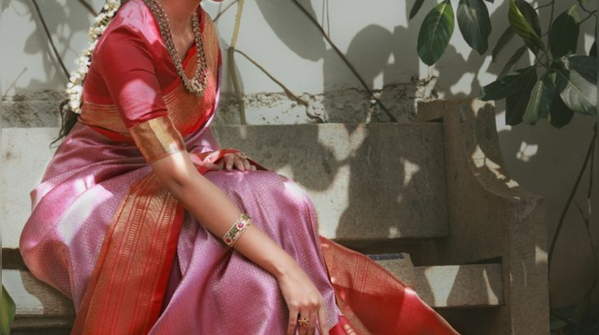
The Power Move: Kanjeevaram
Down south, the Kanjeevaram is revered as the "Queen of Sarees," and for good reason. Woven in Kanchipuram, Tamil Nadu, this silk is all about bold contrasts and structural dominance. Unlike the flowy nature of other silks, Kanjeevaram holds its shape, making it the go-to for "power dressing." The genius lies in its engineering: the border and the body are often woven separately and then interlocked using a technique called Korvai, creating a joint so strong it can outlast the wearer. With motifs drawn from temple architecture and nature—think peacocks and checks—this fabric, often sported by icons like Rekha, is a statement piece. It says you mean business.
(Image Credits: Pinterest)
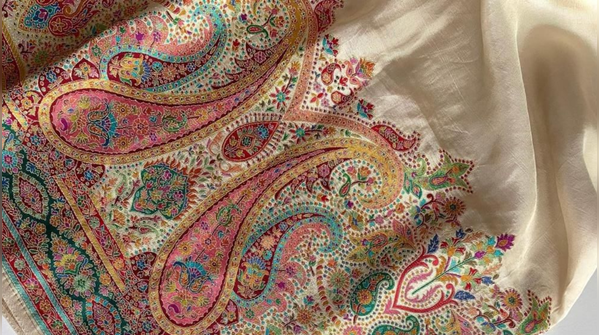
The Eco-Luxe Choice: Muga
If you are leaning into the "sustainable luxury" trend, Assam’s Muga silk is your best friend. This is one of the rarest silks in the world, produced by a silkworm found only in the region. The magic of Muga is that it is naturally golden—no dyeing required. It is an investment in the truest sense. Muga is known to be incredibly durable, often outliving the original owner, and the fabric actually becomes glossier with every wash. It’s organic, it’s rare, and its natural shimmering yellow tint fits perfectly with the current minimalist, earth-tone aesthetic.
(Image Credits: Pinterest)
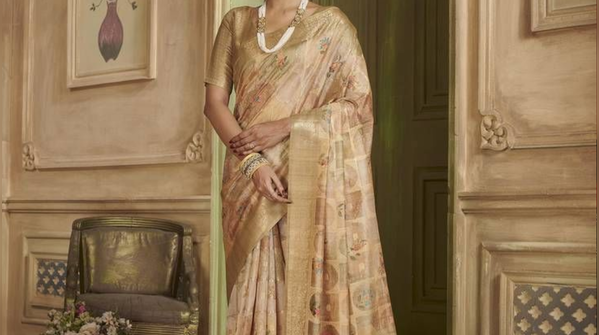
The Bohemian Texture: Bhagalpuri
Not everyone wants the high-gloss shine of a traditional silk. Enter Bhagalpuri, or Tussar silk, from Bihar’s "Silk City." This is often called "Wild Silk," and it has a completely different personality. It is porous, slightly coarse, and has a dull, matte gold sheen that feels earthy and bohemian. Because it is more breathable than mulberry silk, it is excellent for layering. Designers are currently loving Tussar for Indo-western silhouettes—think structured waistcoats, culottes, and jackets. It dyes beautifully, making it a favorite for those who want color without the blinding bling.
(Image Credits: Pinterest)
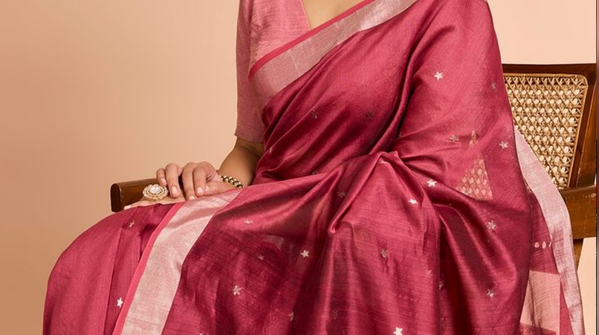
Woven Air: Chanderi
For those who find traditional silk too heavy for a brunch or a day at the office, Chanderi is the answer. Coming from Madhya Pradesh, this fabric is often described as "woven air." It is historically a blend of silk and cotton with zari, famous for its sheer, transparent texture and feather-light weight. Chanderi doesn't do heavy brocade. Instead, you will find delicate motifs like coins or small florals. Its pastel palette makes it the ultimate "Summer Silk," perfect for when you want to look dressed up but stay cool.
(Image Credits: Pinterest)
Featured In lifestyle

MORE FROM ETIMES
life & style