
Harper Lee’s novel ‘To Kill a Mockingbird’ in just 10 sentences: A timeless classic
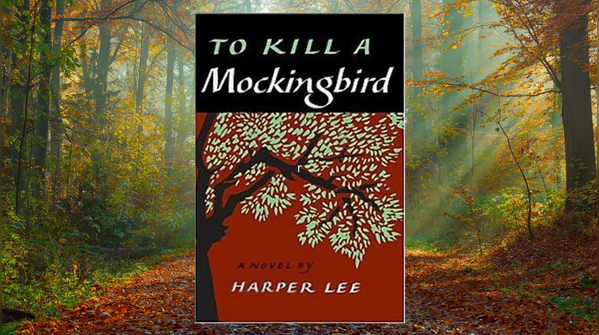
Harper Lee’s novel ‘To Kill a Mockingbird’ in just 10 sentences: A timeless classic
‘To Kill a Mockingbird’, the novel by Harper Lee, is a masterpiece that combines childhood innocence and harsh reality, and its themes continue to be relevant today.
In the small town of Maycomb, Alabama, during the Great Depression, Scout Finch narrates her adventures and misadventures with her brother Jem and friend Dill, obsessed with the mysterious neighbour Boo Radley. Her father, Atticus, is a moral guide, a lawyer who defends justice and shows his children the importance of empathy. The climax of the story is the trial of Tom Robinson, accused of assaulting a white woman. Scout, through Atticus, learns: "You never really understand a person until you consider things from his point of view... until you climb into his skin and walk around in it."
Image: Wikipedia
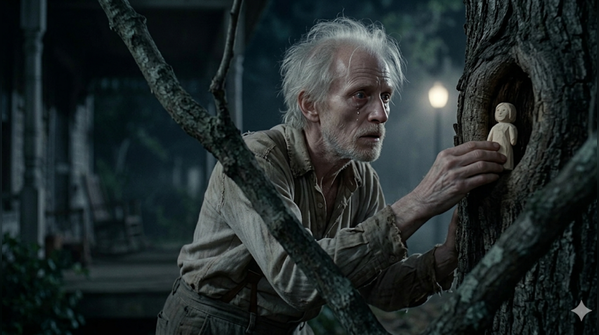
Boo Radley mystery unfolds
Scout, Jem, and Dill share whispers about Boo Radley, a recluse, and speculate that he is a ghoul. They challenge one another to look at Boo Radley's house and place their items in a knothole in a tree. Boo Radley sends them gifts, such as soap carvings and pennies. "Maycomb was an old town, but it was a tired old town when I first knew it," Scout reminisces.
Image: AI Generated
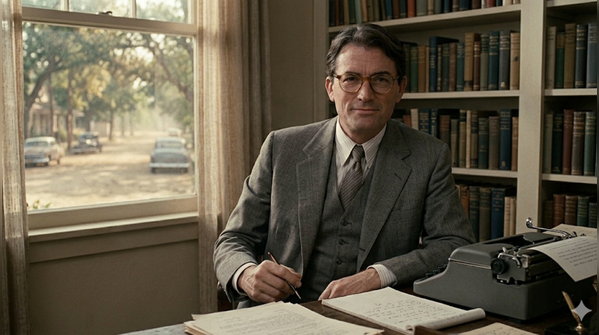
Atticus's mad dog moment
A rabid dog is wandering down the street, and it is foaming. Heck Tate, the sheriff, knows that Atticus is One-Shot Finch. He hands over the gun to Atticus. He kills the rabid dog in one shot. His kids are shocked. People say that he is the county's One-Shot Finch. "It was times like these that I thought my father... was the bravest man who ever lived." Strength is in quiet men.
Image: AI Generated
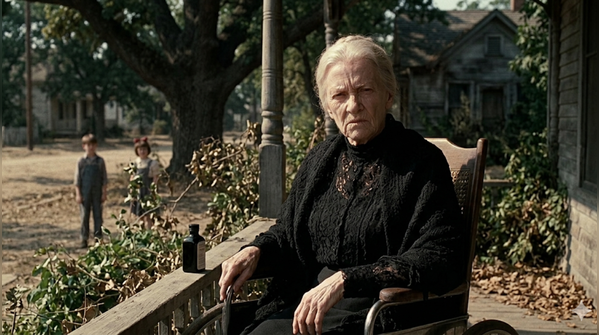
Mrs Dubose's fierce battle
Jem breaks Miss Dubose's camellia. She insults Atticus. Jem is asked to read to her. Jem sees the effects of morphine withdrawal. She is free in death and leaves a wilting flower. "It's when you know you're licked before you begin, but you begin anyway and see it through no matter what." Her struggle is the grit of life.
Image: AI Generated
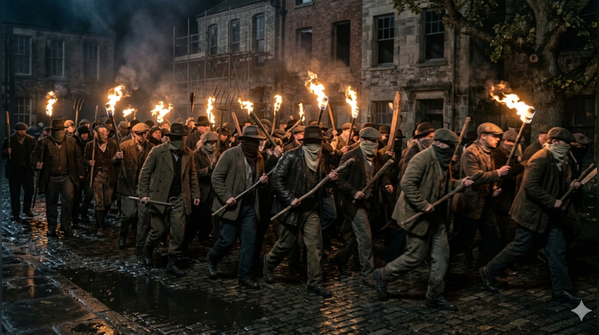
Tension builds among members of the lynch mob
A mob has gathered at the jail, and they want Tom Robinson. Meanwhile, Scout is chatting innocently with Mr Cunningham, and her childlike candour helps calm down the anger of the mob. Eventually, they slink away, feeling ashamed of themselves. Later on, Atticus praises her for her innocence: "Most people are, Scout, when you finally see them."
Image: AI Generated

Tom Robinson's unjust trial
In the courtroom, Atticus proves beyond a doubt that Tom was innocent of the crime he was accused of committing: "Mayella's daddy did it... Mayella got her comeuppance all right... This arm here was broken before Tom Robinson ever set foot in our neighbourhood... and he was crippled." However, the all-white jury still manages to convict Tom Robinson of the crime he did not commit. "The one thing that doesn't abide by majority rule is a person's conscience," Atticus states.
Image: Canva

Verdict shatters innocence
Jem cries at Tom’s death sentence, later killed while escaping. Atticus discovers Bob Ewell’s perjury but advocates forgiveness. Scout thinks about fairness in the face of applause for the guilty. The trial destroys their illusions about humanity. “As you grow older, you’ll see white men cheat black men every day,” Atticus cautions. The truth becomes distorted by prejudice.
Image: AI Generated
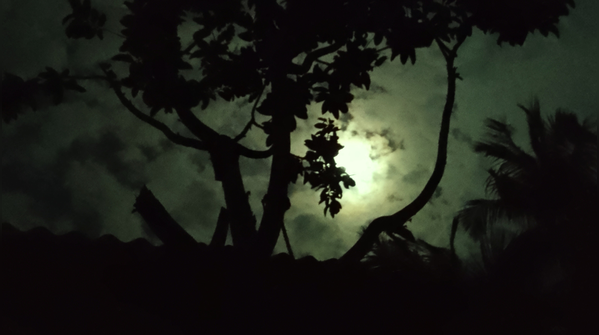
Halloween night terror
Scout and Jem, in their ham disguise, return home when Bob Ewell attacks, his knife flashing. Jem’s arm breaks, while Scout’s costume protects her. A figure rescues Jem from home, but Ewell dies from his own knife.
Image: Canva
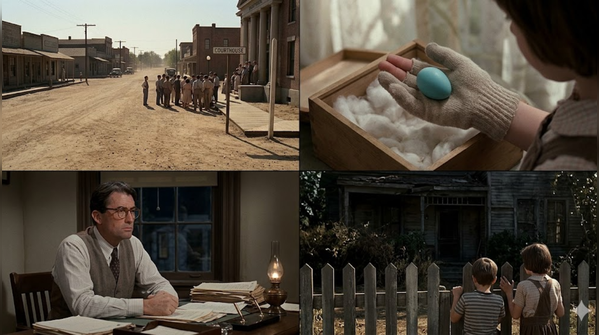
Boo’s heroic reveal
Sheriff Tate protects Boo, saying it was an accident. Atticus hesitates, but Scout nods in agreement. Boo’s a mockingbird, harmless. She accompanies him to the porch, realising his kindness. “Hey, Boo,” she whispers. Neighbours return what they stole in the form of kindness. Compassion heals wounds inflicted by ignorance.
Image: AI Generated
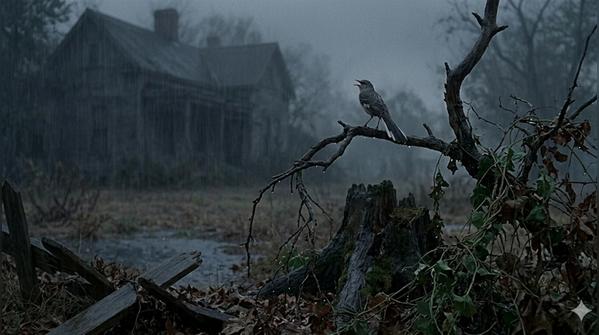
Mockingbird’s last song
Atticus reads to Jem, while Scout says goodbye to Boo. The sin was harming harmless people like Tom or Boo, “who don’t do one thing but sing their hearts out for us.” Scout goes to sleep, wiser. To Kill a Mockingbird endures as a tale of kindness over meanness.
Image: AI Generated
Featured In lifestyle

