Trending
Quote of the Day by Orhan Pamuk: "I feel that the place where you sleep or the place you share with your partner should be separate from..."
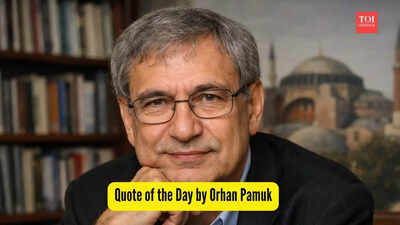

About the AuthorTOI Lifestyle Desk
End of Article
Follow Us On Social Media
Health +
Tired of too many ads?go ad free now
lifestyle videos
Featured In Lifestyle

Tired of too many ads?go ad free now



Hot on the Web
Disha PataniMalayalam Film IndustryHappy Lohri MessagesBigg Boss Marathi Contestants ListMika SinghLohri QuotesBaby Boy NamesSteamed Breakfast DishesMakar Sankranti WishesBhogi WishesParasakthi CollectionSaumya TandonDhurandharPlants That Brings Calm LuckHema MaliniHrithik RoshanIkkis Box Office CollectionPriyanka ChopraPlatoJana Nayagan MovieThe Raja Saab Box Office CollectionRapper FlipperachiMastii 4SivakarthikeyanTu Meri Main Tera Main Tera Tu MeriDhurandhar Movie CollectionHellen KellerParasakthi Movie CollectionDhurandhar Movie ReviewChef's Success StoryWilliam ShakespeareBirds Sleep With One Eye OpenDon't Throw Away Aquarium Water8th January In HistoryTiny Ancient CreatureLongest Venomous King CobraNorthern LightsRichest Men In The WorldApple iPhone 17Makar Sankranti 2026Lohri 2026
Trending Topics
Latest MoviesBollywood MoviesHollywood MoviesTamil Movies 2025Telugu Movies 2025Malayalam Movies 2025Kannada Movies 2025Marathi Movies 2025Bengali Movies 2025Top Rated Movies 2025Best Hindi MoviesBest English MoviesBest Telugu MoviesBest Tamil MoviesBest Malayalam MoviesBest Kannada MoviesBest Bengali MoviesUpcoming Hindi MoviesBest Movies Of All TimeBest Hindi Movies of All TimeLatest English MoviesLatest Malayalam MoviesEnglish TV NewsTamil TV NewsTelugu TV NewsMalayalam TV NewsKannada TV NewsMovie ReviewsBhojpuri Cinema NewsGujarati Cinema News
Popular Categories
Viral NewsK Pop NewsWeb Series NewsAnime NewsUpcoming English MoviesUpcoming Tamil MoviesUpcoming Telugu MoviesUpcoming Malayalam MoviesUpcoming Kannada MoviesFashion TipsTravel NewsEntertainment NewsBollywood NewsTollywood NewsKollywood NewsMollywood NewsFood NewsLatest Hindi MoviesLatest Tamil MoviesParenting TipsHome RemediesWeight LossBeauty TipsParenting TipsHindi VideosHindi Video SongsBhojpuri Music VideosLatest Telugu MoviesBhojpuri Music VideoHindi TV News
Latest News
Avoid 9am starts, play Vijay Hazare Trophy knockouts in D/N format: Mumbai captain Siddhesh LadTaurus Horoscope Tomorrow, January 14, 2026: The next chance won’t knock loudly, open before it doesHoroscope Tomorrow, January 14, 2026: Your zodiac insights await'You brought bar dancing to the stage' Deepali Sayyed gives a REALITY CHECK to Lavani dancer Radha Patil in Bigg Boss Marathi 6Neha Swami shares a heartfelt post as she misses her late father; pays tribute to himMajor crackdown: J&K LG Manoj Sinha sacks five govt employees over alleged terror links; 85 dismissed since 2021Virat Kohli vs Sachin Tendulkar: The ‘nervous’ 90s and the great ‘What If’Joao Lucas Reis Da Silva breaks barriers at Australian Open as first openly gay male playerUK student’s polite correction of ‘Sanatan Dharma’ pronunciation in class wins widespread praise online | Watch viral videoKuwait: Ministry of Finance to sell iPhones, iPads and more at sealed auction - Here’s how to bidLiterary festival closes on a thoughtful note, exploring identity, tolerance and Kolkata’s cultural soulVijay’s political hints at ‘Sarkar’ launch resurface amid film certification battle‘O’Romeo’: Hussain Ustara's daughter Sanober Shaikh slaps makers with Rs 2 crore notice and 7-day ultimatum - ReportsTax hike on tobacco unprecedented: Tobacco Boarc chairman Yashwanth Kumar Chidipothu‘Dhurandhar’ fame Sara Arjun says, “My initial plan was to pursue further studies but…” - ExclusiveDonald Trump makes a 'promise' to Americans on behalf of Microsoft; says: Microsoft will not…CMF Headphone Pro debuts with up to 100 hours battery life and 40dB noise cancelation at Rs 7,999J&K: Security forces launch search operations in Kathua; gunshots heard