- News
- lifestyle
- home-garden
- What is the best time to propagate snake plants from cutting
Trending
What is the best time to propagate snake plants from cutting

Image Credit: Canva
Best time to propagate
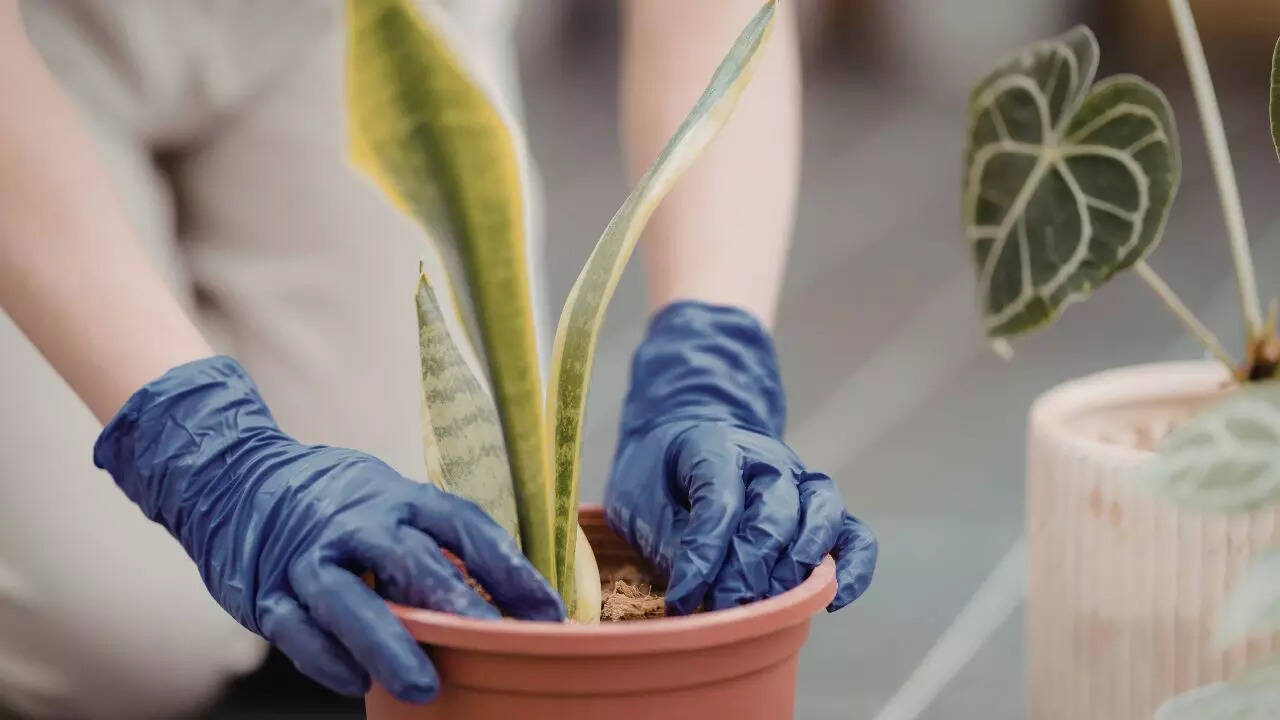
Image Credit: Canva
Why spring is better than winter
Propagation methods and timing

Image Credit: Canva
Tips for successful spring propagation
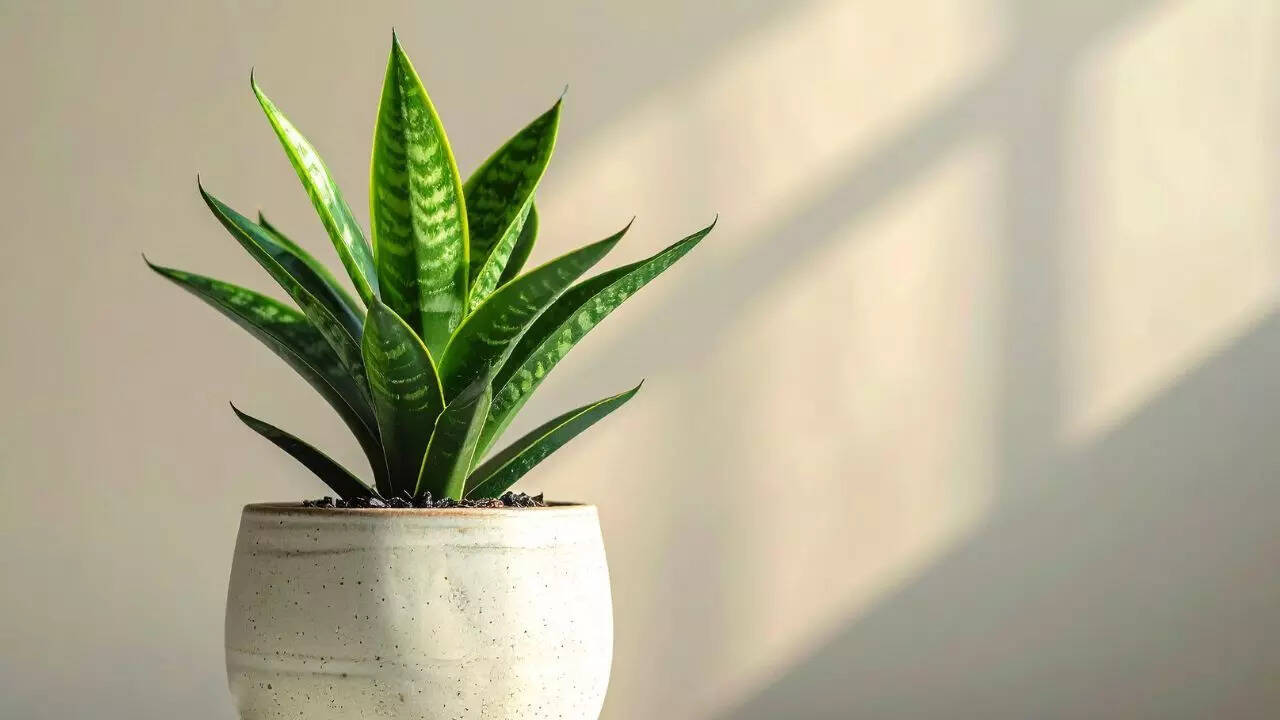
Image Credit: Canva

About the AuthorTOI Lifestyle Desk
End of Article
Follow Us On Social Media
Health +
Tired of too many ads?go ad free now
lifestyle videos
Featured In Lifestyle

Tired of too many ads?go ad free now



MORE FROM ETIMES
life & styleHot on the Web
Foreign Language SyndromeJana NayaganBaby Girl NamesThe Raja Saab Twitter ReviewThe Raja Saab ReviewJana NayaganDhanashree VermaBaby NamesLargest City Of IndiaPrince NarulaWilliam ShakespeareSanjeev KapoorIkkis Box Office CollectionThalapathy VijayJana Nayagan MovieKatrina KaifSreeleelaRailway Stations FoodsOptical illusionPriyanka ChopraStranger ThingsTu Meri Main Tera Main Tera Tu MeriEpicurusAvatar Box Office CollectionDhurandhar Movie CollectionPersonality TestEgg Boiling TipsDhurandhar Movie ReviewThe Raja Saab First ReviewMarine DriveWilliam ShakespeareBirds Sleep With One Eye OpenDon't Throw Away Aquarium Water8th January In HistoryTiny Ancient CreatureFlying SnakesWPL TeamsWorld Will Fall Into Darkness For 6 MinutesOrgans That Develop CancerNever Store Tomatoes In The FridgeBlack Holes Are Twisting The Universe
Trending Topics
Latest MoviesBollywood MoviesHollywood MoviesTamil Movies 2025Telugu Movies 2025Malayalam Movies 2025Kannada Movies 2025Marathi Movies 2025Bengali Movies 2025Top Rated Movies 2025Best Hindi MoviesBest English MoviesBest Telugu MoviesBest Tamil MoviesBest Malayalam MoviesBest Kannada MoviesBest Bengali MoviesUpcoming Hindi MoviesBest Movies Of All TimeBest Hindi Movies of All TimeLatest English MoviesLatest Malayalam MoviesEnglish TV NewsTamil TV NewsTelugu TV NewsMalayalam TV NewsKannada TV NewsMovie ReviewsBhojpuri Cinema NewsGujarati Cinema News
Popular Categories
Viral NewsK Pop NewsWeb Series NewsAnime NewsUpcoming English MoviesUpcoming Tamil MoviesUpcoming Telugu MoviesUpcoming Malayalam MoviesUpcoming Kannada MoviesFashion TipsTravel NewsEntertainment NewsBollywood NewsTollywood NewsKollywood NewsMollywood NewsFood NewsLatest Hindi MoviesLatest Tamil MoviesParenting TipsHome RemediesWeight LossBeauty TipsParenting TipsHindi VideosHindi Video SongsBhojpuri Music VideosLatest Telugu MoviesBhojpuri Music VideoHindi TV News
Latest News
Sophie Turner talks about potential return to ‘Game of Thrones’ sequel: ‘I think it would be hard but also amazing’Etihad Rail: UAE launches first passenger train network connecting Abu Dhabi, Dubai and FujairahZoho founder Sridhar Vembu ordered to post $1.7 billion bond in Divorce case by US court; Vembu’s counsel responds, says: Order 'invalid, cannot be complied with, and is ...'Who is Dr Aswin Paul? Everything about the Malayalam voice-over artist behind ‘Avatar: Fire and Ash' character SpiderHow a woman 'hid' Pakistani nationality to secure teaching job in UPWho is Subrahmanyan Chandrasekhar, the inspiration behind Elon Musk's son's name?Vivaan Shah wishes his 'Moliere' Farah Khan with throwback 'Happy New Year' picture with SRKAlan Cumming says he accidentally injured Pedro Pascal on sets of 'Avengers: Doomsday'Union Budget 2026: Building India’s financial security architectureCan feeding birds change your karmic cycle?Oscars 2025: India's 'Kantara Chapter 1' and 'Tanvi The Great' join eligible films for Best Picture race'Laalo' Hindi release: 50 lakh budget film to compete with Ranveer Singh led 'Dhurandhar' and Prabhas starrer 'The Raja Saab'Mahadev betting probe: ED attaches assets worth Rs 91.82 crore; bank balances, Dubai properties frozen'Jana Nayagan' wins legal battle as Madras HC slams CBFC delay ordering UA certificate to be granted to Vijay starrer immediately - Report‘Maa Inti Bangaaram’ teaser trailer: Samantha Ruth Prabhu flexes her action chops as 'perfect daughter-in-law' - WatchLand-for-jobs 'scam': Delhi court frames corruption, cheating charges against Lalu Yadav and familyRupee in red: Currency falls 7 paise in early trade; reaches 89.97 against US dollarLucknow school closure extended till January 10 amid cold wave and dense fog: Timings changed for senior students