
Hair fall won’t stop? These common Indian foods could be the real solution
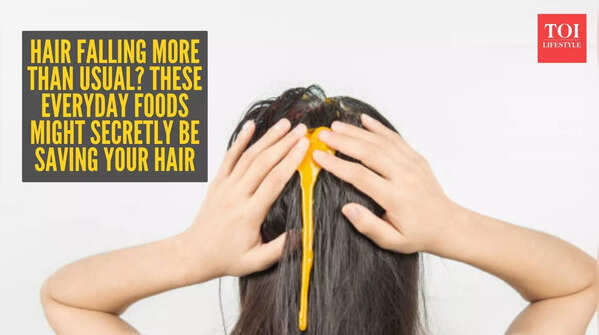
Hair falling more than usual? Your everyday Indian meals might be doing more for your hair than any expensive treatment
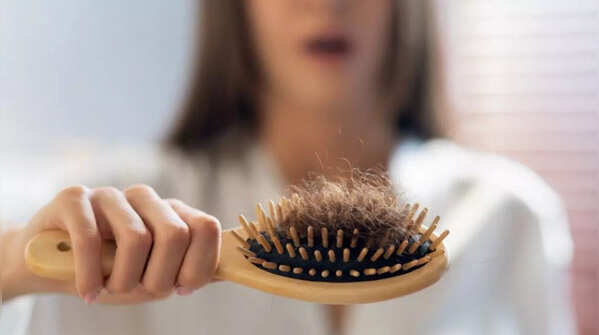
Hair fall rarely starts dramatically. It sneaks in. A few extra strands on the pillow. Hair clogging the shower drain. That moment when your parting looks slightly wider and you wonder, Was it always like this?
And then you realise - everyone around you is talking about it too. Friends, colleagues, even your salon stylist has a theory.
Honestly, it’s not shocking. Life feels faster now. Sleep is irregular, stress never really switches off, meals happen whenever there’s time, and pollution is just… everywhere. So the first instinct is to buy a new oil, try a viral serum, or order supplements that promise miracles.
But here’s the slightly unglamorous truth. Hair health usually begins long before any product touches your scalp. It starts with what’s on your plate.
Why hair fall suddenly feels like everyone’s problem
Hair fall rarely starts dramatically. It sneaks in. A few extra strands on the pillow. Hair clogging the shower drain. That moment when your parting looks slightly wider and you wonder, Was it always like this?
And then you realise - everyone around you is talking about it too. Friends, colleagues, even your salon stylist has a theory.
Honestly, it’s not shocking. Life feels faster now. Sleep is irregular, stress never really switches off, meals happen whenever there’s time, and pollution is just… everywhere. So the first instinct is to buy a new oil, try a viral serum, or order supplements that promise miracles.
But here’s the slightly unglamorous truth. Hair health usually begins long before any product touches your scalp. It starts with what’s on your plate.

Your hair cares more about food than fancy products
Hair is basically protein. But it also needs iron, vitamins, good fats, and minerals to grow properly. When the body runs low on these, hair is often the first thing to react. Growth slows. Strands feel thinner. Shedding increases.
The surprising part? You don’t need exotic superfoods flown in from somewhere abroad. A lot of what your hair needs already exists in everyday Indian cooking. We just don’t think of food as beauty care anymore.
Eggs - simple, boring, but incredibly effective
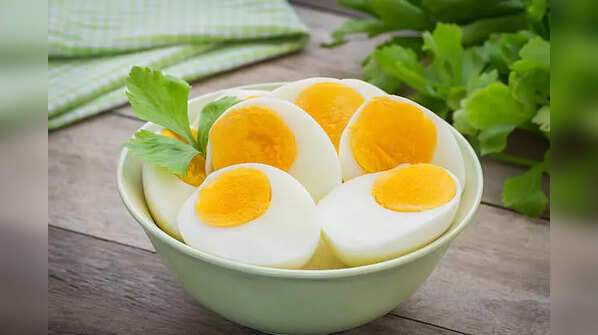
Ask any dermatologist about hair health and eggs usually come up within seconds. They’re packed with protein and biotin, both essential for strong hair.
Protein helps build keratin, the structure your hair is made of. Biotin supports healthier roots. Nothing dramatic happens overnight, but adding boiled eggs or an omelette to your routine a few times a week quietly helps over time.
And if you don’t eat eggs, paneer, tofu, dals, and chickpeas do a solid job too. Hair doesn’t really care where the protein comes from - it just needs enough of it.
The greens your mother insisted on eating
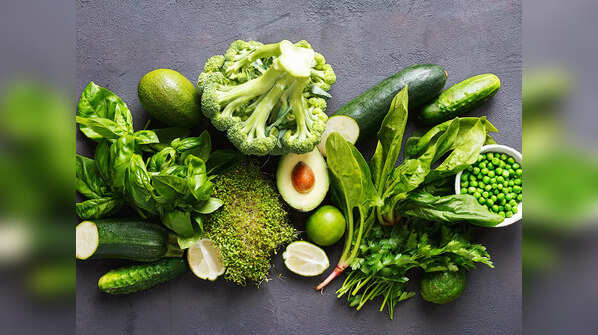
Green leafy vegetables don’t get much love in beauty conversations, but they probably should. Iron deficiency is one of the biggest reasons behind hair fall, especially for women.
Spinach, methi leaves, bathua - all those seasonal greens improve circulation and help oxygen reach hair follicles. A bowl of palak dal may not feel exciting, but your hair genuinely benefits from it.
Sometimes the least Instagrammable foods are doing the most work.
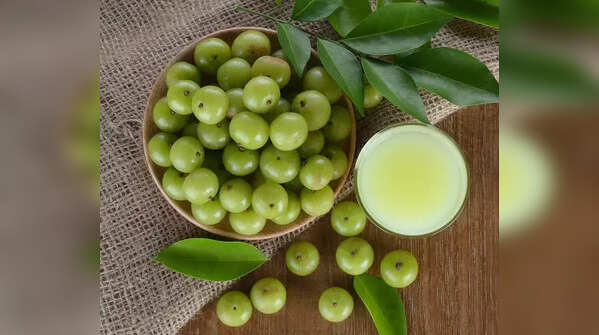
Amla wasn’t hyped for no reason
Long before supplements existed, people relied on amla. And there’s a reason it never disappeared from Indian households.
It’s rich in vitamin C and antioxidants, which support stronger follicles and a healthier scalp. Some people drink amla juice. Others prefer murabba or chutney. There’s no perfect method. Regularity matters more than perfection.
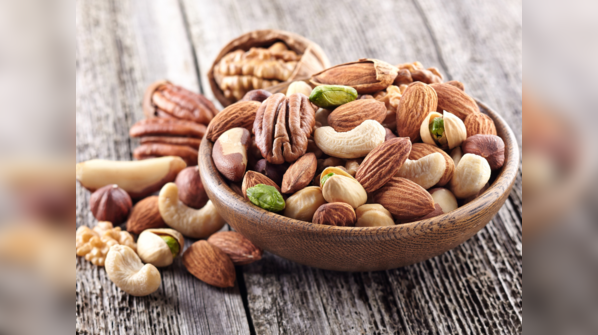
Small handful, big impact
Nuts and seeds are easy to ignore because they seem like snacks rather than nutrition. But almonds, walnuts, flaxseeds, and pumpkin seeds provide healthy fats and zinc - both important for reducing breakage.
A small handful daily is enough. No complicated routine required. Many people soak almonds overnight simply because they’re easier on digestion.
Little habits add up.
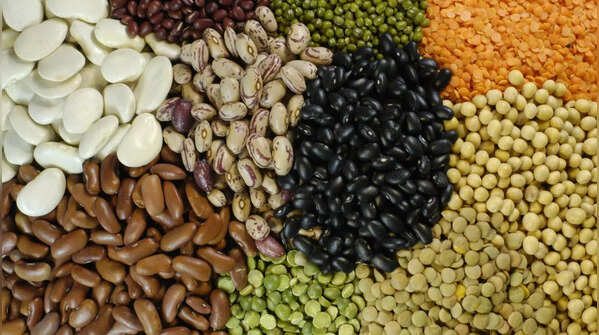
Dal might already be helping your hair
There’s something oddly comforting about this - the food many of us grew up eating is already supporting hair health.
Moong dal, masoor dal, chana dal, rajma - all rich in plant protein and minerals. While trendy diets sometimes push people away from traditional meals, regular dal consumption actually keeps nourishment steady.
Sometimes progress isn’t about adding new foods. It’s about not abandoning the old ones.
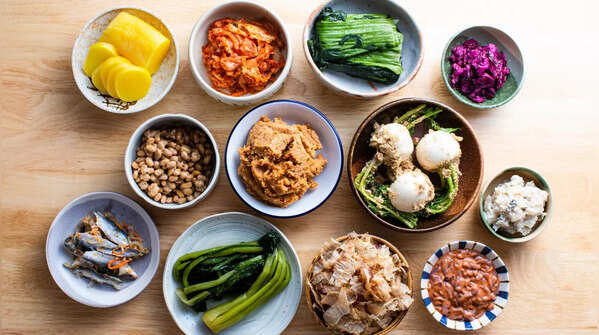
Your gut and your hair are more connected than you think
Hair health isn’t just about what you eat but what your body absorbs. That’s where digestion comes in.
Curd, buttermilk, and other fermented foods support gut health, helping the body use nutrients properly. When digestion improves, hair slowly starts responding too. Not instantly. But steadily.
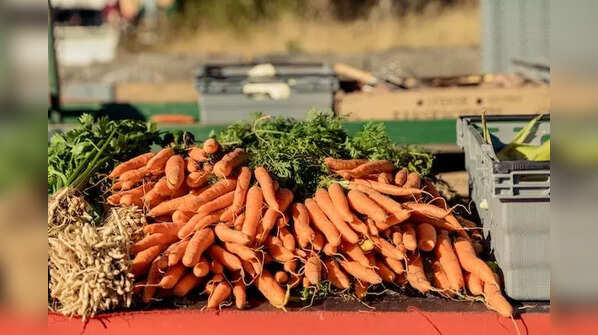
Why orange vegetables deserve attention
Carrots, pumpkin, sweet potatoes - those bright orange vegetables contain beta-carotene, which turns into vitamin A in the body. This helps maintain natural oils on the scalp and prevents dryness.
But balance matters. Too much vitamin A can actually trigger hair fall. Hair health is rarely about extremes.
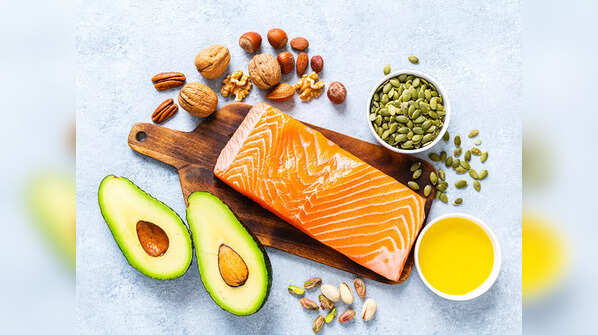
The fats your hair quietly needs
Healthy fats often get blamed unnecessarily, yet they play a huge role in hair quality. Omega-3 fatty acids nourish follicles and support fuller-looking hair.
Fish like salmon and mackerel help, but vegetarian options work just as well - flaxseeds, walnuts, chia seeds, even mustard oil. Many Indian diets unintentionally lack these fats, which can affect hair over time.
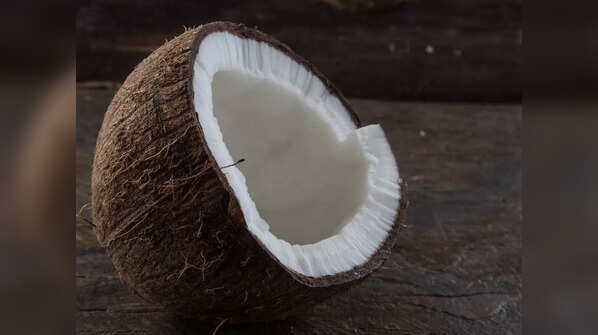
Why coconut never left Indian beauty culture
Coconut has stayed relevant for generations for a simple reason - it works. Fresh coconut, chutneys, or cooking with coconut oil provides nourishing fats that support scalp hydration from within.
Not every tradition survives without proof.
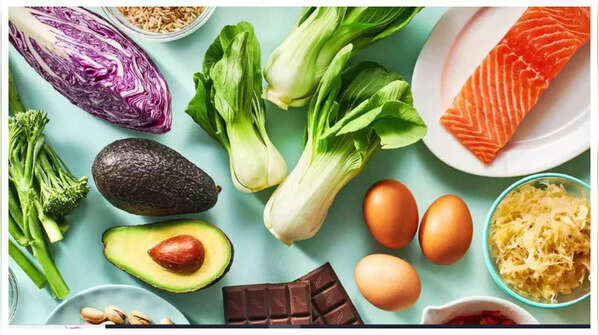
Tiny food swaps that quietly help
Even small changes can make a difference. Swapping refined sugar for jaggery adds iron and minerals while reducing inflammation linked to thinning hair.
Older households followed such habits naturally, without calling them wellness trends. Looking back, many of those routines were quietly supporting long-term health.
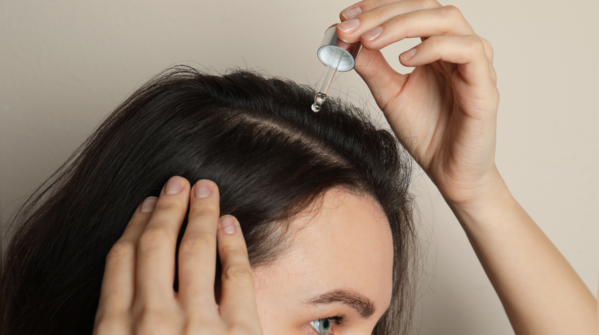
Hair care isn’t only about food
And yes, diet alone won’t fix everything. Hair reacts slowly, which means patience becomes part of the process.
Water intake matters. Sleep matters. Stress matters more than we like to admit. Extreme dieting, excessive heat styling, tight hairstyles, and constant chemical treatments can easily cancel out nutritional efforts.
Hair remembers how you treat it daily.
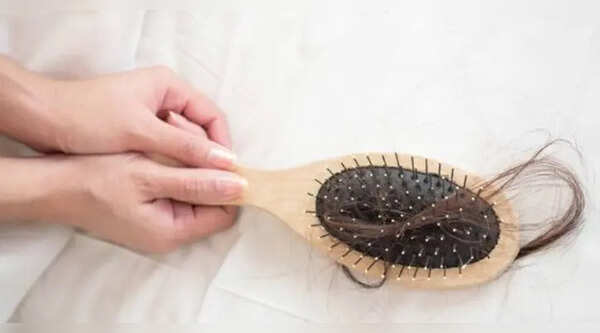
When you shouldn’t ignore hair fall
Sometimes hair loss isn’t just cosmetic. Sudden shedding can signal hormonal shifts, thyroid concerns, anaemia, or vitamin deficiencies.
If hair fall continues despite improving your diet, seeing a doctor or dermatologist is simply the sensible next step.
The honest truth about hair growth
There’s no miracle ingredient that stops hair fall overnight. Healthy hair builds slowly, through ordinary choices repeated every day.
And maybe that’s the comforting part. You don’t need expensive solutions or imported superfoods. Often, stronger hair begins with familiar home-cooked meals, balanced eating, and a bit of patience.
Not glamorous. But very real.
Featured In lifestyle

MORE FROM ETIMES
life & style