
Alopecia Areata: 5 surprising common habits triggering this hair loss condition
Everyday activities triggering alopecia areata
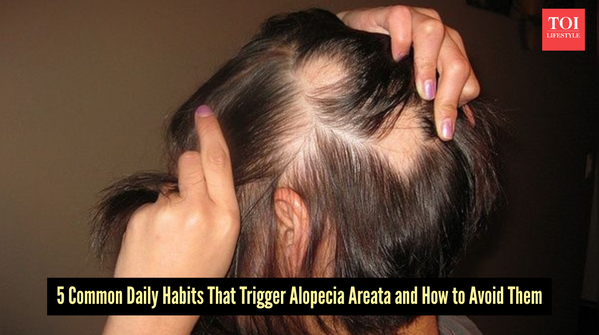
Alopecia areata is more than just sudden patchy hair loss; it is an autoimmune condition where our body unknowingly attacks our own hair follicles. Well, genetics does play a major role, but immunity is the main reason that can get better with everyday lifestyle changes and also can be triggered by some common habits that flare up or slow down the regrowth process. Let’s understand these trigger points and how to manage them.
Poor sleep cycle followed by stress
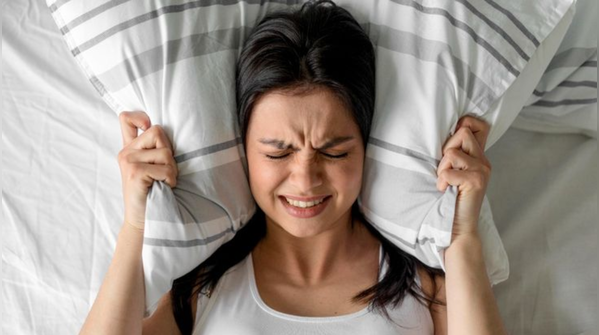
Stress is one of the most common triggers behind alopecia areata flare-ups. When our body is under constant stress, it instantly triggers the immune balance and accelerates the hair loss process. Poor sleep then worsens the condition by increasing inflammation issues, leading to a hormonal imbalance. So, start managing your stress with yoga or meditation and sleep for at least 7-8 hours. Also, avoid excessive screen consumption before going to bed.
(Image Credits: Pinterest)
Avoid tight hairstyles
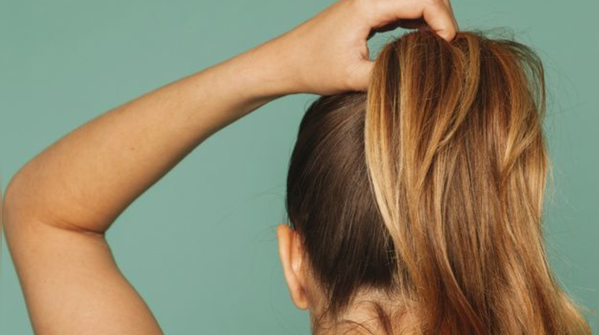
Do not go for tight hairstyles every day, like tight ponytails, braids, and buns, which strain the sensitive hair follicles. These are linked to traction alopecia, which worsens the existing alopecia areata patches. You can opt for loose and low-tension hairstyles, avoid repetitive pulling and styling of hair in the same area, and start using soft hair ties instead of rubber elastic bands.
(Image Credits: Pinterest)
Overuse of heat styling
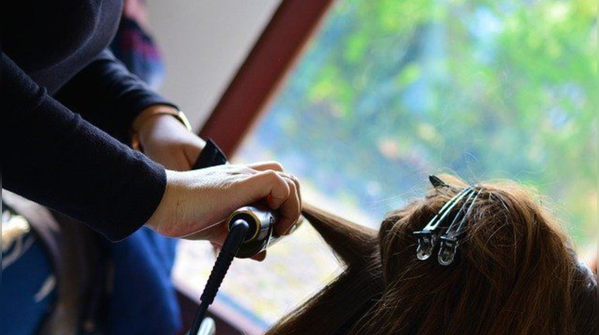
Stop using straighteners and curling irons, which weaken the hair shafts and irritate your scalp. If you’re having alopecia areata, then this constant application of heat can make the locks more fragile and prone to breakage. So, limit heat styling to only occasional use and apply a heat protectant. Try to embrace your natural locks and do air-drying if possible.
(Image Credits: Pinterest)

Stop using harsh hair products and chemical treatments
Hair treatments always come with harsh ingredients like sulphates, parabens, and strong fragrances, which can irritate the scalp and disrupt the natural barrier. Avoid going for treatments like perming, rebonding, permanent straightening, or excessive colouring, which can lead to intense inflammation. So, simply switch to gentle, sulphate-free shampoos, and avoid any frequent chemical treatment.
(Image Credits: Pinterest)

Poor diet routine
If you’re facing deficiencies in iron, vitamin D, zinc, and protein, then you’re bound to have hair loss issues. Well, deficiencies of these are not directly related to alopecia areata, but they surely can worsen the severity of your condition and next slow down the recovery process. So, start including protein-rich foods like eggs, lentils, and nuts in your routine, and ensure that you take iron and vitamin D every day.
(Image Credits: Pinterest)
Featured In lifestyle

MORE FROM ETIMES
life & style