
- News
- When the machine dreams, who owns the dream?
When the machine dreams, who owns the dream?
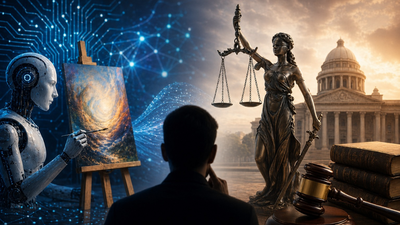
The Delhi High Court has prompted India's legal system to address the complex question of authorship when AI generates creative works
- If AI is merely a tool, authorship lies with the human operator.
- If AI is an independent creator, the law currently offers no recognition.
- Human intellect
- Creative intention
- Moral rights
- Who owns AI-generated content?
- Should originality remain tied exclusively to human creativity?
- Does denying protection discourage innovation or prevent monopolisation?
- Provide certainty to creators and developers
- Encourage innovation and investment
- Position India as a leader in emerging technology law

About the AuthorVivek Narayan Sharma
End of Article
Follow Us On Social Media
Hot Picks
Top Trending
Tired of too many ads?go ad free now
Trending Stories
In Section
Entire Website
- Assam HS Result 2026: AHSEC Assam Class 12 result 2026 to be declared shortly; check official websites, how to download marksheets at ahsec.assam.gov.in, asseb.in
- Board Exam Results 2026 Live Updates: Telangana, Andhra Pradesh, Assam and CISCE results expected within April; here are the dates
- Ahmedabad Municipal Corporation election result: BJP maintains lead in 63 seats, Congress ahead in 8 seats
- Doctors Say Watermelon Safe: KEM experts call fruit unlikely cause of deaths; urge no panic
- Bengaluru shocker: Women 'secretly filmed' on Namma Metro, clips shared on ‘Metro Chicks’ Instagram handle; HC fumes
- 'Unfair on her achievements': Internet fumes after Olympic medallist Manu Bhaker asked about Vaibhav Sooryavanshi
- CBSE Class 12 Result 2026 Live Updates: Expected release date, evaluation process, and official information on result declaration status
- Gujarat Election Results 2026 Live Updates: In south Gujarat, BJP sweeps all 24 seats in Gandevi municipality, wins key wards in Navsari; AAP opens account with wins in Bagsara, Halwad
- Assam HS result 2026: How to download AHSEC Class 12 scorecards from DigiLocker, UPOLOBDHA app
- ‘Best time to buy a gun… today’: Chilling online trail of suspect behind Trump dinner shooting
- Assam HS Result 2026: AHSEC Assam Class 12 result 2026 to be declared shortly; check official websites, how to download marksheets at ahsec.assam.gov.in, asseb.in
- Board Exam Results 2026 Live Updates: Telangana, Andhra Pradesh, Assam and CISCE results expected within April; here are the dates
- Ahmedabad Municipal Corporation election result: BJP maintains lead in 63 seats, Congress ahead in 8 seats
- Doctors Say Watermelon Safe: KEM experts call fruit unlikely cause of deaths; urge no panic
- Bengaluru shocker: Women 'secretly filmed' on Namma Metro, clips shared on ‘Metro Chicks’ Instagram handle; HC fumes
- 'Unfair on her achievements': Internet fumes after Olympic medallist Manu Bhaker asked about Vaibhav Sooryavanshi
- CBSE Class 12 Result 2026 Live Updates: Expected release date, evaluation process, and official information on result declaration status
- Gujarat Election Results 2026 Live Updates: In south Gujarat, BJP sweeps all 24 seats in Gandevi municipality, wins key wards in Navsari; AAP opens account with wins in Bagsara, Halwad
- Assam HS result 2026: How to download AHSEC Class 12 scorecards from DigiLocker, UPOLOBDHA app
- ‘Best time to buy a gun… today’: Chilling online trail of suspect behind Trump dinner shooting
Tired of too many ads?go ad free now



Explore Every Corner
Across The Globe
US Iran War NewsSensex TodayPM ModiElection 2026Gujarat Election ResultAP EAPCET hall ticketSurat Election ResultAjay Pal SharmaVadodara Election ResultIPL 2026 Points TableNashik Hospital IncidentMike VrabelIPL Purple CapAustin Reaves Injury UpdateBengaluru Employee Death NewsArvind KejriwalSerena WilliamsAuston MatthewsDawood IbrahimBengal Opinion pollsConnor McDavidCBSE 12th ResultNew England PatriotsAhmedabad Municipal Corporation electionTelangana Murder NewsLowest Score in IPL HistoryIPL Schedule 2026Mumbai Watermelon IncidentOrange Cap Holder in IPL 2026Board Exam Results

Hot on the Web
Farhan AkhtarGilbert StrangBharat Kapoor DeathShraddha Kapoor HouseSanjay DuttSundar PichaiShah Rukh KhanVaibhav SuryavanshiRajkummar RaoGhee Purity CheckKnowledge vs WisdomAmole GupteNitara KumarBhooth Bangla Box Office CollectionKavita PaudwalSundar Pichai QuoteJana NayaganAamir KhanLIK CollectionDacoit Box Office CollectionAntonio VicenteAshwin KaushalDhurandhar 2 Box Office CollectionBhooth Bangla Movie ReviewRishi KapoorCriminal Record Season 2 ReviewDhurandhar 2 ReviewDhurandhar 2 CollectionMovierulzHoroscope TodayToday Gold Rate in ChennaiDelhi Weather TodayDelhi AQI TodayMumbai AQI TodayMaharashtra Public Holidays 2026Elon Musk Vs Sam AltmanHamster Kombat Daily CodeKing Legacy CodesGenshin Impact CodesGarena Free Fire Max Redeem CodesMicrosoft Outlook Down
Trending Topics
Mumbai Bike AccidentGujarat Election ResultTCS Nashik CaseNamma MetroKarnataka High CourtAshu ReddyMumbai Station IncidentPunjab Railway Track BlastNoida TemperatureDelhi Student AccidentHimachal Pradesh WeatherStrait of HormuzLeT terrorist deadKing CharlesPM ModiMumbai Watermelon CaseMelania TrumpIran US conflictsRCB vs GTTop Stock Recommendations TodayRinku SinghAssam HS Class 12th Result 2026Krunal PandyaGold Prediction TodayShatabdi JunctionMadhya Pradesh AccidentMumbai MetroMamata BanerjeeSun PharmaShimla MurderSam AltmanSatya NadellaOpenAI TrialElon MuskSusan DellJohn TernusChip Price RisingDario AmodeiJeff BezosSridhar VembuBlue Lock Rivals Codes
Popular Categories
HeadlinesSports NewsBusiness NewsIndia NewsWorld NewsBollywood NewsHealth+ TipsIndian TV ShowsTechnologyTravelEtimesHealth & FitnessAstrologyInternational SportsDeorhiTechnology NewsAutoWeather TodayGold Rate Today DelhiSilver Rate TodayPlatinum Rate TodayIs Bank open todayVirat Kohli IPL StatsHardik Pandya IPL StatsBank HolidaysPublic HolidaysBank Holidays AprilPublic Holidays AprilWest Bengal Exit PollsAssam Exit Polls
Trending Videos
Diljit Dosanjh Returns to Jimmy Fallon, Teaches Bhangra, Takes Punjabi Culture Global Again'Brave, Heroic Iranian Resistance': Putin Openly Supports Iran Against Israel & U.S. | WATCHSalim Dola deported: Inside India’s big crackdown on D-Company’s global narcotics networkPM Narendra Modi’s Football Game In Gangtok Sparks Buzz Over Bengal Poll Message‘No Place For Double Standards’: Rajnath Singh Hails OP SINDOOR At SCO MeetVijay offers prayers at Tiruchendur Murugan TempleAamir Khan escorts mom at Junaid Khan’s film screeningKarisma Kapoor stuns at 51 at latest appearanceAtishi Hits Back At BJP: Rejects Rijiju’s Claims, Calls AAP a Fast-Growing Political ForceA glimpse into time at Naku Babu’s museum, where every corner holds a storyA century-old vinyl player, still spinning stories at the museumA vibrant evening of art and culture at Rabindra SarobarThe Truth About Black Magic : Can Someone Really Harm You Without Touching |Ft. Sushil Kumaar Singh Lahoma Bhattacharya’s birthday, a little older, a lot brighterA century-old toy, still holding a child’s wonder at the museumMadhuboni Chatterjee at an event, bringing effortless elegance100 year old lampBrief chaos at Dev’s campaign as two photographers fell while trying to capture him on stage
Latest News
Hazaribag man drowns while fishing in lake"Behen Darr Gayi!": Fans relive ‘Bhagam Bhag’ era after watching Akshay Kumar's 'Bhooth Bangla' trailerMBOSE HSLC result 2026 to release tomorrow: Check details hereIran war risk: JPMorgan CEO Jamie Dimon warns of oil shocks, sticky inflation and higher interest ratesMake your clutch last longer with these easy driving tips“Three-against-one situation”: El Rubius opens up on being “targeted” in MrBeast’s viral $1M challengeBihar BTSC lab assistant notification released for 1091 posts at btsc.bihar.gov.in; apply hereIPL craze costs techie Rs 1.46 lakh in fake RCB vs CSK ticket scamRaising “robot-proof” kids: Why creativity and curiosity matter more than everInside ‘Satguru Sharan’: Exploring Saif Ali Khan and Kareena Kapoor Khan’s Rs 100 crore Bandra homeHow selling Alaska in 1867 was a costly mistake for Russia'Hera Pheri 3 is coming': Paresh Rawal dismisses delay reports and reveals he will 'start shooting soon'US-Iran War: A daring rescue Hollywood blockbuster is on its way. Till then, pick your favourite from these 10 films on bringing someone home against all oddsKolkata team unveils fan mural at Rash Behari Avenue, celebrating city’s first loveHow US spread a lie to rescue a pilot of a jet shot down in IranNetflix unveils ‘VOID’, an AI model that can change a movie plotAI data centers are causing 'stress' not just to tech companies, but also private insurers"Trans women are.....": Clavicular’s viral moment with trans women sparks fresh conversation on internet culture
Copyright © 2026 Bennett, Coleman & Co. Ltd. All rights reserved. For reprint rights: Times Syndication Service