
When silence speaks volumes
Understanding cues without words is not possible for everyone. It requires what we now call Higher Order Thinking Skills (HOTS) — the ability to observe, infer, connect, and conclude. Stories we grew listening to, of kings and their wise companions — often speak of the ability of the latter to understand the silent conversations. In today’s episode, the author takes you through a few such stories, culminating in how Thiruvalluvar described the power of the unspoken.
Mar 28, 2026, 12:28 IST
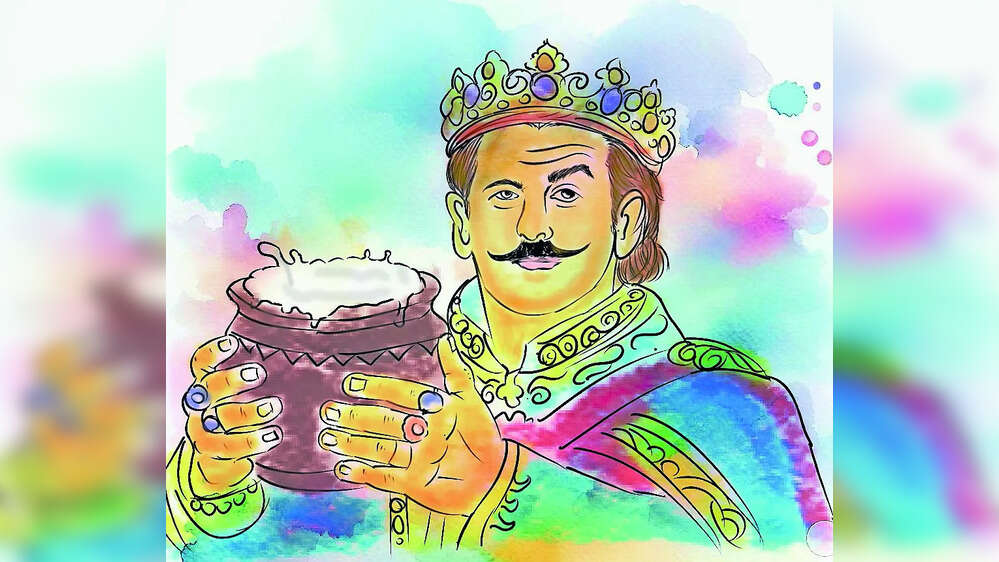
Thirukkural with the Times explores real-world lessons from the classic Tamil text ‘Thirukkural’. Written by Tamil poet and philosopher Thiruvalluvar, the Kural consists of 1,330 short couplets of seven words each. This text is divided into three books with teachings on virtue, wealth, and love and is considered one of the great works ever on ethics and morality. The Kural has influenced scholars and leaders across social, political, and philosophical spheres.Motivational speaker, author and diversity champion Bharathi Bhaskar explores the masterpiece.The art of taking cues is older than management schools, strategy books, perhaps even older than written language. Long before people spoke of communication skills, there were those who understood without words.There is a story about Krishnadevaraya and Appaji. The king and his minister were once roaming in disguise through the streets, wanting to understand how ordinary people lived. As they passed a small house, the aroma of boiling soup drifted into the street. The king slightly raised his eyebrow — just half a centimetre. No words were spoken. But Appaji understood.He said, “Oh King, the soup lacks salt; that is why the aroma is different. If a woman cooks without sensing the aroma, it means her husband is not at home. This street is not where traders live, so he has not gone for business. There are no wars now, so he has not gone for battle. It can only mean he has deserted his wife, and she lives in distress.”The king said nothing. He simply nodded.The next day, Appaji brought a man to the royal court — the husband who had abandoned his wife. With a stern warning from the minister, the man agreed to return home. The woman, unable to control her tears, thanked the king and wondered how he had understood her suffering. Appaji simply said, “The king knows everything and protects everyone.”The story may or may not be real, but its truth is undeniable. A leader is only as strong as the person who stands next to him and comprehends what he does not say.In modern organizations, we call this “alignment with the boss.” The greatest leaders in history often had an intuitive second-in-command who could read their minds, anticipate decisions, and act before instructions were given. It is a symbiotic partnership — silent, efficient, and powerful.Our history is full of such silent conversations.Between the 8th and 10th centuries, when Zoroastrians fled Persia (Iran) to escape persecution, they landed in Sanjan in Gujarat. Their leader, the grand old mother of the clan, wanted to seek permission from the local ruler, Jadi Rana, to settle in his land. She sent him a beautifully decorated vessel — empty.The king understood. He filled the vessel to the brim with milk and sent it back — a silent message that his land was already full and could not accommodate more people.The leader understood the cue. She added sugar to the milk and sent the vessel back again. The message was elegant and clear: “We will dissolve, and sweeten, like sugar in milk.”The king opened the gates, and that is how the Parsis came to India — through a conversation in symbols.Taking cues is the ability to see what others miss and what they do not say.Thiruvalluvar understood the importance of this long ago. In the chapter on understanding unspoken intentions, (Kuripparidhal) he writes in Kural 708:“Mugamnokki Nirkka Amayum; AgamnokkiUtradhu Unarvaar Perin.”If a leader is blessed with a person who understands his mind by reading his face, the leader needs to just give a look — everything else will be done.This is true not only in kingdoms and organizations, but also in relationships.
Explore Every Corner
Across The Globe
Israel Iran WarIPL Live ScoreIPL Points Table 2026IPL Orange CapIPL Schedule 2026Noida Airport InaugurationTiger Woods Car AccidentWWE Smackdown HighlightsDelhi School ResultMagic JohnsonBank of Baroda IBO Final ResultBengaluru Medical College ProfessorKP Sharma Oli ArrestMS DhoniH1B Lottery ResultsIPL Match Live StreamingPetrol Diesel Price TodayAndhra Pradesh Bike AccidentJewar AirportIPL Schedule 2026Rashee RiceUS Stock MarketIndia-US trade dealNoida International Airport InaugurationE-chequesNoelia CastilloPetrol PriceGold Rate TodayIPL 2026IPL 2026 Schedule

Hot on the Web
Akshay KumarDhurandhar 2 Box Office CollectionMaya Angelou QuoteRajpal YadavDanish PandorPatrick WinstonMukesh ChhabraSnake Hole vs Rodent HoleYami GautamAamir KhanDhurandhar 2 ReviewPanchhi 2 Movie ReviewUstaad Bhagat Singh CollectionShatrughan SinhaR MadhavanAmita Singh TomarMagnesium Deficiency SymptomsDhurandhar 2 CollectionLee Sang Bo DeathSaba AzadKaattaan Season 1 ReviewLate Bloomer Season 1 ReviewPuneeth Rajkumar HomeMovierulzAadu 3 Box Office CollectionHoroscope TodayVaranasiBrahmanandam HouseRamayana Ranbir Kapoor LookPeddi TeaserToday Gold Rate in ChennaiDelhi Weather TodayDelhi AQI TodayMumbai AQI TodayMaharashtra Public Holidays 2026Basketball Zero CodesJamie DimonHades 2Sam AltmanRedmi 15AMelinda French Gates
Trending Topics
Noida International AirportAlex VesiaJaney LeeJason HeywardElliotte FriedmanSherrone MooreBarret RobbinsIdris ElbaLionel MessiNick CassidyFernando MendozaDiego SanchezCarolina MarinKeith ThurmanSabrina CarpenterTravis HunterRashee RiceIce PoseidonAyesha CurryTravis KelceTravis HunterTiger WoodsJaylen BrownJustin BaldoniJoe RoganClavicularTom BradyCandace OwensGisele BndchenEmma BatesMark ZuckerbergPerplexity Ceo Aravind SrinivasOnePlus ShutdownElon MuskSocial Media Addiction TrialRoyal Enfield Guerrilla 450Jensen HuangRealme 16 5gScience NewsHow to watch ICC T20 World Cup 2026 in USAIPL 2026IPL Schedule 2026
Popular Categories
HeadlinesSports NewsBusiness NewsIndia NewsWorld NewsBollywood NewsHealth+ TipsIndian TV ShowsTechnologyTravelEtimesHealth & FitnessAstrologyInternational SportsDeorhiTechnology NewsAutoWeather TodayGold Rate Today DelhiSilver Rate TodayPlatinum Rate TodayIs Bank open todayVirat Kohli IPL StatsHardik Pandya IPL StatsBank HolidaysPublic HolidaysBank Holidays AprilPublic Holidays AprilAries HoroscopeGemini Horoscope
Latest News
IndiGo flight makes safe emergency landing at IGIA after engine failure'Yeh Rishta Kya Kehlata Hai' written update 27th March: Disha chooses family over AryanRockstar Games launches game tester recruitment in Bangalore: How to apply, where to register, and full Associate QA Tester detailsDelhi Police arrest 5 in Dubai-linked investment scam, Rs 12.22 lakh cheatedTamil Nadu elections: DMK protecting political analyst who insulted women, says PMK Anbumani RamadossCan heatwaves affect whether you have a boy or girl? Study explainsPSSSB recruitment 2026: Registration window opened for over 500 posts; check details here‘I will call you terrorist’: Bengaluru PES University professor abuses student in classroom, gets suspendedThree-word reply Mark Zuckerberg gave Elon Musk when he texted him to join fight against Sam Altman'Dhurandhar: The Revenge' box office collection Day 10 [LIVE]: Ranveer Singh film eyes Rs 800 crore net on second SaturdayRCB vs SRH IPL records: Head-to-head, pitch report, weather updateThe ‘weekend reset’ myth: Why 2 days off can’t fix 5 days of damage, and what actually worksEmotional resilience isn’t automatic: Here’s how parents can build itCanada’s C-12 legislation targets asylum system, but raises concerns for international students and workersJasmine Sandlas says THIS 'Dhurandhar: The Revenge' song was made at 4 am on the day of the album launchArijit Singh’s post-retirement release Tu Hi Disda marks first collab with Nikhita Gandhi'Islamic Nato' in motion? Pakistan hosts Turkey, Saudi, Egypt amid Iran warKuheli blurs the line between grief and guilt in a chilling murder drama
Copyright © 2026 Bennett, Coleman & Co. Ltd. All rights reserved. For reprint rights: Times Syndication Service