
- News
- India News
- Maoist big gun evaded law since bail in 1999
Trending

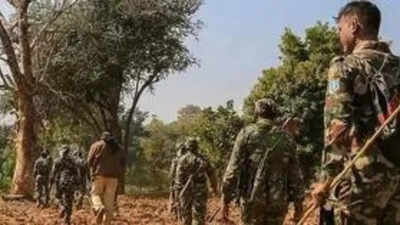
CPI(Maoist) central committee member Modem Balakrishna, who had been arrested thrice in the past, was killed in a counter-Naxal operation in Chhattisgarh. Balakrishna had been untraceable since his release on conditional bail in 1999, after which he resumed Maoist activities. He was in charge of the western bureau under the Odisha state committee at the time of his death.

About the Author
Bharti JainEnd of Article
Follow Us On Social Media










Photostories
Hot Picks
Top Trending
Explore Every Corner
Across The Globe
Dwyane Wade WifePakistan vs Oman Live ScorePatrick MahomesTaylor SwiftAsia Cup 2025 ScheduleSuper Bowl LIX lossWho is Matt RobinsonDonald TrumpCharlie Kirk suspectCharlie Kirk AssassinationWho is Alice PereiraCarolina PanthersCharlie KirkWho is Tyler RobinsonTom BradyCharlie Kirk ShootingTiana MangakahiaRussia crudeCharlie Kirk Shooting VideoCharlie Kirk Controversial ViewsCharlie Kirk TPUSA WatchlistITR PenaltyNepal ProtestUsha VanceJoe RoganTaylor SwiftGeorge AbaraonyeDelhi High Court Bomb ThreatIndia US TradeInfosys share buyback
Hot on the Web
Tamannaah BhatiaCharlie Kirk Net WorthSolar Eclipse 2025White vs Pink GuavaIdeal WeightBlocked Arteries SymptomsKarishma SharmaReduce CortisolShah Rukh KhanNano Banana TrendAR MurugadossNandita MahtaniChia Seeds For HairBlocked ArteriesBlood Pressure GuidelinesLarry EllisonProstate Cancer SymptomsHeart HealthMirai Twitter ReviewOvarian Cancer SymptomsBlood PressureParkinson DiseaseHeart Attack PreventionFatty Liver SymptomsAshneer GroverSaiyaara OTTBeautiful Aquarium FishThe Bengal Files Box Office CollectionParam Sundari Box Office CollectionBaaghi 4 Box Office CollectionDon't Use Public Hand DryersPink Guava Vs White GuavaCross River GorillaIdeal Weight For Your HeightBaking Soda Water For HealthTrick To Improve SleepThroat Cancer SymptomsNano Banana TrendYellow Stains On PillowsOvarian Cancer SymptomsTips To Keep Chapatis Soft
Trending Topics
Gracie Hunt Net Worth in 2025Charlie Kirk Shooting SuspectRussia Ukraine WarAsia Cup 2025Who is DiellaWho is Anastasia CaseyTyler Robinson DadCharlie Kirk NFL TributeUAE Residence VisaCharlie Kirk MurderUnited Airlines FlightCristiano RonaldoIIM Ahmedabad vs IIM BangaloreIIT Bombay vs IIT MadrasRajasthan Police Constable ExamIND vs PAK BoycottArun DhumalKerala NEET PG CounsellingCanadian PM Mark CarneyS Narayan Dowry HarassmentPriya KapurKarnataka EarthquakeCM SiddaramaiahAshish KapoorKolkata Student DeathRevanth ReddyUmar KhalidDelhi Bomb ThreatRussia crude importsTerry McLaurinShailene WoodleyAndy JassyiPhone 17Create AI Avatars OnlineSam AltmanSolar EclipseCharlie Kirk Shooting VideoSatya NadellaNano Banana AiTata Electronics Chip PlantWordle TodayNyt Connections
Popular Categories
HeadlinesSports NewsBusiness NewsIndia NewsWorld NewsBollywood NewsHealth+ TipsIndian TV ShowsTechnologyTravelEtimesHealth & FitnessDelhi Gold Rate TodayNumerology Number 1 HoroscopeChinese Horoscope PredictionsAstrologyWeather TodayPlatinum Rate TodaySilver Rate TodayGold Rate TodayIs Bank open todayIs Bank Open TomorrowBank Holidays in SeptemberPublic Holidays in SeptemberStock Market HolidaysNFL ScheduleTechnology NewsInternational SportsPublic HolidaysBank Holidays
Trending Videos
New Video Captures Suspected Charlie Kirk Shooter Limping Toward Campus Just Before Deadly AttackBrawl Erupts at Charlie Kirk Vigil After Heckler's Shocking Slur Sparks Crowd Chaos in Idaho'If Vote Chori...' Akhilesh Yadav Warns India May See Nepal-Like Protests If ‘Vote Theft’ ContinuesFormer RAW Agent Lucky Bisht’s 'Nepal Will Fall' Prediction Goes Viral Again Amid Deadly ViolencePrince Harry In Kyiv: Duke of Sussex Backs Recovery Of War-Injured Troops Of UkraineSitanshu Kotak press conference: On Sanju Samson position, no Arshdeep in XI, India v PakistanTrump ‘Directs’ G7 Nations To ‘Put High Tariffs’ On India & China For Buying Russian Oil | ReportPutin’s Fury To Hit Ukraine After Drone Attack Triggers Fire At Russian Port; Poland On Edge | WatchUAE Bans Israel From Dubai Expo As Qatar Attack Strains Ties Between Tel Aviv and Abu DhabiPutin’s Men ‘Trap’ Ukraine Army’s 47th Brigade In Forests At Sumy Front | ‘Costly Loss For Kyiv’Trump’s India Envoy Pick Eyes Modi-Xi ‘Break Up’; Reveals U.S.’ New Playbook At Hearing | WatchFBI CAPTURES Charlie Kirk Shooter; Trump Makes Big Announcement On LIVE TV | Suspect 22-Year-Old‘China Melted Indian Soldiers’: US Senator Tries To Create Modi-Xi Rift With Bizarre Claim | Watch‘We Have Him’: Trump Says Shooter Turned In By Family, FBI & Utah Gov. To Address NationSitanshu Kotak press conference: On Sanju Samson position, no Arshdeep in XI, India v PakistanRashmika Mandanna stuns fans at 'Demon Slayer: Infinity Castle' screeningHow Shubman Gill made young fans’ day | India arrive for Asia Cup practice before Pakistan clash‘You Can’t...': Furious Lula DARES Trump After Rubio 'Threats' Over Bolsonaro Conviction I Details
Latest News
Biochemist reveals 40-minute workout for busy professionals that can turn back agingSoha Ali Khan reveals Sharmila Tagore’s advice before her live-in relationship with Kunal Kemmu: 'Some men might delay marriage...''Kimetsu no Yaiba (Demon Slayer) Infinity Castle': Ufotable raises the bar and creates an anime saga“It’s always easier when you’re younger”: Usain Bolt reacts as Australian star Gout Gout breaks his record“You could have a quarterback damn near perfect…”: Micah Parsons warns Buffalo Bills that strong defense is key after Packers’ big winOdisha Developers’ Federation launched in Bhubaneswar, to promote sustainable development in real estateFour men held for looting Rs 30 lakh from Steel City businessmanHaryana, Punjab and Rajasthan will have to adopt Saraswati River model for flood control: Haryana Saraswati Board VCChilling! Discord & gun casings - How authorities confirmed Tyler Robinson as Charlie Kirk's killerRabid dog holds 85 kids ‘hostage’ on school campus in EtawahChatra man killed for practising 'black magic', six held'Deeply troubled': Trump targets Memphis for next federal crime crackdown; notes he would have preferred ChicagoBhubaneswar Municipal Corporation officials to visit Utkal University to make slum eviction planAnother militant attack: Palestinian hotel staffer stabs 2 guests in Jerusalem; Hamas praises assaultPakistan cricket legend Wasim Akram makes bold Asia Cup prediction: 'India look stronger but...'Ramgarh teenager loses Rs 30 lakh in online business, killed by father during argumentUkrainian President thanks Japan, UK for renewed sanctions against Russia'Wasn't Kash Patel born and raised Hindu?': FBI director slammed for his 'see you in Valhalla' message for Charlie Kirk
Copyright © 2025 Bennett, Coleman & Co. Ltd. All rights reserved. For reprint rights: Times Syndication Service