
- News
- India News
- Jawaharlal Nehru death anniversary: Ten defining moments of his political life in pics
Jawaharlal Nehru death anniversary: Ten defining moments of his political life in pics
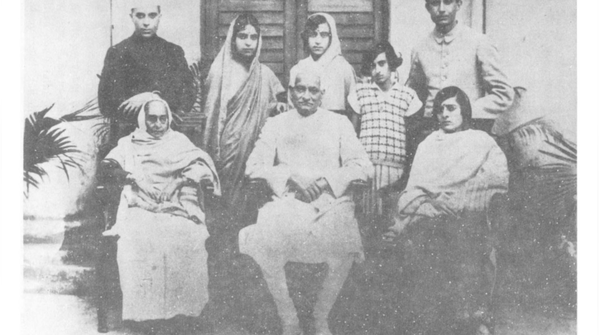
Young Nehru with his family
Jawaharlal Nehru was born on November 14, 1889, in Allahabad to Motilal Nehru, a prominent lawyer, and Swaruprani Thussu. He had two sisters, Vijaya Lakshmi Pandit and Krishna Hutheesing. The family lived in Anand Bhawan, a large estate in Allahabad that later became a national monument. (Photo Credit: The Nehru Archive)
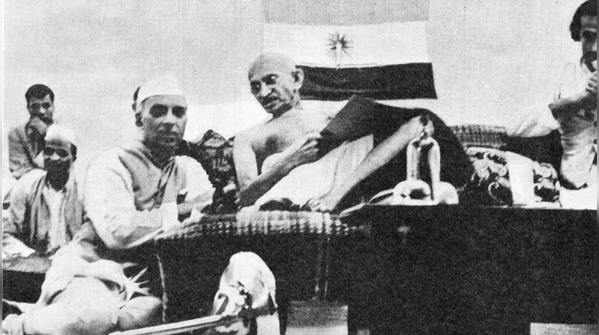
Nehru and Gandhi: Political bond that shaped modern India
Mahatma Gandhi became Nehru's political mentor, guiding him into mass civil disobedience movements, including the Non-Cooperation Movement of 1920 and the Salt March of 1930. (Photo Credit: The Nehru Archive )
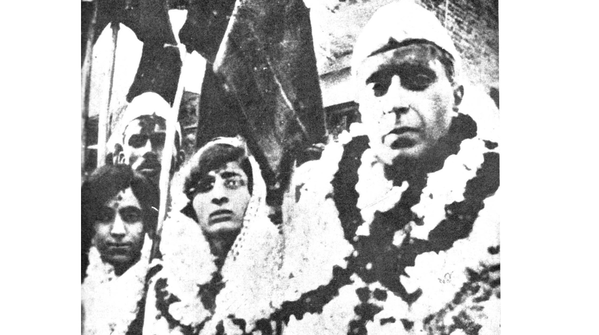
Salt Styagrah, Allahbad
Jawaharlal Nehru and his supporters had defied the British by producing around 2.75 grams of salt at the crossing of Hewitt Road and Crosthwaite Road. He was arrested and sentenced to six months of imprisonment. (Photo Credit: The Nehru Archive )
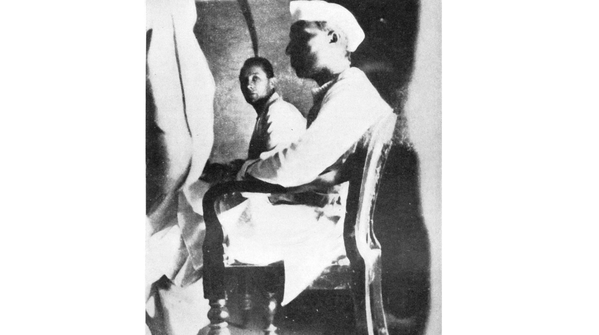
Nehru's Gorakhpur trial in November 1940
In 1940, Jawaharlal Nehru was arrested in Gorakhpur for delivering an anti-war speech opposing India's forced entry into World War II by the British government. He was tried and sentenced to four years of imprisonment, though he was released in 1941. This trial was part of his broader record of resistance against British rule, as he was imprisoned a total of nine times between 1921 and 1945. (Photo Credit: The Nehru Archive )
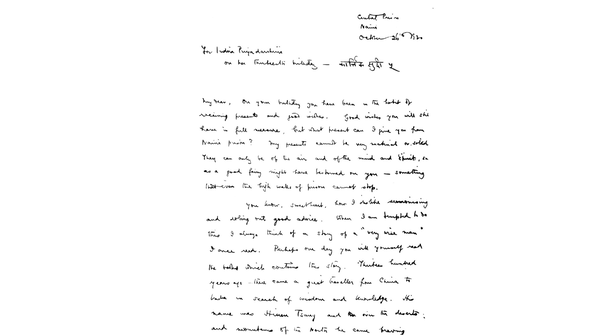
Photostat of first page of letters to Indira Nehru
Between 1930 and 1933, Jawaharlal Nehru wrote a series of letters to his daughter Indira Gandhi from prison. These letters were later compiled and published as Glimpses of World History in 1934. The collection contained 196 letters covering world history and civilizations, written when Indira was between 13 and 16 years old. (Photo Credit: The Nehru Archive)
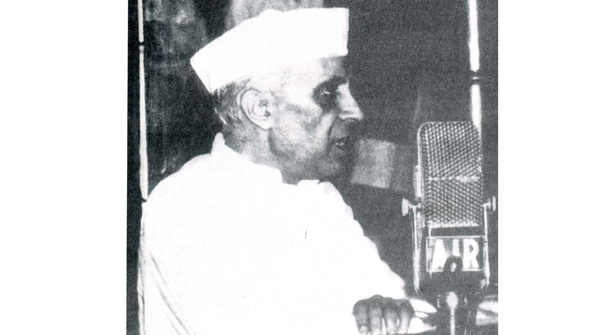
Tryst with destiny
Jawaharlal Nehru delivered the "Tryst with Destiny" speech on August 14, 1947, at the Constituent Assembly in New Delhi, hours before India's official independence at midnight. It was broadcast live on All India Radio. The speech marked the formal transfer of power from British to Indian hands. (Photo Credit: The Nehru Archive)
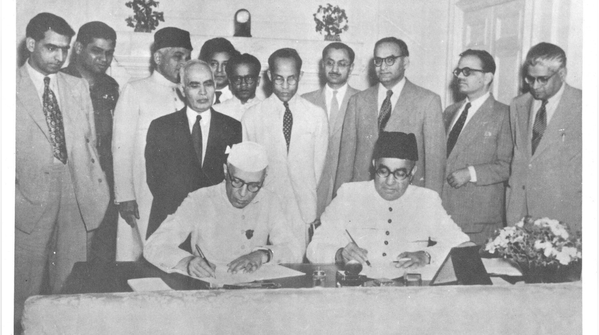
Signing the Indo-Pakistan Agreement
The Indo-Pakistan Agreement was signed on April 8, 1950, between Indian Prime Minister Jawaharlal Nehru and Pakistani Prime Minister Liaquat Ali Khan in New Delhi. The agreement addressed the treatment and rights of minorities in both countries following widespread communal violence after Partition. (Photo Credit: The Nehru Archive)
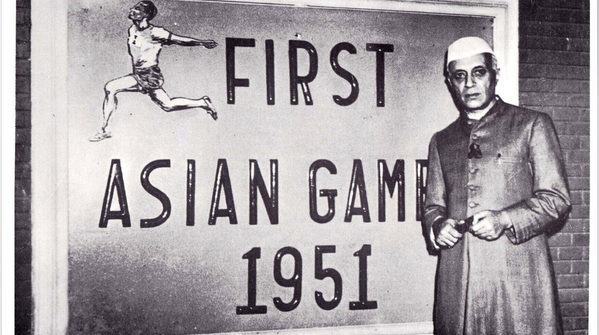
New Delhi Hosed the First Asian Games in 1951
The first Asian Games were held in New Delhi from March 4 to March 11, 1951, under Jawaharlal Nehru's government. Eleven nations participated, with India finishing first in the medal tally. The games were organized by the newly formed Asian Games Federation, with New Delhi selected as the inaugural host city. (Photo Credit: The Nehru Archive)
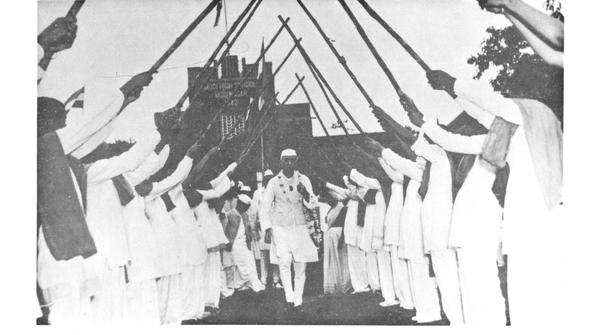
Zamindari Abolition Day
The zamindari system was abolished through state-level legislation beginning in 1951, following the First Amendment to the Indian Constitution under the leadership of Nehru. (Photo Credit: The Nehru Archive)
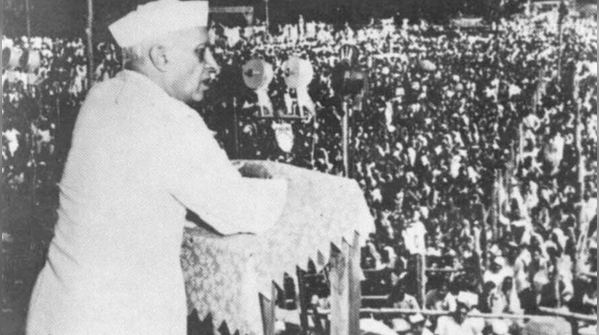
Inaugurating the state of Andhra Pradesh
At independence in 1947, British India comprised 562 princely states. Under Nehru's government, Home Minister Vallabhbhai Patel led the integration process. By 1950, nearly all states had acceded to the Indian Union. (Photo Credit: The Nehru Archive)
Featured In India

