
- News
- India News
- Internet ban ends in J&K as government decides against extending it
Trending
This story is from May 27, 2017
Internet ban ends in J&K as government decides against extending it
The month-long ban on social networking web sites in Jammu and Kashmir ended on Friday night. On April 26, the J&K government banned 22 social networking sites and applications saying they were being used to foment violence.
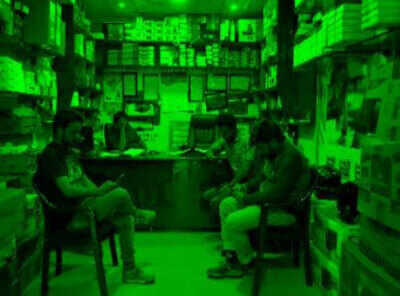
Shopkeepers in Kashmir checking their phone. (Photo: AFP)
On April 26, the Mehbooba Mufti government in J&K banned 22 social networking sites and applications, including Facebook, WhatsApp and Twitter. It said it was blocking these sites because they were allegedly being misused by anti-national and anti-social elements to foment violence.
The state has been plagued with violence for close to a year now, since the killing of terrorist Burhan Wani.

The Mufti government - which is in a coalition with the BJP in the state government - said in its internet-banning order that mischievous elements were exhorting people to violence and spreading hate via social networking sites.
"It was also observed during law and order disturbances of 2016 in the Kashmir valley that anti-national and subversive elements extensively misused social media sites and instant messaging services for vitiating peace and instigating violence, which caused large scale damage to life and property," the order said.
The state government's move was criticized by many, including the United Nations which said the ban had a "disproportionate impact on the fundamental rights of everyone in Kashmir" and also had the "character of collective punishment", Reuters reported in early May.
Such restrictions "fail to meet the standards required under international human rights law to limit freedom of expression," said the U.N. special rapporteur on freedom of opinion and expression, David Kaye.
End of Article
FOLLOW US ON SOCIAL MEDIA








Photostories

Hot Picks
TOP TRENDING
Popular Categories
Hot on the Web
Top Trends
AUS vs SL Live ScoreWomen T20 World Cup ScenarioHaryana Election Exit PollAmethi Murder CaseJ&K Election Exit Poll ResultIsrael Iran WarTravis KelceHulk HoganMohammad KaifUGC NET ResultNima Hospital Doctor MurderDiddyWomen's T20 World CupTop MBA Colleges of IndiaT20 WC ScheduleWomen T20 World Cup Points TableLive Cricket Score
Trending Topics
Bigg Boss 18 House PhotoNavratri Colours 2024Navratri Day 2 ColourTMKOC New SonuNaga ChaitanyaDevara CollectionGOAT OTT ReleaseRajinikanthDeepika PadukoneGovindaDevaraGovinda NewsDevara Movie ReviewHealthy RaitasSwatantrya Veer SavarkarColdplay India tour 2025Maa Durga 108 NamesNavratri JewellerySony Bravia 55 inch 4k Ultra HD TVWordle Answer
Living and entertainment
Latest News
Trump promotes fake JPMorgan endorsement, then denies involvement: 'I don't know'ICC Women’s T20 World Cup India schedule: Key players, where to watch, match details, and other information5 must follow rules of Ayurveda to lose 5kg in 30 daysBigg Boss Tamil 8: Sunitha Gogoi to dazzle with dance performance from Vijay’s film 'GOAT'IIT-JEE aspirant dies by suicide after jumping from 8th floor of high-rise in LucknowNFL has denied the 49ers appeal of changing their red home jerseys to white amid heatwave hitting the Santa Clara areaYeh Rishta Kya Kehlata Hai: Ruhi Discovers Abhira’s True Identity, Family Feud IntensifiesHaryana assembly elections: BJP MP Naveen Jindal reaches polling station on horseInd vs Ban T20I: New Gwalior stadium set to alternate hosting India matches with Indore says MPCA chiefVenus In Aries: What Does It Mean For Your RelationshipCR Park street food vendors gear up for Durga Puja rushMadhya Pradesh high court dismisses man's petition over 'objectionable' post on Lord Rama, HinduismAfter Defmation case, Nagarjuna to pursue another Rs 100 crore lawsuit against Konda SurekhaExclusive - Omung Kumar on Bigg Boss 18 house: My inspiration came from staying in cave hotels abroad, especially in Turkey, but this set reflects our India, with its carvings, sculptures5 Greatest matches of the “Phenomenal One” AJ Styles in WWE‘Hamas and Hezbollah part of global Left’: American philosopher Judith Butler's comment resurfaces on social mediaWhy walking for 40 minutes daily might be the best workout?IDF conducts military operation against Hezbollah in southern Lebanon; destroys tunnels, eliminates terrorists
Copyright © 2024 Bennett, Coleman & Co. Ltd. All rights reserved. For reprint rights: Times Syndication Service