
- News
- India News
- DPI to daily life: India's AI pitch goes beyond code
Trending
DPI to daily life: India's AI pitch goes beyond code
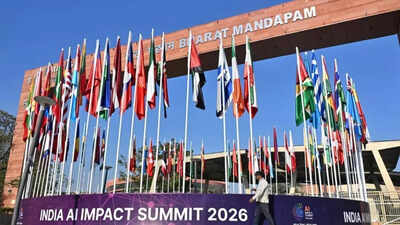
.

About the AuthorManash Pratim Gohain
End of Article
Follow Us On Social Media
Hot Picks
Top Trending
Tired of too many ads?go ad free now
Trending Stories
In India
Entire Website
- 'Mohabbat ki dukaan ka yoddha': Rahul Gandhi meets ‘Mohammad Deepak’, man who confronted Bajrang Dal members
- 'Leave Iran': India issues fresh warning to its nationals as tensions soar; citizens asked to exercise caution
- 326 days, harsh terrain, well-knit intelligence grid: How forces took down 7 terrorists in J&K's Kishtwar
- 'It’s Didi’s turn': Delhi CM Rekha Gupta targets Mamata in Bengal pitch
- ‘Mothers, sisters living in fear’: PM Modi writes to people of Bengal ahead of polls
- Tamil Nadu polls: Udhayanidhi Stalin’s ‘don't fear PM Modi or even his father’ remark sparks BJP backlash
- Shirtless AI Summit protest: Delhi police makes 5th arrest; nabs Youth Congress worker from Gwalior
- India unveils ‘MANAS 1’: AI trained on 60,000 hours of brainwaves aims to detect disorders early
- 'Axis of nations committed to stability': Netanyahu praises India ahead of PM Modi’s Israel visit
- 'Without Mamata di …': Mani Shankar Aiyar's advise to Rahul Gandhi on INDIA bloc leadership
- Connor McDavid Net Worth Projection: Oilers captain, wife may hit $42 million by 2026; business drives growth
- What is the IDFC First Bank Rs 590 crore fraud case? Explained - check top 10 points
- Mexico El Mencho Death News Live Updates: Mexico deploys air force as cartel weapons outgun local police in deadly raid
- 'Leave Iran': India issues fresh warning to its nationals as tensions soar; citizens asked to exercise caution
- 326 days, harsh terrain, well-knit intelligence grid: How forces took down 7 terrorists in J&K's Kishtwar
- 'Mohabbat ki dukaan ka yoddha': Rahul Gandhi meets ‘Mohammad Deepak’, man who confronted Bajrang Dal members
- Bengaluru horror: 19-year-old psychology student drugged, gang-raped by 2 inside villa
- Winners of Trump’s tariff defeat: India, China, Brazil
- ‘Time to pull our sleeves up’: India coach Ryan ten Doeschate hints at playing XI shake-up after Super 8 defeat
- 'They were drunk, started abusing us': Punches, kicks rain down on IAF jawan, his father in UP's Bulandshahr
Tired of too many ads?go ad free now



Explore Every Corner
Across The Globe
T20 World Cup Super 8 ScheduleMexico El MenchoKobe BryantEl Mencho KillTop Stock RecommendationsWest Indies vs Zimbabwe ScorecardMS DhoniAiden MarkramDavid MillerMonjurul IslamVaibhav SooryavanshiIndian Cricket TeamCBSE Class 10 English Question PaperCBSE Class 10 Science ExamTeam India Qualification ScenarioSunil GavaskarT20 World Cup Super 8 Points TableIDFC First Bank shareUPSC CSE ApplicationGold price predictionIDFC First Bank FraudIDFC Bank FraudR AswhinWinter Olympics 2026Bengaluru Woman AssaultMukul RoyAI Summit protestJacob BridgemanT20 World CupT20 World Cup 2026 Schedule
Hot on the Web
Rajpal YadavRashmika MandannaPlato QuoteAssi ReviewRashmika MandannaBafta Awards 2025 LiveDelhi MetroFunky OTT RelesaeAmitabh BachchanVijay Deverakonda HouseToxic TeaserThe 50 WinnerR MadhavanKiku ShardaHouse Of The Dragon 3 TeaserSalman KhanNeena Gupta'O'Romeo' Box Office CollectionFyodor Dostoevsky QuoteRashmika Mandanna HouseSocrates QuoteRaakshasaRanveer SinghImmanuel KantKuno National ParkEnid BlytonThe 50Horoscope TodayBorder 2 Movie ReviewTu Yaa Main Movie ReviewToday Gold Rate in ChennaiDelhi Weather TodayDelhi AQI TodayMumbai AQI TodayMaharashtra Public Holidays 2026Samsung Galaxy s26 UltraHardik Pandya Gifts DefenderSteve JobsApple March EventBill Gates Car CollectionGTA 6 Price
Trending Topics
WI vs ZIMENG vs SLMohammad YousufRyan TenWankhede Stadium StatsWI vs ZIM Match PreviewWest Indies vs Zimbabwe Live StreamingSikandar RazaDaren SammyKolkata airportTamil Nadu murderJahnavi DangetiPune murderMasoom SharmaMohan BhagwatBengaluru apartmentSouth Delhi newsOdisha soil extractionRajasthan jailDhaka operationsDelhi bomb threatBengaluru waste plantsMathura cyber fraudBengal molestationBengaluru–Chennai ExpresswayIllegal BangladeshiKirti PatelRoorkee murderDelhi stabbingCardiac screeningDND RoadworkTirumala PrasadamMukul RoySanjay ManjrekarKris SrikkanthCoal transport pollutionKalyan-Navi Mumbai connectivityLashkar-e-TaibaUlhasnagar general bodyHow to watch ICC T20 World Cup 2026 in USAHow to watch ICC T20 World Cup 2026 in CanadaHow to watch T20 World Cup online in India
Popular Categories
HeadlinesSports NewsBusiness NewsIndia NewsWorld NewsBollywood NewsHealth+ TipsIndian TV ShowsTechnologyTravelEtimesHealth & FitnessHow to watch T20 World Cup OnlineIndia vs Pakistan MatchAstrologyAutoWeather TodayGold Rate Today DelhiSilver Rate TodayPlatinum Rate TodayIs Bank open todayBank Holidays in February 2026Public Holidays in February 2026DeorhiTechnology NewsInternational SportsPublic HolidaysBank HolidaysT20 World Cup Squad IndiaT20 Wprld Cup Squad
Trending Videos
U.S. F-16 Patrol Upsets Xi As Chinese J-16 Scramble Over Korean PeninsulaPM Modi’s Sonar Bangla Pitch Frames Bengal Poll As Turning Point Between Decline And GrowthIndia fans in Ahmedabad react to loss vs South Africa | T20 World CupHyderabad: Temple Clash, Traffic Chaos Maoist Surrenders & MoreJaipur: Blankets, Cybercrime Push, Big Mobility Plan & MoreIndia Foils Major Terror Attack, Eight Suspects Arrested As ISI, Bangladesh Links Come Under ScannerIran Deploys Russian Surface-To-Air Missile Shield To Shoot Down American Jets, Missiles If AttackedPune: Supply Shut, Breathless Citizens, Crime & More'Northeast People Are Sh*t': Minor AC Dispute Turns Into Racial Abuse In South Delhi, FIR LodgedBangladesh Power Rift Explodes As President Shahabuddin Accuses Yunus Of Constitutional ViolationsAndrew’s Arrogant 4-Word Plea Revealed Amid EMBARRISSING Eviction From Royal LodgeBAFTA Moment Goes Global As Ukrainian Filmmaker Chernov Calls For PeaceKanpur: Suicide, Kidnap Foiled, Pet Abuse & MoreMrunal Thakur Makes A Stylish Appearance At Do Deewane Seher Mein Screening'No Chinese Toy!': Huge Labubu Effigy Torched At Russian Maslenitsa FestivalIndia Israel Ties Set For Strategic BoostAfter The Humiliation, Tough Questions For Team IndiaDhaka’s Power Battle: Tarique Rahman vs Jamaat-e-Islami Explained | Open Collar EP#9
Latest News
Acting changed me in ways I didn’t expect: Ranveer Brar“The man who moved mountains for love”: How Dashrath Manjhi carved an entire road with just a hammerTeaching in the age of short attention spansManners meet mindfulness: Raising respectful childrenStudent wing members form human chain to shield Muslim students offering namaz outside sealed mosque on Lucknow University campusBarun Sobti to headline queer love story in Onir’s LGBTQ+ film 'Tumhari Khushboo' - ReportsIDFC Bank appoints KPMG for forensic audit, says bank will continue to be profitable‘Subedaar’ UPDATE: New poster reveals gritty avatars of Anil Kapoor, Radhikka Madan and Mona SinghJNU’s UGC equity row: What really exploded on campus at midnight?The great biryani audit: UPI IDs, locker cash and ghost bills — anatomy of a multi-crore restaurant tax evasion probe'24 ghante kaam karta hai': Govind Namdev on Shah Rukh Khan’s relentless work ethic despite spinal health issuesProtection tips for pregnant women and infant against black magic and evil eyeManipur’s Boong wins BAFTA for best children’s & family film; govt hails it as a triumph of hopeAnupam Kher calls Sooraj Barjatya a ‘national treasure’ in heartfelt birthday noteMCL recruitment 2026: Notification released for 667 technical and non-technical posts, apply online March 16 onwardsAamir Khan and Arijit Singh’s ‘Ek Din’ song OUT: Actor requests singer to rethink his decision in this BTS Murshidabad visit 'Greatest gift for me': Zareen Khan cancels Islamic birthday celebrations, asks for prayers as her mother is hospitalizedTop military posts in Bangladesh Army reshuffled; defence adviser in India promoted to major general
Copyright © 2026 Bennett, Coleman & Co. Ltd. All rights reserved. For reprint rights: Times Syndication Service