
- News
- lifestyle
- health-fitness
- health-news
- World lung cancer day 2025: Oncologist debunks 6 common myths around lung cancer
World lung cancer day 2025: Oncologist debunks 6 common myths around lung cancer

World Lung cancer day is observed on August 1
World Lung Cancer Day, observed on August 1st, is a chance to shine a light on one of the deadliest yet most misunderstood cancers. Many people still believe it only affects smokers or the elderly, but that's far from the truth. Lung cancer can impact anyone—young or old, smoker or not. That’s why debunking common myths is so important. False beliefs can delay diagnosis, prevent people from getting screened, or create fear around treatment. The more we talk about the real facts, the better chance we have at catching it early and saving lives. Awareness really can make a difference.

Lung cancer comes only to those who smoke cigarettes
Although tobacco is the predominant causative factor for lung cancer, it is not the only cause. The rising air pollution levels, second hand smoke, exposure to asbestos and other poisonous gases like Radon also can potentially lead to lung cancer.
E-Cigarettes / Cigars / Low tar cigarettes do not lead to lung cancer
There is no evidence that any one type of cigarette is more or less harmful than another type of cigarette. The increased risk of lung cancer is absolute with all forms of tobacco.
Lung cancer does not happen in youngsters / women
Lung cancer can affect people of all ages and sex including younger individuals. Although the incidence of lung cancer is higher in men and in, people above 65 years of age, genetic factors and environmental hazards can increase the risk in younger people.
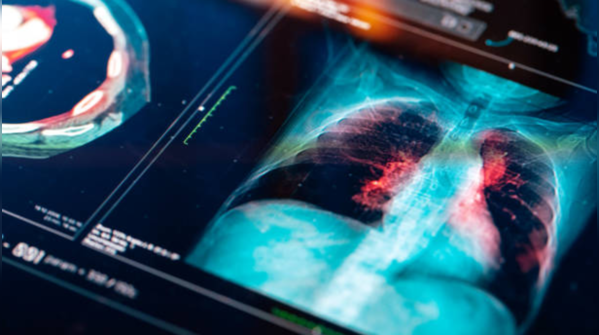
There is no screening test for lung cancer
Low dose Chest CT scan for individuals with a significant history of exposure to tobacco between the ages of 55 to 74, has been validated as a screening tool for early diagnosis of lung cancer.
Treatment of Lung cancer is toxic and worse than the disease itself
With advances in precision medicine, we now know that lung cancer is not a single disease. Driver mutations may be identified in nearly 30 % of all patients and these patients can be treated with targeted therapies, which target only the cancerous cells and spare the normal cells. So even elderly frail patients with these driver mutations can potentially be treated without the debilitating side effects of chemotherapy.
Advanced treatment options for lung cancer are very expensive
All approved Immunotherapy and targeted therapy molecules are currently available in most of the cancer centres across major cities in India. There are also patient assistance programs for many immunotherapy molecules, which have significantly improved patient access.
Dr. N Aditya Murali, MBBS, MD (Internal Medicine), DNB (Medical Oncology), DM (Medical Oncology), MRCP (Medical Oncology), Senior Consultant, Apollo Hospitals, Bengaluru
Featured In lifestyle

