
- News
- lifestyle
- health-fitness
- health-news
- Kidney cancer: Can your lifestyle choices raise the risk? Doctor explains
Kidney cancer: Can your lifestyle choices raise the risk? Doctor explains
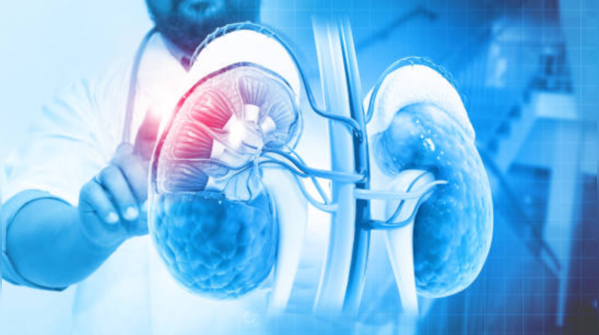
Kidney cancer cases are increasing
Kidney cancer is one of the less frequently heard-about cancers, but its worldwide incidence is increasing. The lesser-known aspect is that lifestyle factors can have a considerable impact on your risk of developing kidney cancer. Though there is a genetic and age factor involved, increasing evidence exists to support that numerous modifiable factors also contribute. As nephrologists, we tend to emphasize the maintenance of kidney function, but it is also crucial to create awareness about avoiding serious diseases like kidney cancer by making well-informed lifestyle choices.
Smoking: A major culprit
Smoking tobacco is one of the most strongly linked risk factors for kidney cancer, particularly renal cell carcinoma—the most prevalent type. Carcinogens in cigarette smoke are absorbed into the bloodstream and filtered by the kidneys, causing the kidneys to be repeatedly subjected to toxic chemicals. Research indicates that smokers are 50% more likely to get kidney cancer than non-smokers. Stopping smoking isn't only good for your heart and lungs—it's crucial for your kidneys as well.
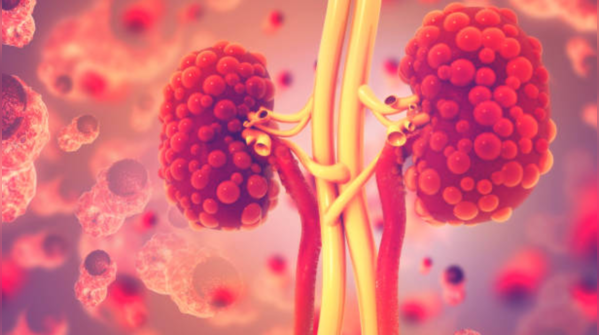
Obesity and poor diet
Obesity or being overweight increases the risk of kidney cancer very greatly. Excess weight may cause hormonal disorders, with elevated insulin and insulin-like growth factor levels, promoting tumour development. Diet rich in processed foods, red meats, and refined carbohydrates also adds to metabolic stress and inflammation, causing strain to the kidneys and putting cancer at risk. Conversely, a well-balanced diet full of fruits, vegetables, whole grains, and lean proteins will assist with proper kidney function overall and decrease risk.
High blood pressure (Hypertension)
Chronic high blood pressure not only harms blood vessels—but also has a higher risk of causing kidney damage and cancer. Uncontrolled hypertension can even change kidney cell DNA and weaken immune surveillance processes. Sadly, many patients are still not diagnosed or poorly controlled, foregoing a chance to forestall this risk. Ongoing monitoring and treatment of blood pressure is an important preventive measure.

Long-term use of painkillers
Excessive or chronic use of over-the-counter pain medications—particularly non-steroidal anti-inflammatory drugs (NSAIDs)—has been connected with both kidney injury and increased risk of kidney cancer. The medications decrease blood flow to the kidneys and have the potential to lead to chronic interstitial nephritis, which may evolve into cancer in the long term. Always take medications responsibly and under medical supervision.
Occupational and environmental exposures
Contact with some industrial solvents such as trichloroethylene (used in metal cleaning) is associated with kidney cancer. Also, exposure to water, long-term exposure to herbicides, or cadmium heavy metals can be a threat. If your workplace or living area includes exposure to these agents, be careful and get routine health examinations.
Yes, your personal habits can directly affect your susceptibility to developing kidney cancer
Happily, most of these are under your control. Stopping smoking, being at a healthy weight, controlling blood pressure, staying off unnecessary medication, and limiting exposure to toxic chemicals can do much to safeguard your kidneys.
If there is a family history of cancer or kidney disease, or if you come into contact with any of these risk factors, discuss screening and prevention with your doctor. Your kidneys are quietly working hard—make decisions that will be good for them in the long run.
Dr Pushpinder Gulia, Director of Surgical Oncology and Robotic Oncosurgery, CK Birla Hospital, Gurugram
Featured In lifestyle

