
- News
- Health News
- What happens to your body when muscle mass starts declining after 35?
What happens to your body when muscle mass starts declining after 35?

Muscle mass declines after 35. Here's what happens next
Growing older is associated with wrinkles, greying hair, and slower recovery after a long day. But there is another change that begins quietly, often without drawing much attention: the gradual loss of muscle mass.
Many people believe muscle loss is a problem that only affects the elderly. In reality, the process starts much earlier. According to the US National Institutes of Health (NIH), adults begin losing muscle mass from around the age of 30, with an estimated decline of 3-5% per decade if preventive steps are not taken. Over time, this loss can progress into a condition known as sarcopenia, which affects strength, mobility, and overall health.
The concern goes beyond looking less toned in the mirror. Muscles are deeply connected to how the heart pumps blood, how the body burns calories, how the lungs support breathing, and even how efficiently the kidneys function. When muscle mass shrinks, the effects can ripple through the entire body.
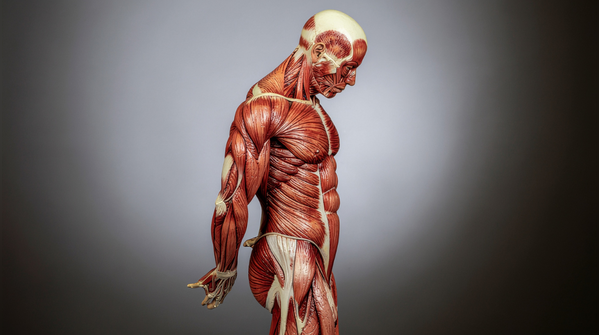
Muscle less is not just about weakness
Muscles are often viewed as tools that help people lift weights, climb stairs, or carry groceries. In reality, they are metabolically active tissues that play a vital role in keeping the body functioning efficiently.
Dr Bhanu Mishra, Consultant Nephrologist at Fortis Hospital, Shalimar Bagh, explained, "Starting from age 35, muscle mass decreases in many individuals if there is no strength training, protein intake, and exercise involved. Besides muscle weakness, this condition also negatively impacts other vital organs, including the liver, kidneys, heart, and lungs."
One reason this happens is that ageing gradually reduces the body's ability to build new muscle proteins. Physical inactivity, long hours of sitting, hormonal changes, poor sleep, and inadequate nutrition can speed up the process.
The result is often subtle at first. Carrying shopping bags feels harder. Climbing stairs causes more fatigue. Recovery from illness or injury takes longer. Many people blame stress or ageing itself, without realizing that muscle loss may be a major contributor.
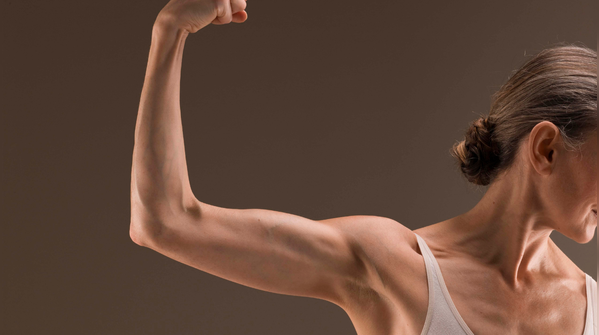
Why your heart starts working harder
Most people rarely connect muscles with heart health. However, skeletal muscles act as an important support system for circulation.
Dr Mishra said, "Since muscles play an important role in supporting blood circulation, a decrease in their mass makes the heart work much harder. Muscles facilitate circulation, ensuring that enough oxygen is delivered to all parts of the body. Therefore, a reduction in muscular mass results in a sedentary lifestyle, poor physical fitness, and a slow metabolism. This condition can cause high blood pressure, heart disease, weakness, and decreased endurance."
Think of muscles as assistants helping move blood back toward the heart. When muscle tissue declines, circulation becomes less efficient and physical activity often drops. This creates a cycle where people move less, lose more muscle, and become increasingly vulnerable to cardiovascular problems.
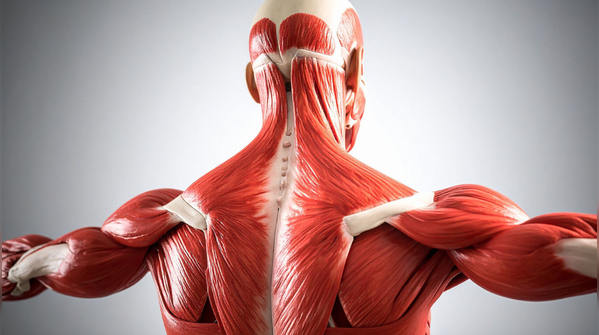
The metabolism slowdown nobody talks about
One of the biggest consequences of muscle loss happens behind the scenes.
Muscle tissue burns energy even when the body is at rest. The more muscle a person has, the more calories the body naturally uses throughout the day.
Dr Mishra explained, "Muscle tissues participate actively in burning glucose and fat molecules. Hence, a decrease in muscle mass leads to a slow metabolism that contributes to the accumulation of fat cells in the body. An excessive amount of fat can be accumulated in the liver, which causes Nonalcoholic Fatty Liver Disease."
This helps explain why many adults notice weight gain around the waist despite eating similar amounts of food as they did in their twenties.
The issue is not simply fat gain. Less muscle means poorer blood sugar control and reduced metabolic flexibility. Over time, this can increase the risk of insulin resistance, fatty liver disease, and other chronic health conditions.
In many ways, muscle functions like a metabolic engine. When that engine becomes smaller, the body's energy management system becomes less efficient.

How the kidneys and lungs feel the effects
The impact of muscle loss extends far beyond movement and metabolism.
According to Dr Mishra, "Indirectly, the kidneys would be impacted by changes in muscles since muscles help in managing protein balance and metabolism. Reduced muscles may affect one's resilience when recovering from any diseases. Muscular wasting among elderly individuals may cause muscle weakness and poor body condition that would put their kidney functionality under great pressure."
This becomes particularly important during illness, surgery, or hospitalization. People with greater muscle reserves often recover faster because their bodies have more resources to draw upon during physical stress.
Breathing can also become more difficult as muscle strength declines.
Dr Mishra noted, "Respiration is facilitated through breathing which involves the use of muscles such as the diaphragm and chest muscles. As muscles get weaker, people are likely to have problems with respiration. Shortness of breath becomes easy, and exhaustion occurs much faster."
Many people are surprised to learn that breathing depends on muscle strength. Every breath requires coordination between the diaphragm, chest wall, and supporting muscles. When these weaken, daily activities can become more tiring.

Protecting your muscle mass after 35
The encouraging news is that muscle loss is not inevitable. While some age-related decline occurs naturally, research consistently shows that strength training and adequate nutrition can slow the process significantly.
Dr Mishra recommended, "After 35, maintain muscle mass by doing regular strength training 2–4 times weekly, eating enough protein (about 1.2–2.0 g/kg body weight), sleeping 7–9 hours, staying active daily, and managing stress. Prioritize progressive overload, recovery, hydration, and regular health checkups to support hormones and overall fitness."
What makes this advice powerful is its simplicity. Muscle preservation does not require becoming a bodybuilder.
A few sessions of resistance training each week, whether using weights, resistance bands, or bodyweight exercises, can make a meaningful difference. Walking more, taking stairs, improving sleep quality, and eating protein-rich foods throughout the day also help support muscle maintenance.
Studies have shown that resistance training can improve muscle mass and strength even in adults well into their 80s, demonstrating that it is never too late to start building strength.

Medical experts consulted
This article includes expert inputs shared with TOI Health by:
Dr Bhanu Mishra, Consultant - Nephrologist, Fortis Hospital, Shalimar Bagh.
Inputs were used to explain how age-related muscle loss can affect the body's strength, metabolism, heart, lungs, liver, and kidneys, and what lifestyle measures can help preserve muscle mass and overall health after the age of 35.
Featured In Health

