
- News
- Health News
- Most people get this wrong about BP checks: Here’s what a doctor says
Most people get this wrong about BP checks: Here’s what a doctor says
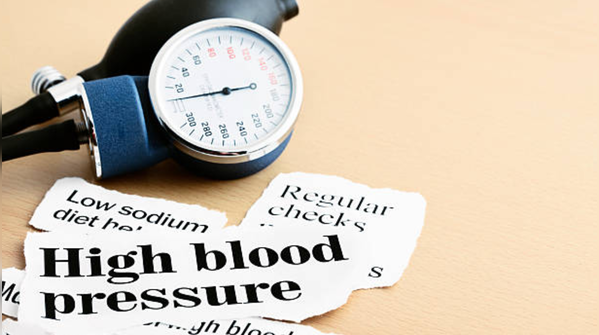
Why keeping an eye on your blood pressure matters more than you think
Blood pressure is one of those things most people don’t really think about, until something goes wrong. And that’s exactly the problem. It doesn’t usually come with loud warning signs. No obvious symptoms, no clear signal that something’s off. You could be going about your day, feeling completely fine, and still have readings that are quietly creeping up.
And while checking your blood pressure sounds simple enough, doing it right, and knowing what the numbers actually mean, is where most people get confused. From how often you should be checking it, to whether home monitors can be trusted, there’s a lot of mixed information out there.
In this conversation with TOI Health, Prof. Dr. S M Fayaz, Lead & Senior Consultant - Internal Medicine, breaks down the basics in a way that actually makes sense. From when to start paying attention to your readings to the small mistakes that can throw them off, he explains what people often miss, and why it matters more than they think.
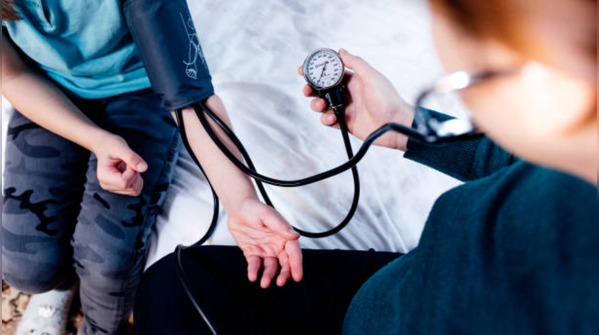
How often should a healthy adult ideally check their blood pressure?
Prof. Dr. S M Fayaz: A healthy and relatively young adult person (e.g., 20-30 years old) with no risk factors should get a blood pressure screen at a minimum of every six to 12 months as part of his/her regular health check up. If there are any identified risk factors, such as having a family history of developing hypertension, obesity, diabetes, or being sedentary, these people should check their blood pressure more often; ideally, every three to six months. Regular blood pressure monitoring is crucial for the early detection of hypertension as well as preventing complications.
Kidney health and hydration: Why ‘just drink more fluid’ isn’t the full story
Untreated gallstones can quickly turn life-threatening for diabetics, warns doctor
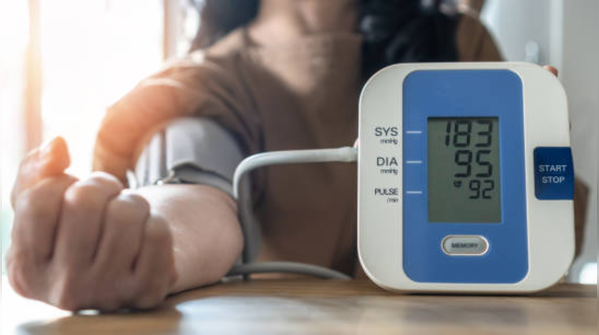
Why do many people discover high BP only when it’s already advanced?
Prof. Dr. S M Fayaz: High blood pressure, often called the 'silent killer,' typically does not display any noticeable or apparent signs or symptoms until it has developed to such a degree that it is quickly determinable. Most people with elevated blood pressure feel perfectly normal. Even if they have an elevation in their blood pressure, they generally do not develop any symptoms (such as headache, dizziness, or chest pain) until their blood pressure has reached an extremely elevated level, or until they develop serious complications due to the effects of their high blood pressure. Because there are generally no early warning signs, most people are unaware that they have elevated (i.e., high) blood pressure until they are identified by routine screening/blood pressure measurement or when evaluating for another unrelated health issue.

Are home BP monitors reliable, and what mistakes should people avoid while using them?
Prof. Dr. S M Fayaz: Home blood pressure (BP) monitors are often considered reliable when they are properly used and clinically validated. However, there are several common errors that may cause someone using a home blood pressure monitor to get an inaccurate reading. Examples of these mistakes include:
Using the incorrect cuff size
Not allowing for an appropriate amount of time after exercising or consuming caffeine/smoking before measuring BP
Having poor posture
Incorrect body positioning (i.e., no back support/legs crossed) during measurement
Not resting for at least five minutes prior to taking BP measurement
Talking during the measurement
To obtain an accurate measurement, BP measurements should be taken in a very calm environment, at roughly the same time each day, and with proper arm position at heart level.
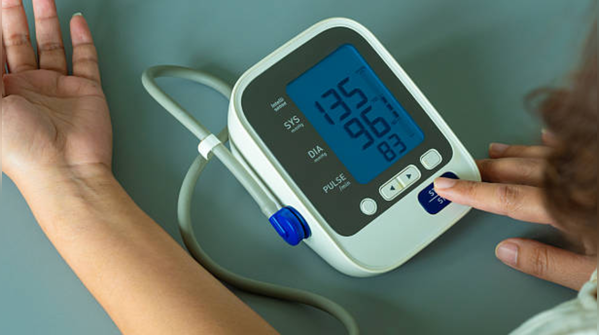
What is the right way to track BP readings over time for meaningful insights?
Prof. Dr. S M Fayaz: In order to accurately track blood pressure, consistency is important. Here are some recommendations for successful blood pressure tracking:
Take blood pressure readings at the same time each day; if your provider recommends taking your blood pressure twice per day (e.g., take BP reading in the AM, BP reading in the PM)
When taking blood pressure within a single session, complete two blood pressure readings and calculate the average
Keep a log (either digital or paper) which includes: Date, Time, Any additional relevant information (e.g., Stress, Medication, Exercise) and have your physician interpret this log
Trend analysis over an extended period is much more informative than a single blood pressure result.
At what point should someone seek medical advice based on their readings?
Prof. Dr. S M Fayaz: Medical advice should be sought if:
Blood pressure reading of greater than 140 mmHg (systolic) and greater than 90 mmHg (diastolic) in majority of the readings.
Symptoms of headaches, chest pain, shortness of breath, or visual disturbances
It is important to see a physician as soon as possible because they will be able to start a treatment plan (either by changing lifestyle or prescribing medication) and help to prevent serious diseases such as heart disease, stroke, or kidney failure.
Featured In Health

