
- News
- Health News
- Kidney health and hydration: Why ‘just drink more fluid’ isn’t the full story
Kidney health and hydration: Why ‘just drink more fluid’ isn’t the full story

Why hydration matters more than we think
Most of us don’t think twice about how much water we drink in a day. Maybe a few glasses here and there, some tea or coffee, and it feels like enough. But the truth is, our kidneys are quietly depending on that balance far more than we realise. These two small organs filter around 50 gallons of blood every single day, removing waste, extra salts, and toxins through urine.
But here’s where it gets tricky. Even mild dehydration can start to affect how efficiently the kidneys do their job. When fluid intake drops, blood flow to the kidneys slows down, making it harder for them to filter waste smoothly. Over time, this doesn’t just mean feeling a bit tired or getting a headache. It can increase the risk of kidney stones, urinary tract infections, and in some cases, even long-term kidney damage, especially in people who already have conditions like diabetes or high blood pressure.
And it’s not always obvious. The early signs are easy to ignore. Slight fatigue, darker urine, feeling thirsty more often, it doesn’t always feel serious enough to act on. So people carry on, assuming it’s normal.
At the same time, there’s also confusion around “how much is too much.” While most healthy kidneys can handle a good amount of water, overdoing it in a short span can actually dilute sodium levels in the blood, leading to a condition called hyponatremia.
So it’s not about drinking as much water as possible. It’s about getting the balance right. TOI Health connected with Dr. Manoj Arora, Senior Director, Nephrology & Kidney Transplant, Max Hospital, Shalimar Bagh regarding balanced hydration and kidney health.

How does hydration actually affect kidney function?
Dr. Manoj Arora: The way our kidneys work will depend in part upon how well or poorly hydrated we are, as this directly affects the efficiency with which our bodies process and eliminate waste, including excess salts and other substances through urine. Proper hydration is also important for ensuring that the kidneys are able to properly maintain the balance of electrolytes in the blood, as well as prevent urinary tract infections and kidney stones due to concentrated urine.
Doctor recommends top 10 medical tests you shouldn’t skip post-40
When our bodies are adequately hydrated, the flow of blood to our kidneys remains stable, thus allowing them to filter the blood efficiently. On the contrary, if we do not have enough fluid to drink, the flow of blood to our kidneys diminishes considerably, which decreases the efficiency of filtering fluids through the kidneys as well as increases the burden placed on them.

Can drinking too much water ever be harmful?
Dr. Manoj Arora: It is not common to consume too much water, however, when done in excess or in a relatively short period of time, it may result in water intoxication, known medically as hyponatremia. Symptoms of excessive water consumption can include headache, nausea, confusion, and potentially, even seizures. Although most healthy kidneys can process and expel a very large amount of water from the body in any given 24 hour period, they do have limitations.. The key is balance, hydration should match your body’s needs, activity level, and climate conditions rather than following extreme “more is better” advice.

Are there signs that someone isn't drinking enough for kidney health?
Dr. Manoj Arora: The body usually gives subtle early signals. Persistent thirst, dark yellow urine, reduced urine output, dry mouth, fatigue, and occasional dizziness may indicate inadequate hydration.
From a kidney health perspective, consistently concentrated urine places extra stress on the filtration system. Over time, this can increase the likelihood of stone formation and may worsen pre-existing kidney conditions.
Monitoring urine color is a simple practical guide, pale straw-colored urine generally indicates adequate hydration.
Why naps sometimes make you feel worse: The science of sleep inertia and how to nap the right way
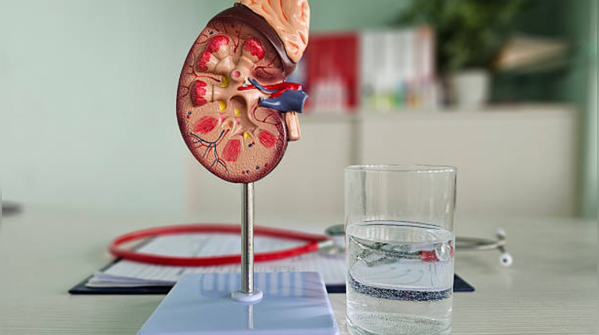
How do other beverages like tea, coffee, or soda affect hydration?
Dr. Manoj Arora: Habitual drinkers of tea or coffee will have both tea and coffee contributing to their total fluid intake so moderate amounts shouldn't cause any de-hydration to them but it can still be taken as part of their usual drinking behaviours.
On the other hand, sugary soft drinks are less than ideal. The high sugar content may contribute to the development of metabolic problems and lead to an increase in the potential for kidney disease in the long run. Furthermore, beverages with a high phosphate level (found in colas to name one of the more frequently used types of soft drinks) have also been associated with harmful effects on the kidneys when consumed on a frequent basis.
Water remains the most effective and kidney-friendly hydration source. Other beverages can complement intake but should not replace plain water entirely.
Can dehydration silently damage the kidneys over time?
Dr. Manoj Arora: Chronic dehydration can occur without the person being aware of it affecting their kidneys. Low fluid intake on many occasions can lead to decreased blood flow to the kidneys, thus increasing the chance of developing stones in the urine and urinary tract infections. And in those at risk, such as persons with diabetes, hypertension and existing kidney disease; chronic dehydration can speed up the rate of damage to the kidneys.
The major issue currently is that signs of kidney damage occur very early on but do not show any signs at that time. When physical signs begin to occur, there may have already been some level of impairment of the kidneys.
Keeping adequately hydrated regularly will provide a single yet effective preventive measure against long-term kidney problems.
Medical experts consulted
This article includes expert inputs shared with TOI Health by:
Dr. Manoj Arora, Senior Director, Nephrology & Kidney Transplant, Max Hospital, Shalimar Bagh
Inputs were used to explain the link between hydration and kidney health and the myths around fluid intake.
Featured In Health

