
- News
- Health News
- Feeling low on energy despite regular sun exposure? Doctor explain hidden causes of vitamin D deficiency
Feeling low on energy despite regular sun exposure? Doctor explain hidden causes of vitamin D deficiency

When sunlight doesn’t translate into energy
It feels simple. Step out in the sun, soak in some light, and the body should naturally build enough vitamin D. But many people feel constantly drained, even after spending time outdoors. This mismatch often leads to confusion, and sometimes frustration.
Doctors now say this is far more common than it seems. The issue is not always the lack of sunlight, but how the body receives, processes, and uses it. Vitamin D deficiency today is less about sunshine and more about modern living.
As Dr Suranjit Chatterjee explains, “Many individuals assume that regular sun exposure is sufficient to maintain optimal vitamin D levels, yet we increasingly see patients presenting with deficiency despite spending time outdoors.”
The tiredness that doesn’t go away
Not all fatigue feels the same. Vitamin D-related tiredness has a distinct pattern. It lingers.
This is the kind of exhaustion that stays even after a full night’s sleep. Muscles feel weak. The body feels heavy. Motivation drops without a clear reason.
Science offers a clue. Vitamin D receptors are present in muscles and the brain. When levels fall, energy production and muscle function take a hit. This explains why even simple tasks begin to feel demanding.

Sun exposure isn’t as effective as it looks
Being outdoors does not always mean getting enough usable sunlight. In cities, several invisible barriers reduce UVB rays, the part of sunlight needed to produce vitamin D. Pollution acts like a filter. Sunscreens, though essential for skin protection, block UVB. Even the timing matters. Early mornings and late evenings, when many step out, do not provide enough UVB.
A government-backed study by the Nutrients has highlighted widespread vitamin D deficiency across India, despite abundant sunshine.

Skin, age, and body composition matter more than expected
The body’s ability to make vitamin D is not equal for everyone. People with higher skin pigmentation naturally produce less vitamin D from the same amount of sunlight. Age also slows down this process. As the skin ages, its efficiency drops.
Body fat plays a role too. Vitamin D is fat-soluble, which means it can get stored in fat tissues instead of circulating in the bloodstream. This makes it less available for the body to use.
These factors often go unnoticed, but they quietly shape how the body responds to sunlight.
Hidden medical reasons often go undiagnosed
Sometimes, the problem lies deeper. Certain health conditions affect how vitamin D is absorbed and processed. Disorders of the gut reduce absorption. Liver and kidney diseases interfere with its conversion into active forms.
Medications can also interfere. Long-term use of steroids or anticonvulsants may lower vitamin D levels without obvious warning signs.
As the doctor notes, “Another factor to be taken into consideration is the presence of underlying medical conditions… Certain drugs, such as steroids and anticonvulsants, can also play a part in its levels.”
Diet gaps that sunlight cannot fix
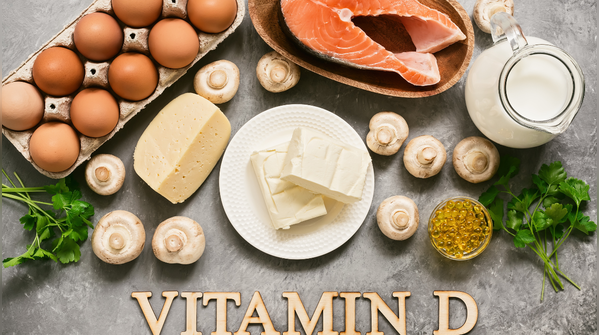
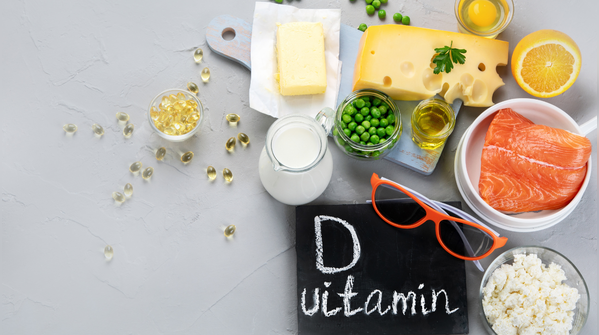
Sunlight alone is rarely enough, especially in populations with limited dietary sources. In India, vegetarian diets often lack foods naturally rich in vitamin D. Unlike some countries, food fortification is still inconsistent. This creates a silent gap.
Even those who eat well may not realise that vitamin D is missing from their plate. Over time, this adds to the deficiency, even if sun exposure seems adequate.
Why mood, immunity, and body aches are linked
Vitamin D does more than support bones. Low levels are linked with mood changes, frequent infections, and unexplained body aches. The immune system depends on it to respond effectively. The brain uses it to regulate mood.
This explains why deficiency often shows up as a mix of symptoms rather than a single clear sign.
What actually helps restore energy
Fixing vitamin D deficiency needs a broader approach. Midday sunlight, even for 15-30 minutes, is more effective than longer exposure at low UVB hours. Exposing arms and face helps.
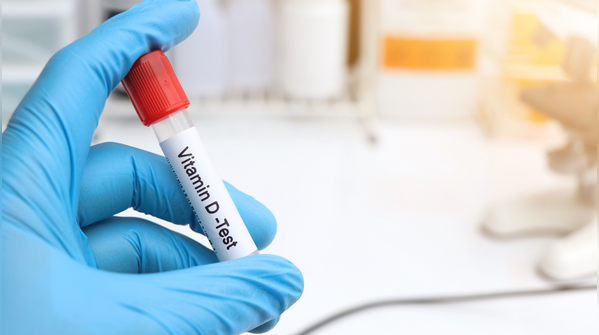
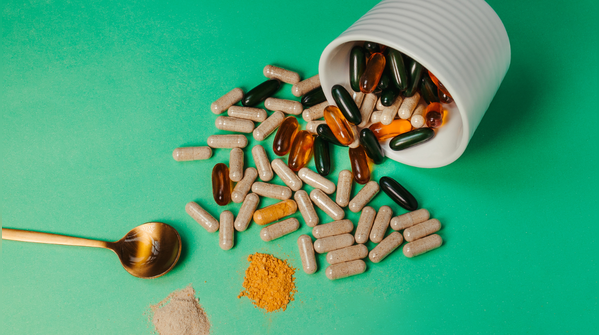
Diet needs attention. Fortified foods, dairy, and supplements when prescribed can bridge the gap. Blood tests offer clarity and prevent guesswork.
Addressing underlying conditions is equally important. Without that, even supplements may not work well. Most importantly, the approach must be consistent. Vitamin D builds slowly, and so does its impact on energy.
Medical experts consulted
This article includes expert inputs shared with TOI Health by:
Dr Suranjit Chatterjee is Senior Consultant, Internal Medicine, at Indraprastha Apollo Hospital, Delhi.
Inputs were used to explain why people may feel low on energy despite regular sun exposure, highlighting the hidden causes of vitamin D deficiency and why consulting a doctor is important before turning to supplements.
Featured In Health

