
- News
- Health News
- Even while resting, the brain may still be overworked, neurologists warn about today’s “always-on” lifestyle
Even while resting, the brain may still be overworked, neurologists warn about today’s “always-on” lifestyle

Does the brain never truly rest?
There was a time when silence came naturally. Long train rides meant staring out of the window. Waiting in a queue meant observing people around. Nights ended with conversations or quiet thoughts before sleep. Today, those empty spaces rarely exist. Every pause is filled with something, a reel, a notification, a podcast, an email, or another screen competing for attention.
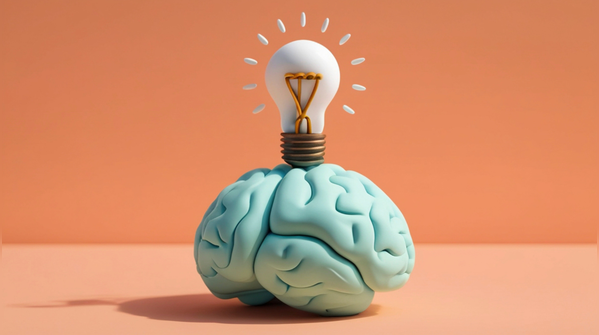
Neurologists are now warning that this constant background stimulation is not just changing attention spans, but also altering the way the human brain experiences rest itself. Many people may appear physically relaxed, sitting on a couch or lying in bed, but mentally, the brain is still “working overtime.”
This growing dependence on constant stimulation is becoming one of the defining health concerns of modern life. The concern is not technology alone, experts say, but the absence of genuine mental stillness.

Why the brain no longer gets true downtime
According to neurologists, the brain was never designed to remain continuously engaged for hours every day without pause. Earlier, ordinary moments naturally allowed the brain to slow down. But now, every gap is occupied by digital input.
“In a hyper-connected age, no one is truly 'off' anymore. With smartphones and social media, incessant notifications, streaming platforms and the pressure to be engaged all the time, the human brain is exposed to constant background stimulation like it has never been exposed to before,” said Dr Prabhu, Neurologist, HOSMAT Hospitals.
The problem, experts explain, is that stimulation does not always feel exhausting in the moment. In fact, scrolling or binge-watching often feels relaxing. But neurologically, the brain may still be processing information continuously.
“Technology has allowed us to live faster, more connected lives, but it has also quietly changed the way we rest. A lot of people can seem to be physically inactive but their mind is always rolling, scrolling, replying, consuming and processing,” Dr Prabhu added.
This constant intake of information keeps the nervous system mildly alert, even during supposed leisure hours. Over time, that low-grade mental engagement can build into cognitive fatigue.
A 2023 advisory from the Centers for Disease Control and Prevention (CDC) also highlights how insufficient mental and physical rest can affect memory, mood, focus and long-term brain health.

Why silence suddenly feels uncomfortable to many people
One of the biggest behavioural shifts neurologists are noticing is how difficult quietness has become for many people. Even a few minutes without stimulation now feels unusual.
“One pattern that has become increasingly noticeable is how uncomfortable many people now feel with mental quiet. Earlier, small gaps in the day — commuting, waiting, even winding down before sleep — naturally gave the brain periods of lower stimulation. Now those spaces are constantly filled, whether it’s podcasts, videos, scrolling through short-form content, or switching between multiple screens at once,” said Dr Prabhu.
This overstimulation may also explain why many people report feeling mentally drained despite doing “nothing tiring.” The brain rarely enters a state of recovery because attention is constantly fragmented.
Research published by the National Institutes of Health (NIH) has shown that excessive digital engagement and prolonged screen exposure can affect sleep quality, emotional regulation and sustained attention, especially when exposure continues late into the evening.
Experts say the issue becomes more serious because overstimulation often disguises itself as relaxation. Watching endless short videos before bed may feel calming emotionally, but neurologically, the brain remains active and alert.

Doomscrolling and the brain’s “always alert” state
Late-night scrolling has become one of the most common habits neurologists now hear about in clinics. What begins as “just five minutes” often turns into an hour of constant stimulation right before sleep.
“From a neurological perspective, the brain is spending far less time in actual cognitive rest. Many patients describe feeling mentally tired all the time, yet unable to disengage from stimulation. Sleep may still happen, but the mind often remains overstimulated well into the night,” Dr Prabhu explained.
“Doomscrolling, especially late at night, is something that comes up very frequently now, and it tends to keep the brain in a prolonged state of alertness without people fully realising it,” he added.
This matters because the brain depends heavily on deep sleep for recovery. Without uninterrupted rest, emotional resilience, concentration and memory consolidation can all suffer.

The brain has its own cleaning system, and sleep powers it
Neurologists are also drawing attention to the glymphatic system, often described as the brain’s waste-clearance network. This system becomes most active during deep sleep and helps remove metabolic waste products that accumulate throughout the day.
“Glymphatic system is the brain’s waste clearance system, flushing out toxic metabolic by products. It is most active in sleep, especially in NREM stages of sleep,” said Dr Suresh Babu P, HOD, Neurology, Arete Hospitals.
“Lack of proper sleep hygiene or chronic sleep deprivation, can result in cognitive disturbances over a period of time. Reducing night screen time and atleast 6-8 hours of uninterrupted sleep, side lying posture (preferably right) is necessary for effective functioning of glymphatic system,” he added.
This growing body of research is one reason neurologists are urging people to rethink what “rest” actually means. Rest is not simply lying down with a phone in hand. True recovery may require periods where the brain is not actively consuming or reacting to information.
Rest may soon become a public health conversation
Mental fatigue is no longer limited to overworked professionals or students during exam season. Neurologists say they are seeing people across age groups struggling with exhaustion, poor concentration, irritability and emotional burnout despite sleeping for several hours.
“This lack of real mental downtime results in a significant increase in cognitive fatigue, poor concentration, emotional exhaustion, sleep disturbances and an intolerance for silence or stillness,” said Dr Prabhu.
“Like any other organ, the brain too needs time to recover to perform optimally. If we keep normalising constant stimulation without allowing for reflection and cognitive recovery, mental fatigue could become one of the defining public health challenges of modern life,” he warned.
The modern world rewards speed, responsiveness and constant availability. But the brain still operates on biological rhythms that need recovery, pauses and silence.
Today, that statement feels more relevant than ever.

Medical experts consulted
This article includes expert inputs shared with TOI Health by:
Dr Prabhu, Neurologist - HOSMAT Hospitals.
Dr Suresh Babu P, HOD, Neurology, Arete Hospitals.
Inputs were used to explain how constant background stimulation, from screens to nonstop noise, may be affecting the brain’s ability to truly rest, and why neurologists say people should become more mindful of their daily sensory overload.
Featured In Health

