
- News
- Health News
- Bloating without overeating? Doctor reveals hidden causes, gut triggers, and proven ways to fix it
Bloating without overeating? Doctor reveals hidden causes, gut triggers, and proven ways to fix it

Why do people have visibly bloated stomach without any reason
It happens on a regular day. Meals are light, portions are controlled, yet the stomach feels tight, heavy, and uncomfortable. Bloating, once seen as an occasional issue, has quietly become part of everyday life for many people.
The confusion lies here: if overeating is not the reason, then what is?
Doctors say the answer is more layered than it seems. Bloating is not just about food quantity. It is about how the body processes it, reacts to it, and sometimes, struggles with it.
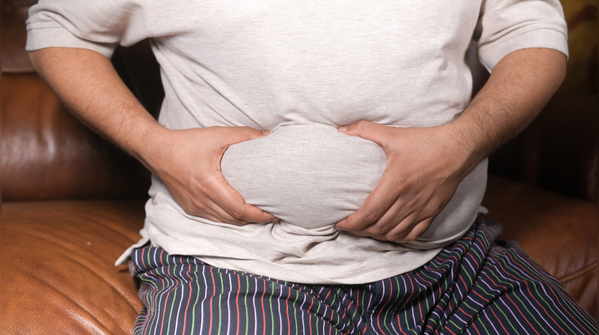
What exactly is bloating?
Bloating is often described as a feeling rather than a visible condition. The abdomen may or may not look swollen, but the sensation is unmistakable. There is tightness, pressure, and sometimes mild pain.
Dr Girish P. Veeranna explains it simply, “Bloating is a condition where your belly feels full and tight, often due to gas. It is a common concern we see in clinical practice, even without overeating. Bloating is more related to how the digestive system functions than to the quantity of food.”
This shifts the focus from “how much you eat” to “how your body handles it.”
Why bloating has become so common
Modern routines have quietly reshaped digestion. Meals are rushed. Workdays are long. Stress sits in the background almost constantly.
A study by Diabetes therapy highlights how lifestyle-related digestive issues are rising across urban populations in India.
Another global review by the National Institutes of Health notes that functional gastrointestinal symptoms like bloating affect a large section of adults, even without clear disease.
The takeaway is simple: bloating is no longer rare because daily habits are working against gut health.

It is not just food, it is how you eat
Many people eat “healthy” food and still feel bloated. The missing piece often lies in eating habits.
Dr Veeranna points out, “Habits such as eating too quickly, inadequate chewing, or swallowing excess air may cause bloating in individuals. These habits can disrupt normal digestion.”
Fast eating sends larger food particles into the gut. Poor chewing reduces enzyme action. Even talking while eating can increase air intake.
These small, unnoticed habits build up over time.
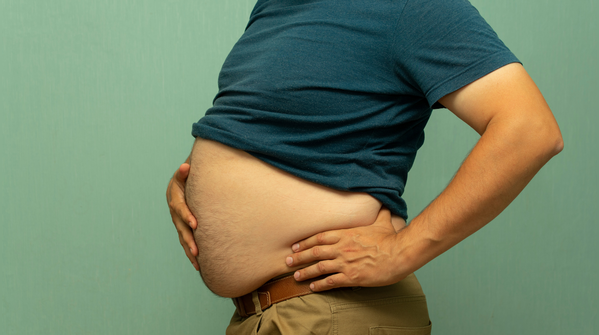
The hidden role of food sensitivities
Some foods create more gas during digestion. These are often rich in fermentable carbohydrates, commonly known as FODMAPs.
Dr Veeranna explains, “Foods rich in fermentable carbohydrates can produce excess gas during digestion. This can lead to a feeling of fullness and bloating even after small meals.”
This means a small bowl of food can sometimes feel heavier than a large one, depending on how the gut reacts. It is also why bloating varies from person to person.
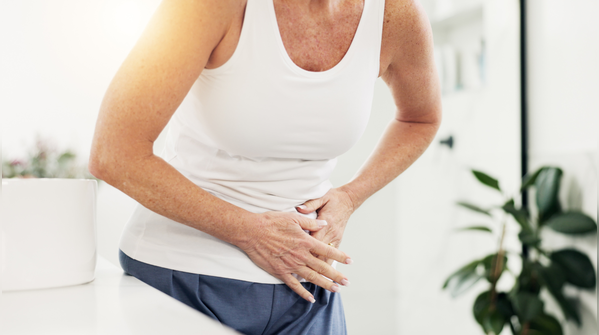
Constipation and gut imbalance: The silent triggers
Bloating often travels with constipation, even when it is mild and ignored.
“Constipation can contribute to stomach pain and bloating. The longer your stool stays in your colon, the more gas and bloating are generated. An imbalance in gut bacteria can further increase symptoms,” says Dr Veeranna.
This connects bloating to gut health in a deeper way. The digestive system is not just about food. It is also about movement and balance inside the gut.
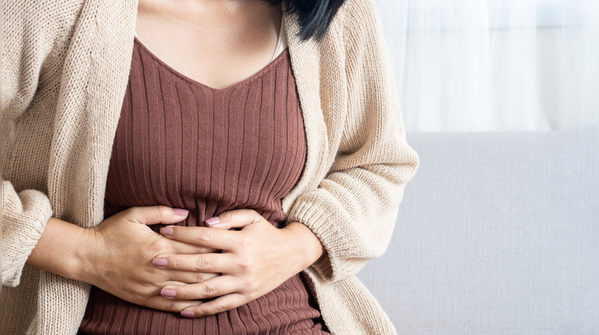
Stress is not in your head, it is in your gut
Stress rarely shows up as just a mental issue. It slows digestion, alters gut movement, and increases sensitivity.
Dr Veeranna notes, “The gut and brain are closely connected. Anxiety or irregular routines can slow down digestion and increase bloating.”
This explains why bloating often worsens during stressful weeks, even when diet stays the same.
What actually helps (and what doesn’t)
There is no one-size solution, and quick fixes rarely work.
Dr Veeranna advises, “If bloating is persistent, don’t ignore it. In the long run, the key to preventing bloating is understanding its cause.”
Simple steps can help in mild cases:
Slowing down meals and chewing properly
Drinking enough water
Including fibre in the diet
Staying physically active
But there is a limit to self-care.
“Chronic constipation and other conditions, such as IBS or gastroparesis, require medical treatment. A structured evaluation of dietary habits, bowel patterns, and lifestyle factors is essential,” he adds.
The key is not guessing, but identifying the cause.

Listen to what your gut is trying to say
Bloating is often dismissed as minor discomfort. But when it shows up often, it is usually a signal.
A signal that digestion is under strain.
A signal that routine needs attention.
A signal that the body is asking for balance. Ignoring it may seem easy. Understanding it makes all the difference.
Medical experts consulted
This article includes expert inputs shared with TOI Health by:
Dr Girish P. Veeranna, Consultant - Medical Gastroenterology & Hepatology, Aster RV Hospital, Bangalore.
Insights were used to explain why bloating can occur even without overeating and why it’s important to consult a doctor to identify the underlying cause and choose the right treatment.
Featured In Health

