
White foods aren’t always bad: What rice, milk, and garlic actually do for your body
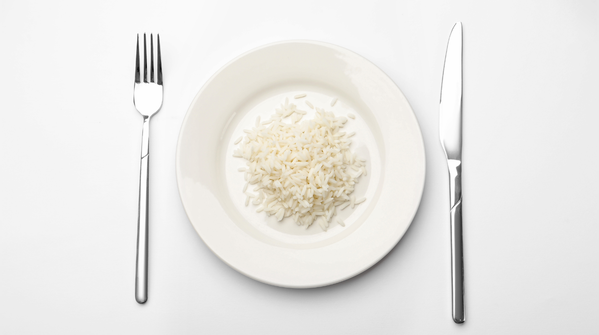
White foods might not be always bad
White foods get a bad name, usually lumped together as “refined” or “nutrient-poor.” But that view is too narrow. Not every white plate is empty of goodness. In fact, staples like rice, milk, and garlic have supported diets for generations, especially in Indian homes. The real question is not whether these foods are good or bad, but how they are grown, processed, and eaten. When used right, they can offer balance, comfort, and steady nutrition.
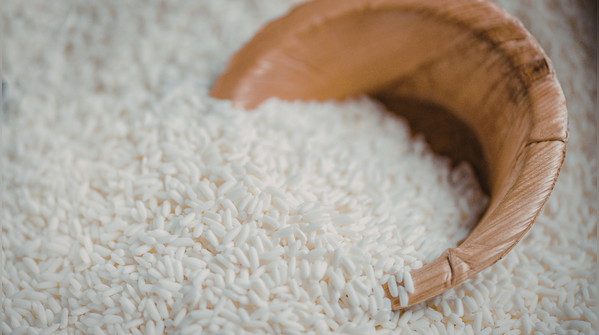
Rice: Comfort food with a steady role
Rice is one of the most widely eaten foods in the world, and for good reason. It provides quick energy through carbohydrates and is easy to digest. This makes it especially useful for children, older adults, and anyone recovering from illness.
White rice does lose some fibre during polishing, but it still carries small amounts of B vitamins and minerals. Pairing it with dal, vegetables, or curd turns it into a complete meal. Research from the Indian Council of Medical Research (ICMR) dietary guidelines suggests that cereals like rice can form a significant part of a balanced Indian diet when combined with protein and fibre sources.
Portion size matters. A moderate serving, balanced with protein and greens, keeps blood sugar stable and prevents overeating.
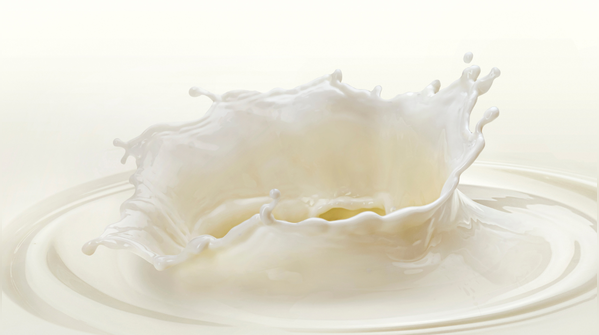
Milk: More than just calcium
Milk has been a staple in Indian kitchens for centuries. It is rich in calcium, protein, and vitamin B12, which are essential for bone strength and nerve health. For growing children and older adults, it plays a key role in maintaining bone density.
Studies supported by the National Institute of Nutrition (NIN), India, highlight milk as an important contributor to daily nutrient intake, especially in vegetarian diets where B12 sources are limited.
That said, not everyone tolerates milk well. Lactose intolerance can cause bloating or discomfort. In such cases, curd or buttermilk often works better, as fermentation makes them easier to digest.
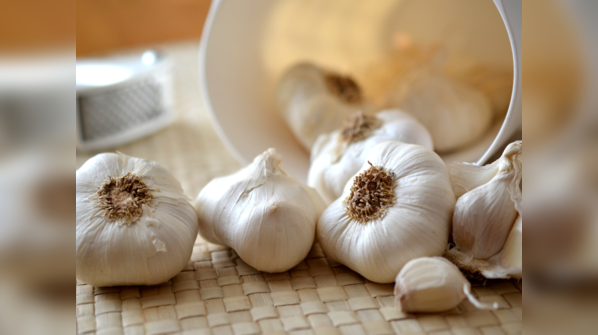
Garlic: Small clove, big impact
Garlic may be small, but its effects are far-reaching. It contains compounds like allicin, which are known for their anti-inflammatory and antimicrobial properties. Regular intake has been linked to better heart health and improved immunity.
Global research, including studies referenced by the National Institutes of Health (NIH), points to garlic’s role in reducing blood pressure and supporting cardiovascular health.
Cooking garlic lightly helps retain its benefits, while raw garlic can be too strong for some stomachs. A simple tadka with garlic can go a long way in boosting both flavour and health value.
The problem isn’t colour, it’s processing
White foods are often blamed because they are confused with ultra-processed items like white bread, sugary cereals, or refined snacks. These foods are stripped of nutrients and loaded with additives.
But natural white foods like rice, milk, and garlic are different. They are minimally processed and still hold nutritional value. The focus should be on food quality rather than colour.
A plate of steamed rice with dal and sautéed garlic is very different from packaged white snacks. One nourishes, the other often just fills.
How to include them wisely
Balance is the key. Rice works best when paired with fibre-rich foods. Milk should be consumed in forms that suit digestion. Garlic should be used regularly but in moderate amounts.
Simple habits can make a difference:
Combine rice with pulses or vegetables
Choose fermented dairy if digestion is an issue
Add garlic to everyday cooking instead of relying on supplements
A thoughtful plate always beats a restrictive one.

Who should be cautious
While these foods suit most people, a few need to be mindful. Those with diabetes may need to watch rice portions and prefer combining it with high-fibre foods. People with lactose intolerance should limit or modify milk intake. Garlic, when consumed in excess, may irritate the stomach or interact with certain medications.
Personal health conditions should always guide food choices.

Disclaimer
This article is for general awareness and does not replace medical advice. Dietary needs vary from person to person. It is best to consult a qualified healthcare professional or nutritionist for personalised guidance.
Featured In etimes

