
Stop buying the wrong cooking oil: American Heart Association recommends 8 heart-smart oils with smart cooking tips

Which cooking oil do you buy?
You're standing in the oil aisle at the grocery store, staring at bottles. Coconut oil promises all this anti-inflammatory stuff. Avocado oil says it's trendy. Butter's sitting right there, familiar and comfortable. And you're wondering: which one actually won't clog my arteries?
The truth is, most of us haven't thought much about cooking oil beyond "it fries stuff." But it turns out that what you cook with matters just as much as what you cook. And the American Heart Association has been pretty clear about which oils are actually doing your heart favors and which ones are working against you.

What the American Heart Association actually says about your oil choices
Let's start with the most important thing the American Heart Association wants you to know. According to their official guidance, "Replacing 'bad' fats (saturated and trans) with 'good' fats (monounsaturated and polyunsaturated) is smart for your heart. An easy way to do this is to choose nontropical vegetable oils to cook and prepare food."
The AHA is basically saying that not all oils are created equal, and the ones you should be using are the ones with healthy fats. More specifically, "When shopping for healthy oils, choose those with less than 4 grams of saturated fat per tablespoon, and no partially hydrogenated oils or trans fats."
Why this matters? Because saturated fats and trans fats are linked to higher cholesterol and heart disease. The good fats actually help your body, especially your cardiovascular system. They can lower cholesterol, reduce inflammation, and keep your heart rhythm stable.

The 8 heart-smart oils you should actually buy
The American Heart Association lists several cooking oils that meet their standards. These are the ones that have more of the "better-for-you" fats and less saturated fat:
Canola oil is probably the one most people have in their kitchen already. It's neutral in flavor, affordable, and works for almost everything. Corn oil is similar—versatile and reliable. Then there's olive oil. Peanut oil has a slightly nutty flavor and handles heat really well. Safflower oil is lighter and great for dressings. Soybean oil is common in blended vegetable oils. Sunflower oil is mild and works for most cooking needs.
The AHA also mentions that "Some specialty oils, including avocado, grapeseed, rice bran and sesame, can be healthy choices but may cost a bit more or be harder to find."
That's eight oils right there. Different strokes for different folks, and honestly, you probably don't need all of them. Most people do fine with two or three: maybe a neutral oil like canola for everyday cooking, olive oil for salads and low-heat stuff, and maybe a high-heat option like avocado or peanut if you're really into stir-frying or searing.
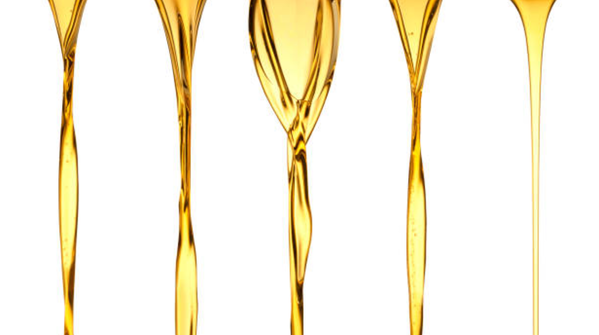
How to actually use these oils without wasting them
Knowing which oil to buy is one thing. Knowing when to use it is another. Because not every oil is created equal for every cooking situation, and using the wrong oil at the wrong temperature is basically throwing money away while also degrading the oil itself.
The AHA has some pretty solid advice here. "Use the oils listed above for all your cooking needs. These oils are generally safe, including at higher temperature. (The AHA does not recommend deep-fat frying as a healthy cooking method.)" So you can use them for grilling, stir-frying, baking, roasting—basically anything except deep-fat frying, which they don't support as a cooking method at all.
But there's a thing called a smoke point. It's the temperature at which an oil starts breaking down and, well, smoking. Once an oil reaches its smoke point, it starts to degrade. That's not just about flavor anymore—it's about the oil changing chemically in ways that aren't great for you. So if you're making a pan-seared steak, you probably want an oil with a higher smoke point. If you're drizzling something over a salad, smoke point doesn't matter because you're not heating it.
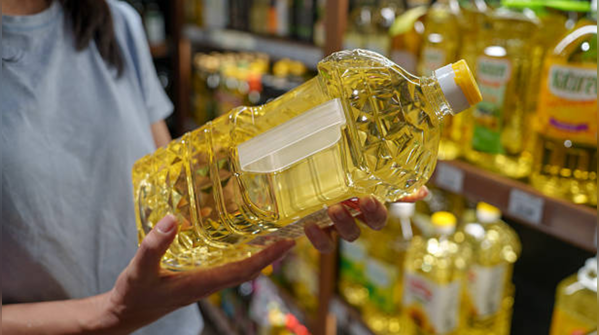
The practical storage and care rules
Here's something nobody tells you: oils go bad. It sounds silly because they seem so stable just sitting there, but they're actually pretty fragile.
The AHA is clear about this: "If the oil smells bad, don't use it and throw it out. When an oil is stored too long, it can become oxidized or rancid. It will have a distinct smell." You'll know it when you smell it. Rancid oil has this unmistakable sour, musty smell that's hard to describe but impossible to forget once you've encountered it.
Also, and this is important: "Don't reuse or reheat any cooking oil." People used to save the oil from frying, strain out the bits, and use it again. Don't do that anymore. Fresh oil, every time. It's better for you and honestly not that expensive.
One more thing that'll save you money and frustration: "Buy oil in smaller containers if you don't use it frequently. This way you will most likely use it before it expires." That giant jug of oil seems like a good deal at the store, but if it's sitting in your cabinet for three years, oxidizing and getting funky, it wasn't a bargain. Smaller bottles, more often, is the actual smart move. And store them in a dark, cool place—not above your stove where the heat's constantly breaking them down.

Making this an actual habit
The thing about heart health is that it's built on a thousand small choices. One meal won't kill you. But what you do consistently will either protect your heart or work against it. Your choice of cooking oil might seem minor, but it's one of those choices you make almost every single day if you're cooking at home.
Switching from saturated fats and tropical oils to the oils the American Heart Association recommends is legitimately one of the easiest dietary swaps you can make. You're not giving up flavor. You're not making food taste weird. You're literally just changing what's in the pan. And over time, over months and years of meals cooked in heart-healthy oil instead of the wrong stuff, your cardiovascular system will thank you.
Start with one or two oils. Figure out which ones you actually like using. Store them properly. Don't overthink it. And next time you're in that oil aisle, you'll know exactly which bottles to grab instead of guessing.
Featured In etimes

