
Snowfall in the UK: Healthy foods Brits eat during snowy weather conditions to stay warm

Snowfall in the UK: Healthy foods Brits eat during snowy weather conditions to stay warm
Snow in May? Only in the UK. When the weather does something strange (and let’s face it, it usually does), Brits have no other option but to adjust fast. Maybe you thought you’d be sitting outside for a cute picnic in the park, with a sandwich in hand and in a light coat, but then, out of nowhere, you’re reaching for boots and a scarf. That’s just how British weather works.
This kind of cold snap throws off everything: from plans and routines to even what ends up on your plate. When temperatures plummet, especially deep into spring, people naturally crave warm, filling food. But it’s not just about comfort: according to nutritionists, some of Britain’s favourite cold-weather meals are actually pretty good for you. We’re talking about soups, oats, roasted or slow-cooked veg — all sorts of real classics that deliver heat, energy, and a bunch of nutrients when you need them.
Colder weather makes your body work a bit harder, and those short, grey days can sap your mood and your immune system. So, you need foods with fibre, vitamins, protein, stuff that keeps you going and helps you bounce back. Turns out, British winter food just happens to tick all those boxes. The old staples, like porridge for breakfast and a rich vegetable stew at night, still work. And you’re not piling up on processed junk if you stick to the traditional recipes.
Here, we jot down some of the foods people usually go for when it gets cold and snowy, all of a sudden.

Soup
Let’s start with soup, as it’s practically a national instinct. When it gets cold, you can just see the sales of carrots and leeks shoot up. Homemade soups, full of lentils, peas, or whatever veg is hanging around, are cheap, satisfying, and stacked with nutrients. Lentil soup, especially, packs protein, iron, and fibre, and just makes you feel warm inside. Plus, it sneaks in a little hydration when you’re not in the mood to drink cold water.
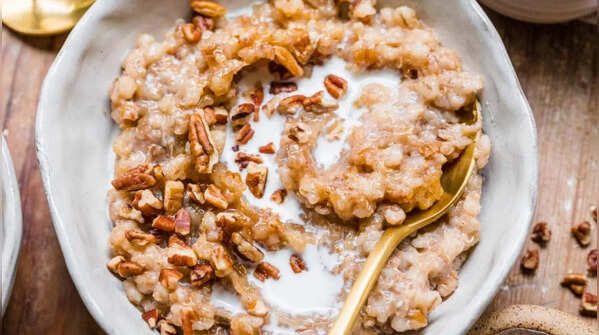
Porridge
Oats hold a special spot in the British breakfast hall of fame, especially in Scotland. Wake up to snowy weather, and porridge just makes sense. It’s hot, filling, fuss-free, and budget-friendly. Oats give you slow-release energy, thanks to all that soluble fibre, and you can pep it up with fruit, seeds, or a swirl of honey.

Root vegetables
If you’ve ever had a roast dinner or winter stew, you know the stars: carrots, parsnips, sweet potatoes, swede, beetroot. These root veggies are loaded with vitamins and fibre, and, best of all, they keep you full. Slow-release carbs help you stay warm and don’t drop your energy halfway through the afternoon.

Roasted sweet potatoes
Speaking of root veggies, roasted sweet potatoes are having their own moment right now. They’re great for vitamin C and potassium, and roasting brings out their natural sweetness. The same goes for parsnips and carrots; after a bit of time in the oven, they taste incredible.
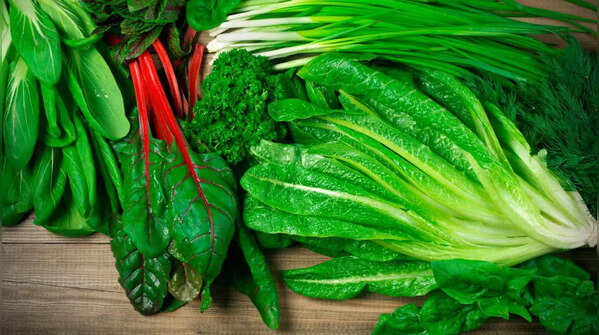
Leafy greens
Kale, cabbage, spinach, and Brussels sprouts are true winter survivors — and even when the cold wind and snow come unannounced. These greens grow well in cold weather, and they’ve got loads of vitamins A, C, and K. Your immune system will thank you, and they help you get through cold and flu season in one piece. Brussels sprouts, love them or hate them, are full of antioxidants and fibre.
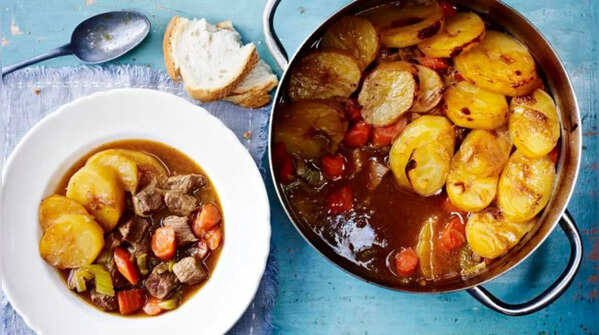
Stews and casseroles
Nothing says British winter like a big, bubbling stew or casserole. And you don’t have to dump in a ton of cream or fat. Throw in beans, lentils, root veg, maybe some lean meat, and let the slow cooker do the work. Vegetable casseroles and bean stews have caught on with younger people as well — it’s comfort food, but with a healthier punch.

Oily fish
Fishes like Salmon, mackerel, and sardines usually show up more in winter for a reason. They provide omega-3s and vitamin D, which becomes extra important when you’re getting almost no sun for days. Britain sees a lot of vitamin D deficiency in winter, so some oily fish in your diet just makes sense.

Warm drinks
And, of course, tea. Brits drink gallons of the stuff, all year, but especially when it’s cold. Add herbal teas, ginger drinks, or a mug of hot lemon water, and you’ve ticked off a whole category. Hot chocolate pops up too, as a treat. Warm drinks take the chill out and help you relax when the weather’s miserable.

Important consideration
A lot of “winter food” is about nostalgia and comfort, full of dishes that remind you of home, stormy nights, or eating around the kitchen table. Soup, porridge, roasted veg — they’re not just meals; they’re memories. But here’s the catch. It’s easy to grab sugary snacks or order something greasy when you’re stuck inside. Sure, indulge now and then, but nutritionists say you’ll get through the season in better shape if you let healthy, seasonal comfort food do most of the work.
Featured In etimes

