
Japanese habits that keep energy levels naturally high
Japanese habits that keep energy levels naturally high
Japan is known for its healthy lifestyle and high life expectancy. Beyond genetics, the Japanese are conscious of their health. You may also find them full of energy, and that’s no accident. It all comes down to daily habits. These simple habits, rooted in mindfulness and movement, help them stay energetic. Here are five Japanese habits worth borrowing.
Ikigai
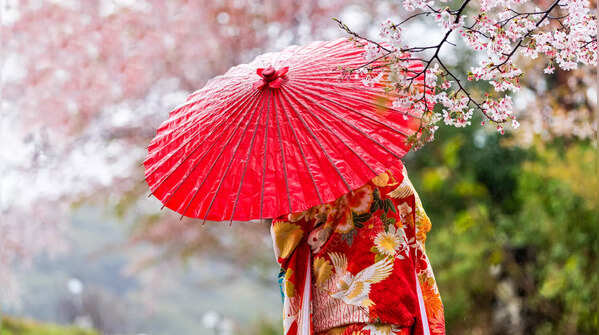
Having a purpose in life is what makes them so vibrant. Ikigai, a Japanese concept, stresses the importance of having a reason to get out of bed every morning. “Ikigai” simply means a “reason for being.” This sense of purpose and fulfillment is what fuels them forward.

Mindful eating – Hara Hachi Bu
Your energy really depends on what you eat and how much you eat. The Japanese follow the principle of Hara Hachi Bu, which means eating until you are 80 percent full. This simple technique is one reason behind their energy. Overeating can lead to a sugar crash, leaving you sluggish and foggy. Mindful eating is key to staying healthy and energetic.
Hydration
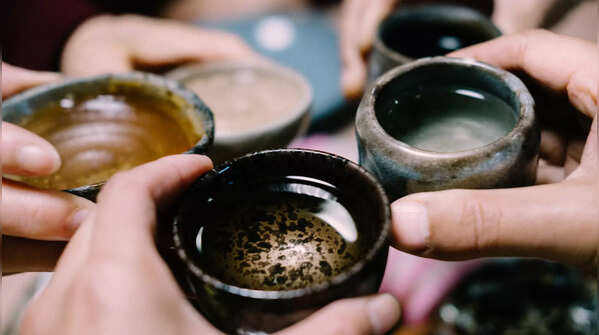
No wonder the Japanese have perfect, glowing skin—hydration is a part of their daily life. They drink water immediately upon waking, and this is a common practice. Dehydration can lead to fatigue and reduced focus. Japanese culture favors hydration, and people often enjoy sipping green tea between meals. Hydration not only keeps you energetic but also improves metabolism and helps flush out toxins.

Inemuri
The Japanese are known for their hard work. Though most people assume they skimp on sleep, that’s not the case. In fact, they practice napping during the day. Inemuri translates to “being present while sleeping.” It is socially acceptable to practice napping in public spaces. Naps of 10 to 20 minutes can significantly restore alertness, improve mood, and boost cognitive performance.

Movement
Less talk and more walk—this should be our motto! The Japanese surely love to walk. They don’t consider movement exercise as part of their daily life. They walk to train stations, cycle to local shops, and do not mind climbing stairs. Walking is undoubtedly great for your body. Without a gym membership, this simple movement helps improve circulation, supports heart health, and keeps energy levels steady throughout the day.
These simple habits, over time, can help you build a healthier tomorrow.
Featured In etimes

