
Indian bael or wood apple vs coconut water: Which is better for summer hydration?
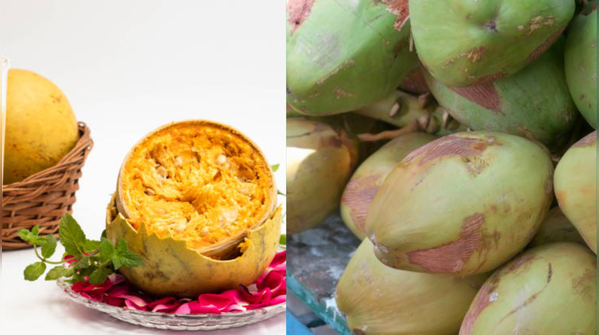
Summer hits differently when you're in India
The heat doesn't just make you sweat, it drains you. By 2 PM, you're basically a walking puddle, and your body's screaming for something cold, something refreshing, something that'll actually make you feel human again. So naturally, we reach for whatever's available. And in India, you've got options. Coconut water is everywhere, you can grab one from almost any street corner. But then there's bael, also called wood apple, this round fruit that's been around forever and people swear by it for summer. The question isn't really complicated though, which one actually works better for keeping you hydrated when the temperature's pushing past 40 degrees?
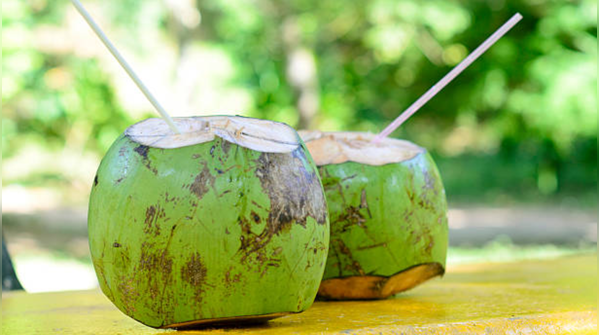
What coconut water actually does
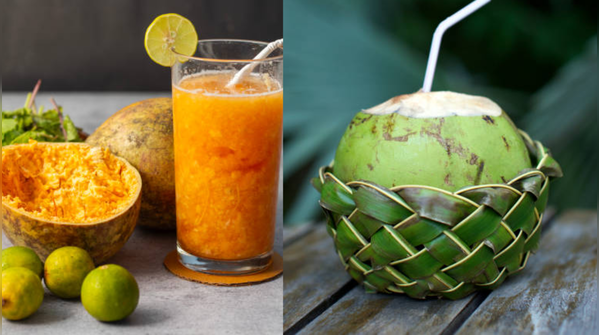
Coconut water's got incredible branding. It's marketed as nature's sports drink, packed with electrolytes, the perfect hydration solution. And honestly, it's not wrong. When you crack open a coconut and drink that clear liquid inside, you're getting potassium, sodium, magnesium, and calcium, basically all the minerals your body loses when you sweat. It absorbs quickly into your bloodstream, which is why athletes actually drink it.
The thing is, coconut water tastes good. It's sweet, it's refreshing, and you can drink it straight without any preparation. Just grab one from the vendor, poke a hole with a straw, and you're done. For most people, that convenience alone is enough to make it the go-to summer drink. And if you're just looking for quick hydration after being out in the heat, coconut water does the job well.
But here's where it gets interesting, coconut water's also got sugar. Not crazy amounts, but enough that you're not just getting pure hydration. You're getting calories too. So if you're drinking three or four coconuts a day because you're parched, you're also consuming a fair bit of natural sugar. For some people, that's fine. For others, especially if they're watching their intake, it matters.
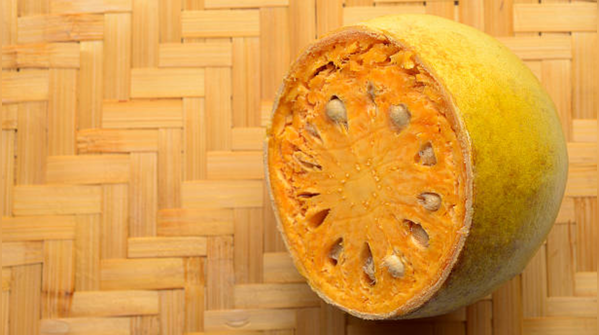
The bael story: Why Indians have always loved it
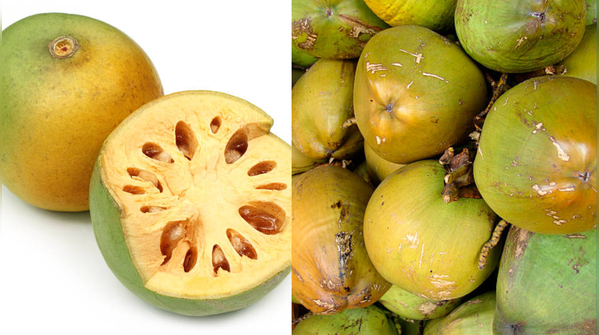
Bael's been around for centuries in India. Ancient texts mention it. Grandmothers swear by it. It's got a hard, woody shell (hence "wood apple"), and inside is this fibrous, yellowish pulp that doesn't look particularly appetizing. You have to soak it in water to extract the juice, which is already a lot more work than grabbing a coconut.
But that effort might actually be worth it. Bael contains compounds that traditional Indian medicine has valued for ages, and modern nutrition science is starting to back some of it up. When you make bael sherbet (soak the pulp in water, strain it, add a little salt and sugar if you want), you get something that's incredibly cooling for your body. It's not just about temperature, there's something about bael that actually helps regulate your internal heat.
The fiber content in bael is also significant. Unlike coconut water, which is mostly liquid and minerals, bael gives you actual substance. It's more filling, keeps you satisfied longer, and your body processes it differently. For summer, when your digestive system can get sluggish from the heat, that fiber actually helps.
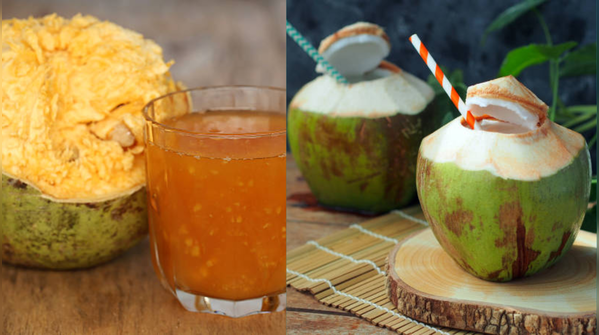
The electrolyte showdown
If we're talking purely about electrolytes and minerals, coconut water wins on paper. It's got higher potassium content, more sodium, better mineral balance overall. That's why it's genuinely useful if you've been sweating heavily or exercising in the heat. Your body needs those minerals back, and coconut water delivers them efficiently.
Bael doesn't have that same electrolyte profile. But it's got something else, tannins, fiber, and compounds that help with digestion and cooling. So if you're comparing them strictly on "which hydrates better," coconut water comes out ahead. But hydration isn't just about minerals. It's about how your body feels and functions overall.
The digestive angle
Here's something people don't talk about enough: summer heat messes with your digestion. Your appetite disappears, your stomach feels off, everything feels sluggish. Bael actually helps with this. It's astringent, which sounds weird, but it basically means it helps regulate your digestive system. Some people swear it helps with constipation—a common problem in summer heat.
Coconut water doesn't really affect digestion much. It's neutral, which is fine, but it doesn't actively help the way bael does.
The real answer
Honestly, the best answer is probably both. Use coconut water when you need quick, efficient hydration after sweating or exercise. Use bael when you want something more cooling and digestive-friendly, something that'll make you feel better overall in the summer heat. They're not competing for the same job—they're just good at different things.
Featured In etimes

