
Do you do eye makeup daily? Doctor-approved tips you really shouldn't ignore
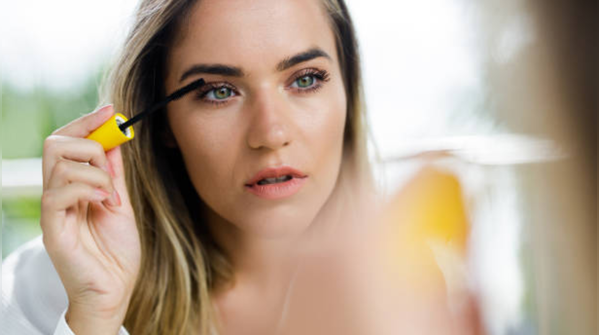
Make up habits that can damage your eyes
You're rushing. Hair's half-done, you're still deciding what to wear, and somehow you're already five minutes late. So you grab the kajal, swipe it on without even looking properly, throw on some eyeliner, a quick coat of mascara, and you're out the door. It's automatic at this point. You don't think about it. Your hands know exactly what to do.
But here's the thing, your eyes are definitely thinking about it.
Dr. Sparshi Jain, Consultant, Ophthalmology at Yatharth Hospital 110 Unit Noida, has spent years watching people casually destroy their eye health with makeup habits they don't even realize are problematic. And the scary part? Most of it comes down to stuff we're not even thinking about while we're doing it.
Skin around your eyes are thinner
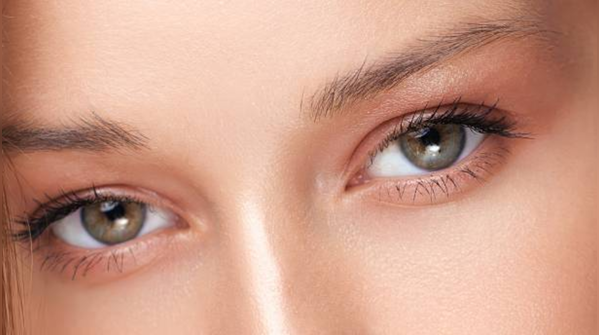
The skin around your eyes isn't like the skin on your cheeks or forehead. It's thinner, more sensitive, and honestly, it deserves way more respect than we give it. When you apply kajal or eyeliner, you're working right along the eyelid margin, that thin line where tiny oil glands open up and do their job of keeping your eyes naturally lubricated. Seems harmless, right? It's not.
"The skin around your eyes, and the eyes themselves are far more delicate than we treat them," Dr. Jain explains. "That thin line where you apply kajal or liner? It's not just a 'line.' It's where tiny oil glands open up, quietly doing their job of keeping your eyes lubricated."
When you repeatedly apply products too close to that area, you're essentially clogging these glands. Imagine trying to do your job while someone's blocking your workspace, except in this case, your workspace is your eye's natural moisture system. And when it gets blocked, things start going wrong pretty quickly. The first sign is usually dryness. Not the mild kind you get when you've been staring at screens too long. The kind that makes your eyes feel heavy and tired no matter how much sleep you got. Then comes the irritation. A scratchy, uncomfortable feeling that doesn't really go away.

Products expire, and we don’t change them
But here's where things get actually concerning. Most of us have this one mascara we've been using for way longer than we should. Or that kajal we sharpen and reuse every single day, not thinking twice about it. They still work, so why replace them, right? Except products don't stay fresh forever, and nobody really talks about what happens when they age.
"That mascara you've been stretching for months, the kajal you sharpen and reuse every day, they don't stay fresh forever," Dr. Jain points out. "Over time, they might look harmless but they aren't and collect bacteria."
Think about it. Every single time you apply that mascara, you're dipping the wand into the tube. Every single time you sharpen that kajal, you're exposing a fresh surface. And every single time you use these products, you're introducing whatever bacteria has been accumulating to your eyes. It's not like bacteria grows visibly or changes the color of your makeup. It just sits there, multiplying quietly, waiting for an opportunity to cause an infection.
Eye infections from makeup contamination aren't rare. They're actually pretty common, and they range from annoying to genuinely sight-threatening if you ignore them long enough. We're talking about things like bacterial conjunctivitis, styes, and other infections that start small but escalate quickly because, well, your eye is literally open 24/7.
The tools are not clean
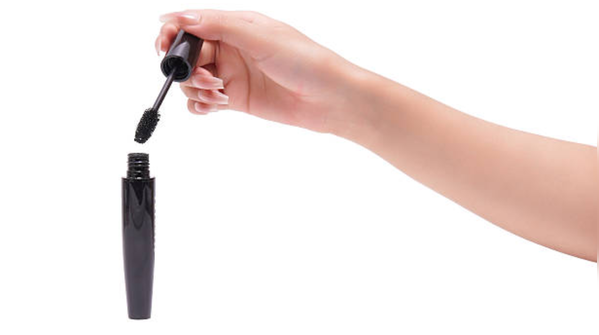
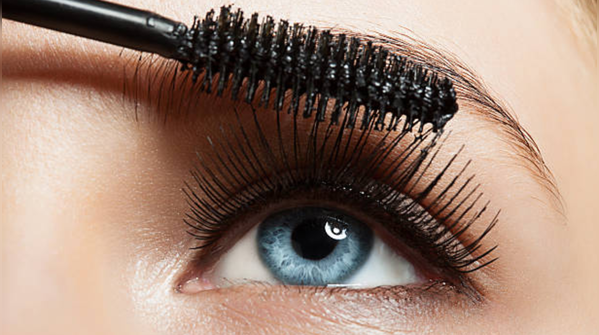
And then there's the stuff we use to apply makeup. Your brushes. Your applicators. Those little spoolies for mascara. Most people never clean them. Or if they do, they do it maybe once a month if they're being conscientious. In between, they're sitting in a makeup bag accumulating bacteria, dust, dead skin cells, and whatever else floats around in there.
"Even the tools we use, brushes, applicators etc., quietly carry more than just makeup," Dr. Jain explains. "If not cleaned or replaced in time, they transfer microbes directly to the eyes."
It's basically like using the same dirty spoon to eat from day after day and wondering why you keep getting sick. Except this spoon is literally touching your eyes.

What actually happens when you get an eye infection
The problem with eye infections from makeup is that people usually try to tough it out or self-medicate. Someone gets red eyes, assumes it's just irritation, uses some random eye drops from their medicine cabinet, and hopes it goes away. Sometimes it does. Sometimes it gets worse. Sometimes it leads to actual vision problems.
Dr. Jain is clear about this: "If your eyes feel even slightly off, red, dry, itchy, just don't ignore it. Consult an eye expert immediately. Don't do self medication. Avoid rubbing your eyes or putting any medication without consulting a medical practitioner."
This isn't her being overly cautious. This is someone who sees the fallout from people ignoring early warning signs. By the time a lot of patients come in, what started as a simple infection has become something that needs actual treatment. And sometimes, the damage is already done.
Simple prevention plan
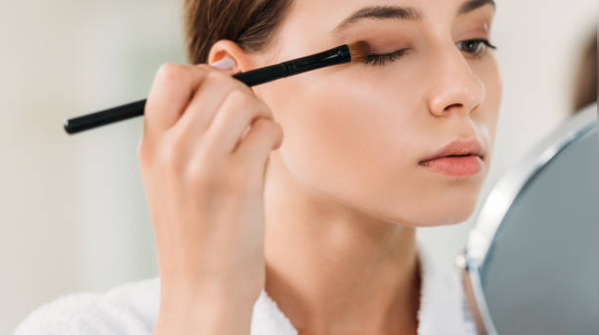
Here's what's wild, preventing all of this doesn't require anything drastic. It's not like you have to give up makeup completely or spend hours on a complicated eye care routine. It's just about paying attention to stuff you're probably already doing, just doing it differently.
"The good part? Preventing all this doesn't require anything drastic. Just a little attention," Dr. Jain says.
First, don't share your eye makeup. Not with your best friend, not with your sister, not with anyone. Eye infections are contagious, and you never know if someone's carrying bacteria you don't want. Second, replace your products every few months. That mascara that still works? Replace it anyway. That kajal that's been sharpened a hundred times? Get a new one. It's not expensive, and it's way cheaper than dealing with an eye infection.
Third, wash your hands before touching your eyes. This is so basic but so many people skip it. You've been touching everything all day—your phone, doorknobs, other people's hands. And then you put kajal on without washing yours first. Your eyes are basically a direct pipeline to infection if you do that.
Fourth, and this one should be non-negotiable: remove your makeup before sleeping. Not sometimes. Not when you remember. Every single night. Your eyes need to breathe, your glands need to function properly, and makeup sitting on your eyes overnight is just asking for problems.
The bottom line
You probably aren't going to stop doing eye makeup. And honestly, you don't have to. Eye makeup isn't inherently bad for you. What's bad for you is being careless about it, using old products, not cleaning your tools, and ignoring warning signs when something feels off.
Your eyes literally let you see the world. They're pretty important. So maybe the next time you're rushing in the morning and you're about to swipe on that kajal without thinking, just take a second. Think about what you're doing. Make sure your hands are clean. Make sure your products aren't ancient. And if something feels even slightly wrong, don't mess around with it—go see a doctor.
It's that simple. And it's that important.
Featured In etimes

