
Comfort foods that are the quiet healers of your body (health benefits inside)

Modern nutrition science is catching up with what we knew long ago
People pick foods on hard days for a reason. A bowl of warm khichdi for fever, curd rice after a stressful afternoon, or dal-chawal when life feels exhausting are not just emotional habits. The body often desires foods that are easy to digest, nutritionally grounding and biologically calming. Finally, modern nutrition science is catching up with what India’s kitchens knew long ago.
(Author: Charu Dua, Clinical Nutritionist, Amrita Hospital, Faridabad)
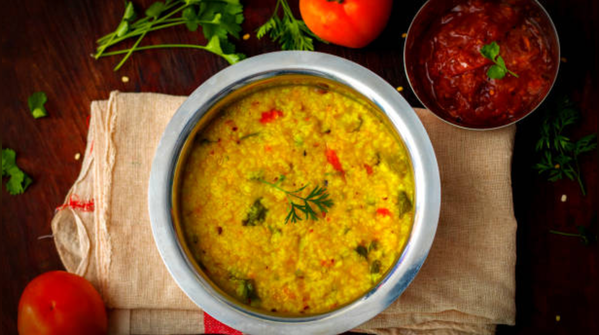
Khichdi
Make khichdi. It looks simple, but from a metabolic perspective it is extremely efficient. Rice provides the body with easily available energy, and lentils give protein and fiber without overloading the digestion. Stress and illness have a way of slowing down our digestive system. Heavy, oily meals need more energy to break down, while softer foods like khichdi reduce the strain on your digestive system and help keep you hydrated and absorb the nutrients.

Dark chocolate
And then there is dark chocolate. Not the too-sweet candy-bar kind, but high-cocoa chocolate. Research has shown that cocoa flavonoids may improve blood vessel function and reduce stress hormones. That little square after dinner may be doing more than just soothing your mood.
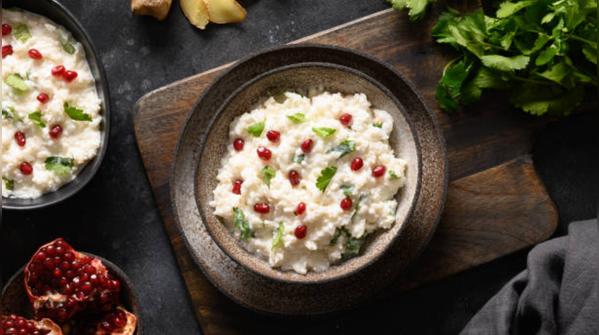
Curd rice
Curd rice works in much the same clever way. Fermented curd contains beneficial bacteria naturally which helps to support the gut microbiome which is the ecosystem of microbes now strongly linked to immunity, mood, inflammation and even sleep quality. Many people call the feeling after eating curd rice as “settled”. There is no imaginary feeling. The gut and brain are constantly talking to each other via what scientists call the gut-brain axis.
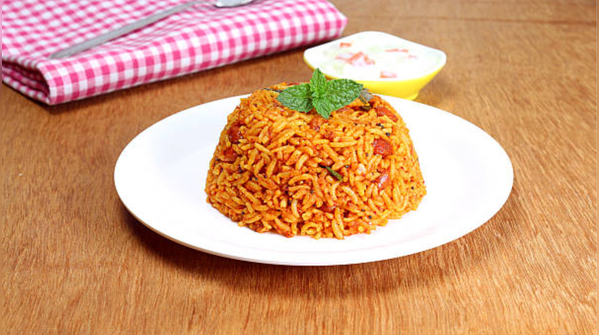
Here’s what matters most
The real problem isn't comfort food. It’s ultra-processing, it’s giant portions, it’s the idea that pleasure and health are opposites. Sometimes the foods that feel emotionally comforting are also the ones subtly helping the body to heal, regulate and recover.
Featured In etimes

