
5 red fruits to help control blood pressure
5 red fruits to help control blood pressure
High blood pressure sneaks up on you. Most people have no idea until it starts to wear out their heart, brain, or kidneys. It’s even more common now with all the stress, junk food, and sitting we do. Pills help, but doctors keep coming back to something simpler: what you eat.
Red fruits get a lot of buzz in the “heart-healthy” world, and for good reason. They’re packed with potassium, antioxidants, and other stuff that keeps your blood vessels relaxed and inflammation down. Basically, these fruits help your blood flow and push the extra sodium out of your system. They also taste good and fit into any meal: just toss some in your breakfast or have them as an afternoon snack.
However, not all fruits are the same. Different fruits come with different benefits, and if you’re looking for some, here are five red ones that actually stand out if you want to keep your blood pressure in check, along with real tips for adding them to your day.
Pomegranate
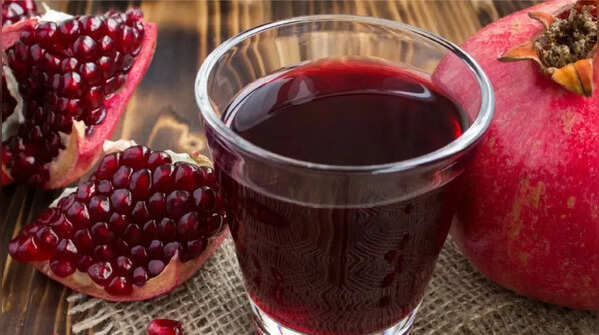
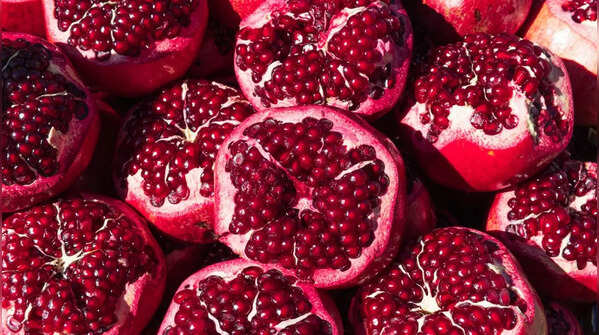
This is the “superfood” people love to hype up, and the science backs it up. Studies show pomegranates cut both systolic and diastolic blood pressure, sometimes by as much as 5 mmHg. That’s not magic, just a lot of polyphenols and antioxidants working to relax your blood vessels and reduce inflammation.
How to eat: Try a small bowl of fresh seeds every day, or a small glass (150–200 ml) of pure juice. Best when eaten with meals in the morning or midday.
Eating protein daily but still losing muscle? Expert explains what ageing does to your body
Why air-conditioned offices are making desk workers more dehydrated than ever

Strawberries
These color-popping fruits from the clan of berries are loaded with anthocyanins, which nudge your body to make more nitric oxide. That means better blood flow and lower pressure. Studies show that people with high blood pressure notice small, steady improvements when berries show up on the menu.
How to eat: One cup of fresh strawberries a day, as part of breakfast, on oats, or with yogurt, works great, especially in the morning or early afternoon.
Signs of low magnesium levels: What doctors look for first
Getting breathless after a short walk? Why more young adults are facing this silent warning sign
Cherries
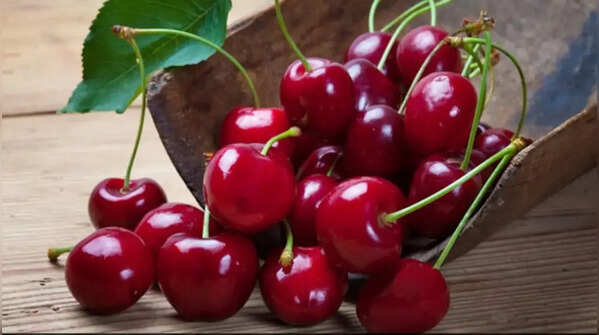
Cherris, especially tart cherries, deliver big when it comes to heart health. Per scientific studies, the anthocyanins and flavonoids in them keep your arteries flexible and inflammation lower, making it easier for blood to move around and easing the load on your heart.
How to eat: Grab 10–15 cherries as an evening snack, or have some unsweetened cherry juice now and then. Bonus: cherries in the evening can help you sleep better, too.
Watermelon
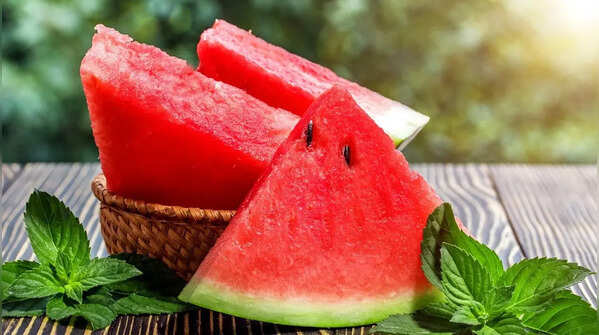
Forget the sugar in watermelon; it’s actually great for your heart. It’s high in citrulline, and research shows, an amino acid that helps your body make nitric oxide (which relaxes blood vessels). Regular slices mean easier blood flow and less pressure.
How to eat: One or two cups of sliced watermelon, no need to add sugar or (especially) salt. It’s perfect in the afternoon or after a workout when you’re thirsty.
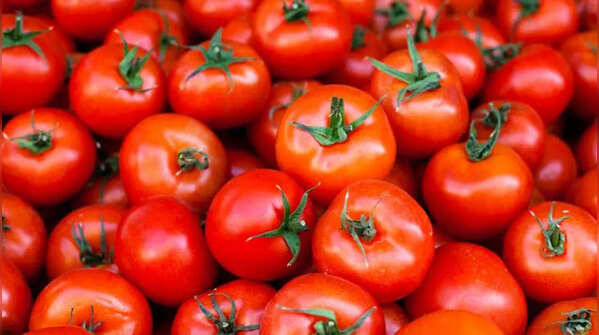
Tomatoes
Tomatoes (yes, they’re technically a fruit) are really good for your heart, thanks to lycopene. A Harvard Study shows lycopene slashes systolic blood pressure, especially in higher doses. Whether you eat tomatoes raw or cooked, you’ll get a solid hit of this helpful antioxidant.
How to eat: Toss raw tomatoes in your salad, drink fresh tomato juice, or eat cooked tomatoes (like in soups or sauces), as cooking actually boosts lycopene absorption.
Featured In etimes

