
Trending
Saltwater crocodiles migrated thousands of miles to reach the Indian Ocean: What makes them the ultimate wanderers?
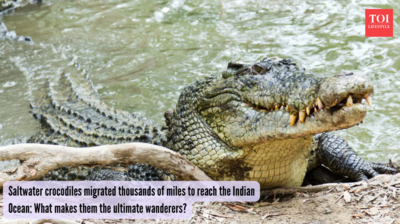
A new genetic study reveals saltwater crocodiles, once thought extinct in Seychelles, were actually the westernmost group of the species. These massive reptiles, capable of tolerating seawater for weeks, likely drifted over 3,000 kilometers across the Indian Ocean to colonize the remote archipelago, showcasing their remarkable long-distance swimming and settling abilities.
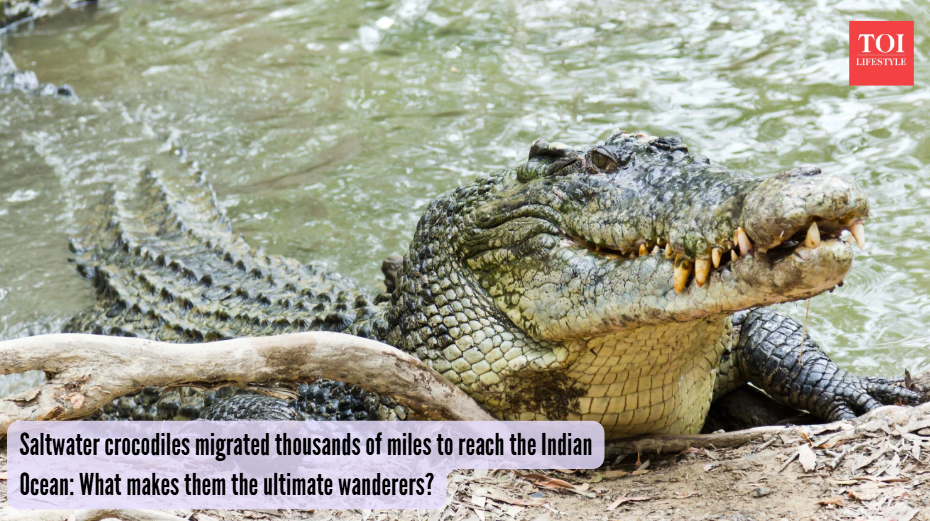
Saltwater crocodiles migrated thousands of miles to reach the Indian Ocean: What makes them the ultimate wanderers?
Saltwater crocodiles were found in Seychelles, but vanished later!
But how do crocodiles survive in salty oceans and seas?
Drifting 3,000+ kilometres
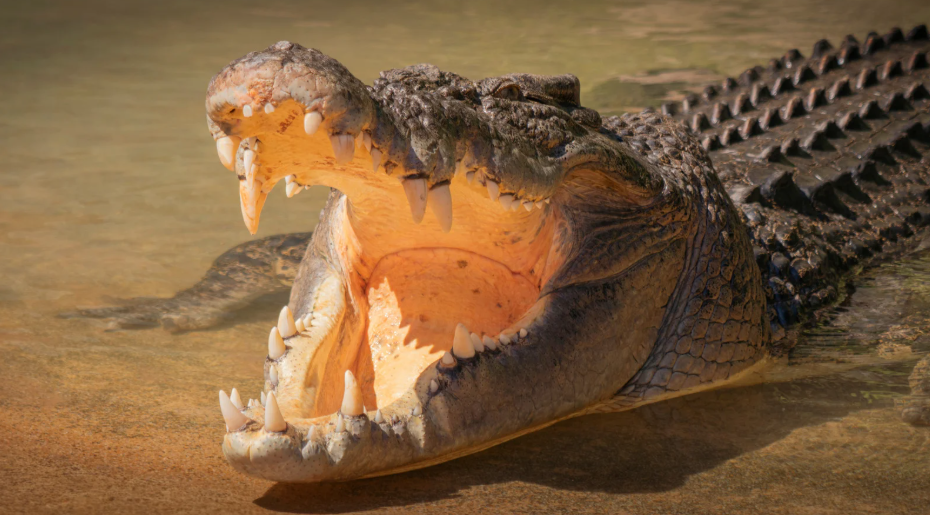
Saltwater Crocodile -Representative Image
Why crocs thrive at sea
Lessons from lost crocs
End of Article
Follow Us On Social Media
Tired of too many ads?go ad free now
lifestyle videos
Featured In Lifestyle

Tired of too many ads?go ad free now



Hot on the Web
AR RahmanAmitabh BachchanCharles FawcettBhool Bhoolaiya 3Valentine Week Calendar 2026Akashdeep SaigalR MadhavanGovindaLady Gaga QuoteGreeland SharkThe 50 Contestants ListGrammy Awards 2026 Winners ListBaby NamesMardaani 3 Box Office CollectionSanjay MishraZodiac SignsNational ParkAriana MukherjeeAkshata MurtyBorder 2 CollectionDelhi Winter FoodWilliam Wordsworth QuoteBorder 2 Movie ReviewKim TaehyungBruce LeeRalph Waldo EmersonSilent Cancer SymptomsFebruary 2026 Horoscope PredictionsFebruary Festivals 2026Dhurandhar Movie ReviewWilliam ShakespeareEric SchmidtApple Foldable iPhoneTim CookNew Fastag RuleMadagascar SpiderAnime Paradox CodesAndrej KarpathySam Altman QuoteMark ZuckerbergSamsung Galaxy s26
Trending Topics
Latest MoviesBollywood MoviesHollywood MoviesTamil Movies 2026Telugu Movies 2026Malayalam Movies 2026Kannada MoviesMarathi MoviesBengali Movies 2026Top Rated Movies 2026Best Hindi MoviesBest English MoviesBest Telugu MoviesBest Tamil MoviesBest Malayalam MoviesBest Kannada MoviesBest Bengali MoviesUpcoming Hindi MoviesBest Movies Of All TimeBest Hindi Movies of All TimeLatest English MoviesLatest Malayalam MoviesEnglish TV NewsTamil TV NewsTelugu TV NewsMalayalam TV NewsKannada TV NewsMovie ReviewsBhojpuri Cinema NewsGujarati Cinema News
Popular Categories
Viral NewsK Pop NewsWeb Series NewsAnime NewsUpcoming English MoviesUpcoming Tamil MoviesUpcoming Telugu MoviesUpcoming Malayalam MoviesUpcoming Kannada MoviesFashion TipsTravel NewsEntertainment NewsBollywood NewsTollywood NewsKollywood NewsMollywood NewsFood NewsLatest Hindi MoviesLatest Tamil MoviesParenting TipsHome RemediesWeight LossBeauty TipsParenting TipsHindi VideosHindi Video SongsBhojpuri Music VideosLatest Telugu MoviesBhojpuri Music VideoHindi TV News
Latest News
India secures 18% tariff deal with US: Infosys, Wipro stocks surge in US marketWho is Jurrangelo Cijntje? A look at his career, stats, and reported Cardinals talksDaily Shani Predictions, February 3, 2026: Old fears return for review, these zodiac signs must respond differently‘Well played, President Trump’: US Senator who wants 500% tariff for Russian oil says India has ‘earned’ reduction to 18%What’s going on with Terry Rozier? Heat star’s NBA dispute explained<b>Epstein case: Hillary and Bill Clinton to testify in House</b>‘Could have brought lakhs of people’: CM Mamata Banerjee calls Delhi visit symbolic, tells cops ‘not here for stir’TGPSC makes OTR update mandatory for upcoming recruitments: Deadline February 25, details hereFarah Khan visits Shabana Azmi's house for vlog; netizens call out cook Dilip's 'overacting,' saying, 'He was irritating'Read Elon Musk’s full memo to staff on SpaceX acquiring xAI: This marks not just the next …Who is Emily Austin? Influencer who remained seated during anti-ICE standing ovation at Grammys“One of the great artists of the world”: Roger Goodell says Bad Bunny will deliver a unifying halftime show at Super Bowl LXFog, storms and rough seas - What IMD’s early February forecast means for road trips, flights and coastal travel?Interview | ‘Simplification of processes to help faster turnaround for businesses’: Vivek ChaturvediARIRANG: BTS comeback concert at Gwanghwamun Square to stream LIVE, followed by ‘BTS: The Return’ documentary releaseNadi Astrology Daily Horoscope (February 3, 2026): Today’s Life Predictions for All 12 Zodiac SignsInterview | ‘PPPs in railways should start, Delhi station likely on the list’: V Vualnam"When you want something...": Travis Kelce retirement speculation grows after Tony Gonzalez opens up about Chiefs TE’s future