
Trending
Why is Kerala celebrating Eid early? The real reason the rest of India is a day behind
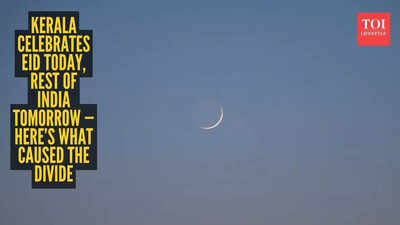
While Kerala celebrates Eid today after sighting the Shawwal crescent moon, the rest of India will observe the festival tomorrow. This timing difference arises from the traditional practice of moon sighting, with atmospheric conditions preventing a sighting in other regions, leading to a 30-day fast.
Gemini said
The geography of the moon
Why the rest of India is waiting
A Tale of Two Timelines
The spirit remains the same
- Gratitude: Being thankful for the strength to complete the fast.
- Charity: Ensuring that those less fortunate can also join in the feast.
- Unity: Connecting with neighbors, regardless of which day they started their festivities.
End of Article
Follow Us On Social Media
Tired of too many ads?go ad free now
lifestyle videos
Featured In Lifestyle

Tired of too many ads?go ad free now




Hot on the Web
Dhurandhar 2 ReviewR MadhavanEidDhurandhar 2 Box Office CollectionEid Mubarak WishesDhurandhar 2 ReviewRajpal YadavEid Moon Sighting TimingDhurandhar 2 OTTUstaad Bhagat Singh CollectionGarima Malhotra DeathNota FatehiAditya DharDhurandhar 2Dhurandhar2 Box Office CollectionEid ul Fitr 2026 Hindi ShayariPanchayat Season 5Eid 2026 DateVenus Enters AriesBaby NamesMovierulzDanish IqbalYouth Twitter ReviewDhruv RathiAamir KhanEid-Ul-Fitr 2026Aishwarya Rai Parenting LessonsHoroscope TodayNavratri Nine ColoursEid 2026 Moon Sighting TimingsToday Gold Rate in ChennaiDelhi Weather TodayDelhi AQI TodayMumbai AQI TodayMaharashtra Public Holidays 2026Aravind SrinivasJensen HuangFastag PaymentSam AltmanWorld Largest Network BotnetsSkoda Kushaq Facelift
Trending Topics
Latest MoviesBollywood MoviesHollywood MoviesTamil Movies 2026Telugu Movies 2026Malayalam Movies 2026Kannada MoviesMarathi MoviesBengali Movies 2026Top Rated Movies 2026Best Hindi MoviesBest English MoviesBest Telugu MoviesBest Tamil MoviesBest Malayalam MoviesBest Kannada MoviesBest Bengali MoviesUpcoming Hindi MoviesBest Movies Of All TimeBest Hindi Movies of All TimeLatest English MoviesLatest Malayalam MoviesEnglish TV NewsTamil TV NewsTelugu TV NewsMalayalam TV NewsKannada TV NewsMovie ReviewsBhojpuri Cinema NewsGujarati Cinema News
Popular Categories
Viral NewsK Pop NewsWeb Series NewsAnime NewsUpcoming English MoviesUpcoming Tamil MoviesUpcoming Telugu MoviesUpcoming Malayalam MoviesUpcoming Kannada MoviesFashion TipsTravel NewsEntertainment NewsBollywood NewsTollywood NewsKollywood NewsMollywood NewsFood NewsLatest Hindi MoviesLatest Tamil MoviesParenting TipsHome RemediesWeight LossBeauty TipsParenting TipsHindi VideosHindi Video SongsBhojpuri Music VideosLatest Telugu MoviesBhojpuri Music VideoHindi TV News
Latest News
Why K-drama standard is the new relationship goalNetflix announces BTS concert stream in South Korea, signals new live events era: How to watch, world tour dates, and other informationChiranjeevi to launch free education initiative for underprivileged students, inspired by Suriya's foundation - ReportsThe other side of the tech boom and what cities are doing about it‘Maharashtra Epstein Files’: Nashik astrologer rape case triggers political storm, questions raised on Rupali ChakankarApple sends 'security message' to iPhone users at risk of DarkSword spyware attackUS study finds ultraprocessed food consumption increases heart disease risk: Doctor shares foods that are healthy for the heartThousands of Chestnut‑headed Bee‑eaters paint the sky vivid in Anamalai in a viral ‘natural orchestra’ clipWWE SmackDown Tonight 20-march-2026: Full match card, confirmed segments, start timings & how to watchCentre forms expert panel to rewrite NCERT Class 8 chapter after row over 'corruption in judiciary' sectionMicrosoft launches its second generation AI-photo maker, ranks third after…Gold price today (March 20, 2026): How much 24K, 22K gold costs in Delhi, Hyderbad, Chennai & more - check ratesWhat is Llanfairpwllgwyngyllgogerychwyrndrobwllllantysiliogogogoch: The 58-letter UK village famous for Europe’s longest name and its unique landmarksSkoda Kushaq facelift India launch tomorrow: Expected price, changes explainedGudi Padwa leads Hindu new year festivities; nationalistic fervour on displayAB de Villiers reveals ‘naughty’ desire in his, Virat Kohli’s career downfallSatinder Sartaaj celebrates ‘Jaiye Sajana’ success as 'Dhurandhar: The Revenge' smashes box office recordsDhurandhar: The Revenge screening sees audience support despite delay