
Dhokla recipe mistakes: 6 common mistakes to avoid while making dhokla
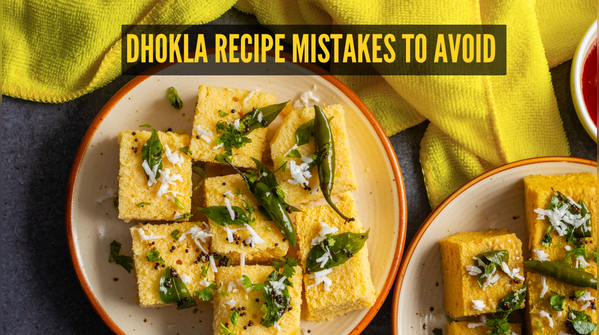
How to make soft and fluffy dhokla
With brightness similar to sunshine and softness of a cloud, Dhokla makes for little squares of comfort and taste which has now become a every household treat. Traditional and native to Gujarat, this steamed delight has a gentle tang, a whisper of sweetness, and the warmth of home kitchens where steam rises and aromas linger. But when it comes to making it at home, many people fail at getting the right texture, colour, and softness. Take a look at the common mistakes people often commit and how you can avoid these while making dhokla at home.
Ingredient quantity
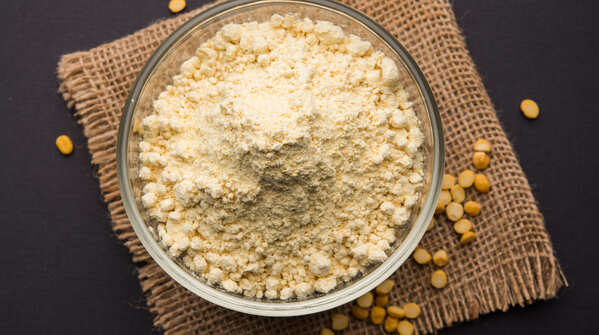
When it comes to making dhokla, it is important to pay attention to using the right quantity of ingredients. Ensure that you use a sufficient amount of besan and water. Insufficient besan can result in dhoklas lacking their distinct texture, and excessive curd can make it end up soggy.
Batter consisteny
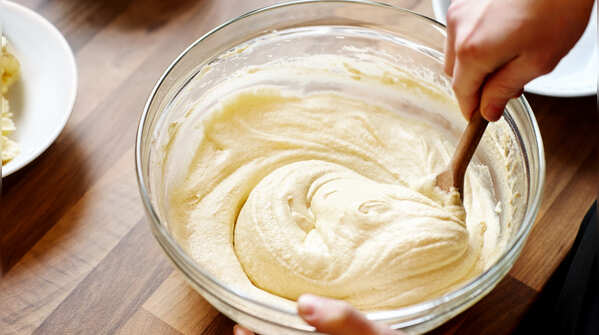
Another very common mistake people commit is not getting the batter right. A thick batter prevents proper rising, while a runny batter leads to flat, soggy dhokla. It is suggested to aim for a smooth, lump-free batter with a flowing consistency, something similar to pancake batter.
Skipping fermentation
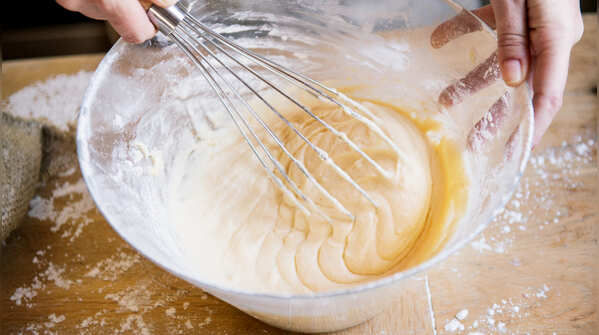
For the traditional dhokla recipe, fermentation of the batter is a key step. If the batter is not fermented correctly, it will spoil the entire dish. An under-fermented batter results in a dense and heavy texture, while over-fermentation can make it too sour.
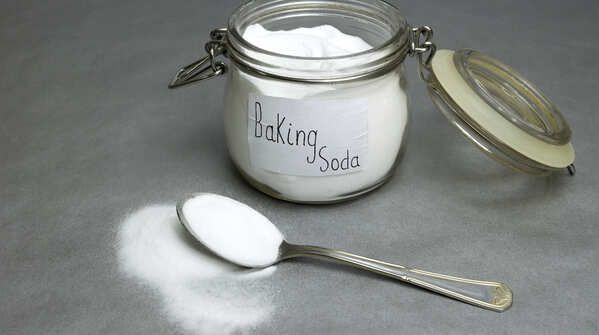
Adding too much soda
Fruit salt or baking soda helps in getting the right fluffy texture. But, adding it too early reduces its effectiveness. Also, adding too much soda makes the dhokla taste a bit bitter. Always add it just before steaming and in a very limited quantity (1/2 to 1 tsp) so that the batter rises properly.
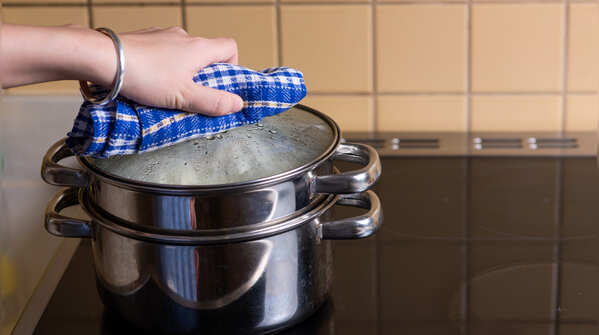
Steaming time
Steaming is a tricky game and if the dish is not steamed for the right duration, it can lead to disaster. When it comes to dhokla, always use a toothpick to check whether the dish is evenly cooked or not. If not, let it sit for a while and avoid rushing.
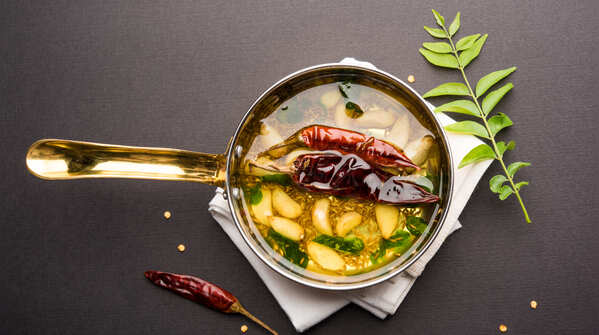
Skipping the tempering
Tempering is an integral part of the dhokla recipe and skipping it is not the right thing to do. Also, missing out on adding sugar and water to the tempering is a mistake that people often make and then complain about the taste. Make sure to prepare the traditional tempering of oil, curry leaves, green chilli, mustard seeds, sugar and water.
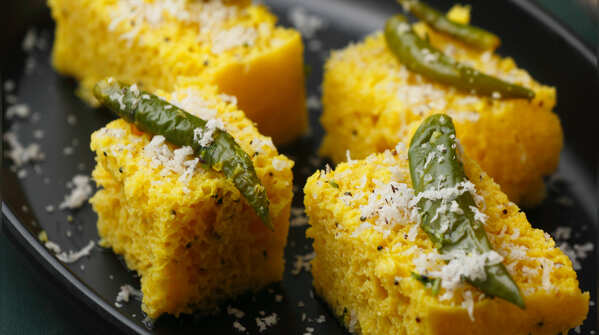
How to make classic Dhokla at home
Ingredients: 1 cup besan, 1 tbsp semolina, 1 tsp sugar, salt to taste, 1 tsp lemon juice, 3/4 cup water, 1 tsp baking soda
For Tempering: 1 tbsp oil, 1 tsp mustard seeds, 1 sprig curry leaves, 2 green chillies, ½ cup water, and 1 tsp sugar
Method
Step 1: To begin with, combine besan, semolina, salt, sugar, lemon juice, and water. Whisk until smooth and lump-free.
Step 2: In the meantime, grease a steaming tray or plate and preheat the steamer.
Step 3: Add baking soda, mix gently, and pour immediately into the prepared tray.
Step 4: Steam the dhokla for 15–20 minutes on medium heat. Use a toothpick to check if it's cooked evenly or not.
Step 5: Heat oil in a pan, add mustard seeds, curry leaves, and green chillies. Once they splutter, add water and sugar, and bring to a boil.
Step 6: Pour the tempering over the steamed dhokla. Let it soak for a few minutes. Cut into squares and serve.
Images Courtesy: istock
Featured In Food

MORE FROM ETIMES
life & style