
Trending
Did the Earth vibrate for 9 days? How the Greenland landslide pulsed the Earth worldwide for over a week
A colossal landslide in Greenland unleashed a 650-foot mega-tsunami, sending shockwaves across the globe for nine days. Seismographs detected unusual, repeating vibrations, baffling scientists until an international team linked them to the massive rock and ice collapse. This event highlights the potential risks posed by a changing climate on Earth's stability.
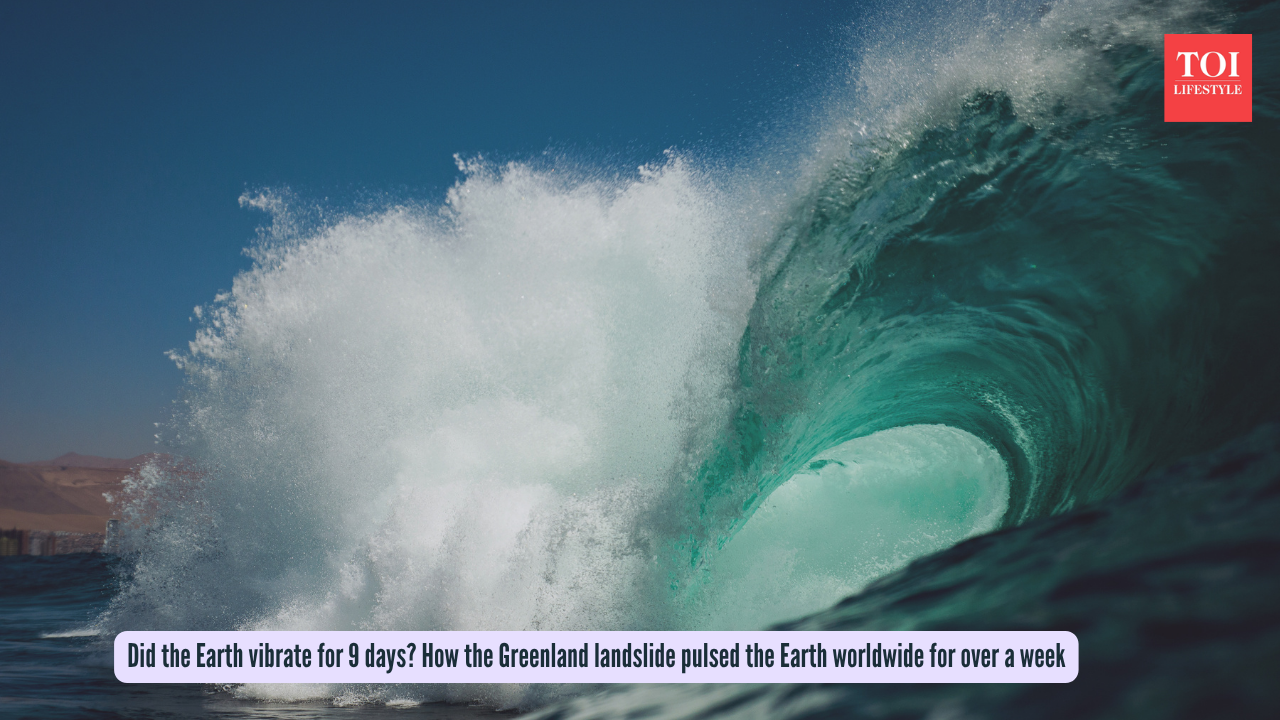
Did the Earth vibrate for 9 days? How the Greenland landslide pulsed the Earth worldwide for over a week
A massive landslide that caused a mega-tsunami
Signalling and vibrating for 9 days- But how?
Representative Image
A changing climate could be risky
End of Article
Follow Us On Social Media
Tired of too many ads?go ad free now
lifestyle videos
Featured In Lifestyle

Tired of too many ads?go ad free now




Hot on the Web
Ramayana TeaserHanuman Jayanti 2026Nasa Artemis iiHanuman Jayanti MessagesRamayana Teaser Live UpdateHanuman Jayanti WishesViveck VaswaniTooth Enamel ProtectionVegetarian Friendly CountriesDhurandhar 2 Box Office CollectionTarun Mishra StoryJennifer MistryChef Sanjeev KapoorSnake Hole vs Rodent HoleMark TwainRam Gopal VarmaDhurandhar 2 ReviewSourav Ganguly biopicUstaad Bhagat Singh CollectionRanbir KapoorStrawberries Growing TipsCardi BDhurandhar 2 CollectionAkshay KumarApril Pink MoonVicky KaushalMovierulzAadu 3 Box Office CollectionHoroscope TodayArtemis 2Today Gold Rate in ChennaiDelhi Weather TodayDelhi AQI TodayMumbai AQI TodayMaharashtra Public Holidays 2026Israel Secret AIApple iPhone 18 ProMassive x1.4 Solar FlareGarena Free Fire MAX Redeem CodesKitkat Bars Stolen In EuropeBasketball Zero Codes
Trending Topics
Latest MoviesBollywood MoviesHollywood MoviesTamil Movies 2026Telugu Movies 2026Malayalam Movies 2026Kannada MoviesMarathi MoviesBengali Movies 2026Top Rated Movies 2026Best Hindi MoviesBest English MoviesBest Telugu MoviesBest Tamil MoviesBest Malayalam MoviesBest Kannada MoviesBest Bengali MoviesUpcoming Hindi MoviesBest Movies Of All TimeBest Hindi Movies of All TimeLatest English MoviesLatest Malayalam MoviesEnglish TV NewsTamil TV NewsTelugu TV NewsMalayalam TV NewsKannada TV NewsMovie ReviewsBhojpuri Cinema NewsGujarati Cinema News
Popular Categories
Viral NewsK Pop NewsWeb Series NewsAnime NewsUpcoming English MoviesUpcoming Tamil MoviesUpcoming Telugu MoviesUpcoming Malayalam MoviesUpcoming Kannada MoviesFashion TipsTravel NewsEntertainment NewsBollywood NewsTollywood NewsKollywood NewsMollywood NewsFood NewsLatest Hindi MoviesLatest Tamil MoviesParenting TipsHome RemediesWeight LossBeauty TipsParenting TipsHindi VideosHindi Video SongsBhojpuri Music VideosLatest Telugu MoviesBhojpuri Music VideoHindi TV News
Latest News
Hair regrowth: How to do the best scalp massage for hair regrowth in bald spotsIPL 2026 Preview: KKR vs SRH match predicted playing XI, pitch report, weather forecast and match predictionWhy your digestion feels different even without diet changes: Doctor explains causes and simple ways to fix itInside Mohanlal’s life as a father of two: Parenting lessons for modern parentsRahul death: FIRs planned, judicial inquiry demandedMario Kart World update adds Bob-omb Blast battle mode, major item balance changes, and gameplay fixesHealth cover switch sounds easy — until you try itSIMATS and Times of India mark Women’s Day event with awards, Nehwal address'Ramayana' called India's 'Lord of the Rings': Producer Namit Malhotra admits Ranbir Kapoor starrer has 'scale' of Hollywood films including 'Avatar', 'Gladiator'3 teens on way to attend wedding die as motorcycle hits truck in UttarakhandChatGPT comes to CarPlay with iOS 26.4, supports voice-only interaction'Complete breakdown of law & order in Bengal': SC after judicial officers were held hostage for hours over SIR deletion‘Cheated us’: Messi, Argentina team face serious allegations from Kerala MinisterBengaluru techie dies by suicide after baby drowns in bucketOverseas investors get tax respiteWhat the criticism of @lifeofpujaa says about us and how we thinkNTA JEE Mains admit card released for April 5 to 8 papers: Direct link to download hall tickets hereAnne Hathaway’s one major condition for The Devil Wears Prada 2 will make you respect her even more