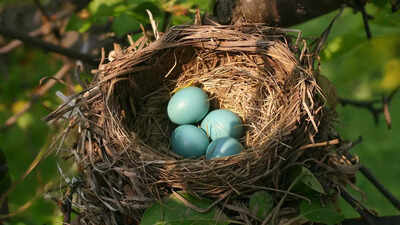
While most birds carefully nurture and protect their young, some species have evolved a more unconventional approach. Known as "brood parasites," these birds lay their eggs in the nests of other species, leaving the unsuspecting hosts to raise their offspring. Using tactics ranging from subtle deception to aggressive bullying, these parasitic birds ensure their survival by manipulating other birds into taking on the responsibility of incubation and care. In this article, we explore five remarkable birds that rely on other species to hatch and raise their young, offering a fascinating glimpse into the world of parasitism in nature. These strategies showcase nature’s complexity, where survival often depends on cunning, adaptation, and exploiting the instincts of unsuspecting foster parents.
5 cunning birds that lay eggs in other species’ nests
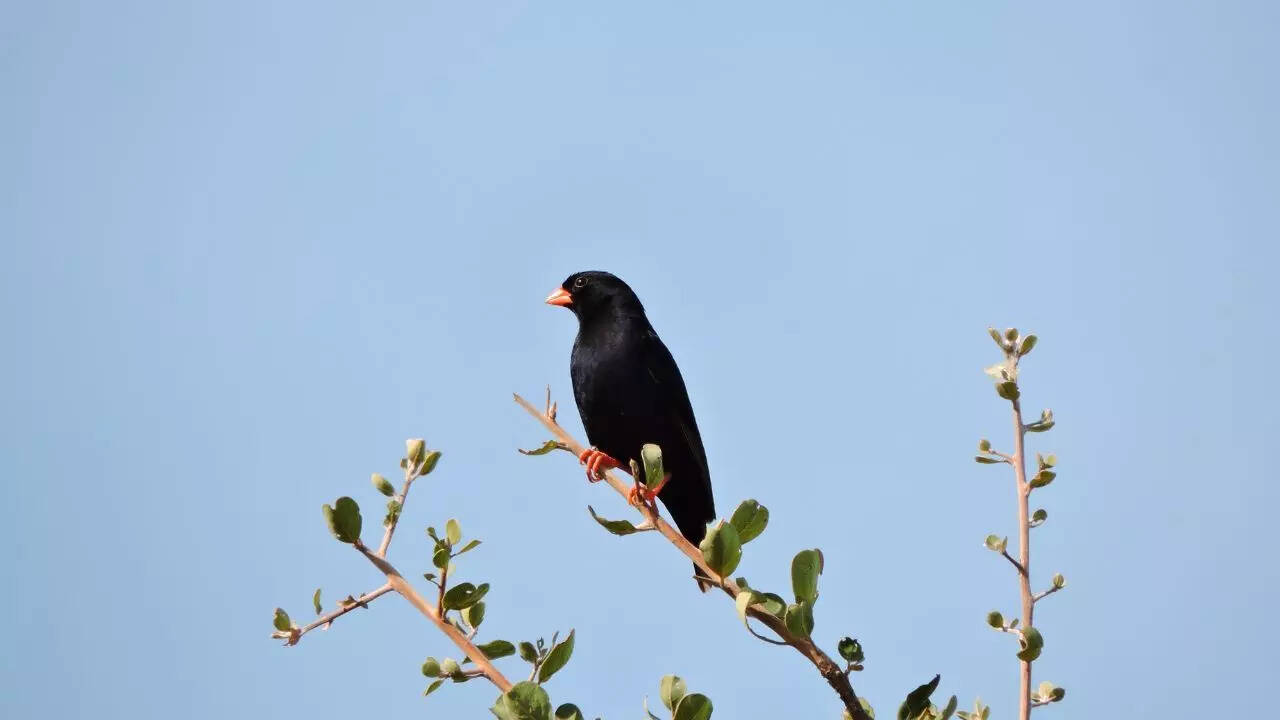
Indigobird
Native to Africa, the indigobird belongs to the Viduidae family and is a master of parasitism. These birds lay their eggs in the nests of estrildid finches, particularly fire finches. Unlike other brood parasites, indigobirds don't necessarily destroy the host's eggs. Instead, they simply mix their eggs with those of the host, often fooling the host into incubating them. The eggs of indigobirds are similar in size and appearance to those of the fire finch, which makes it difficult for the host to differentiate between its own eggs and those of the indigobird.
Once hatched, the indigobird chicks imitate the vocalisations of their host species, ensuring they are accepted by the adult finches. Interestingly, this mimicry extends beyond calls; indigobird chicks may also replicate certain feeding behaviours of their hosts, further enhancing their survival chances and integrating seamlessly into the host family. This clever strategy showcases the remarkable adaptability and intelligence of indigobirds in exploiting their hosts. This behaviour not only helps the indigobird chick survive, but it also ensures the continuation of its parasitic nature.
What makes them even more fascinating is how tightly their survival is tied to deception, turning mimicry into an evolutionary art form. In many ways, indigobirds remind that survival in the wild is not only about strength, but also about strategy and subtlety.
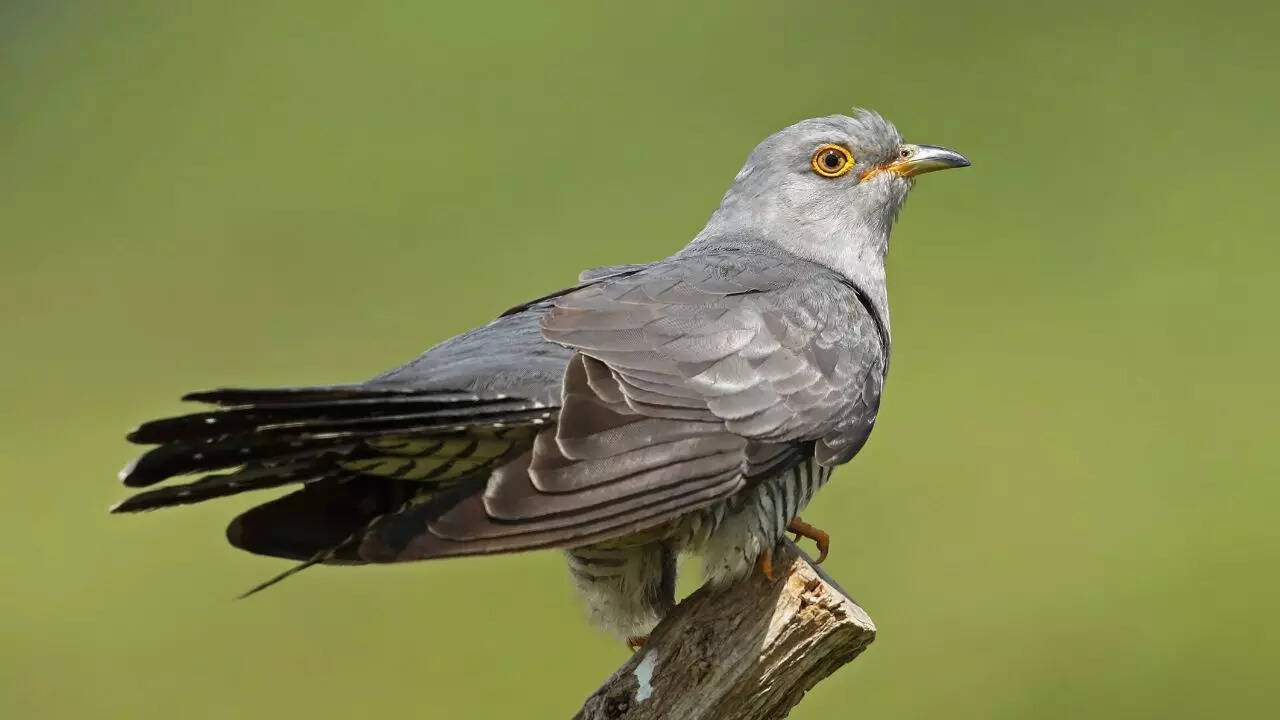
Common Cuckoo
Perhaps the most famous brood parasitic bird is the common cuckoo (Cuculus canorus). Found throughout Europe, Asia, and parts of Africa, the common cuckoo is known for its remarkable ability to mimic the calls of predators like the sparrowhawk. By doing so, the cuckoo is able to access the nests of over 100 different host species, including warblers, robins, and pipits. Once the cuckoo female lays her egg, the cuckoo chick, upon hatching, will often push the host's eggs or chicks out of the nest, ensuring it has exclusive access to the food provided by the host. This aggressive strategy ensures the cuckoo chick’s survival, while the host’s young are left to perish. Cuckoos may lay eggs in multiple nests throughout the breeding season, further increasing the chances of their offspring surviving. This complex parasitic behavior has evolved over millennia, illustrating a striking example of coevolution between cuckoos and their host species. In response, some host birds have developed egg recognition, mimicry-resistant patterns, and defensive behaviours to counteract cuckoo intrusion, demonstrating the dynamic evolutionary arms race in nature.
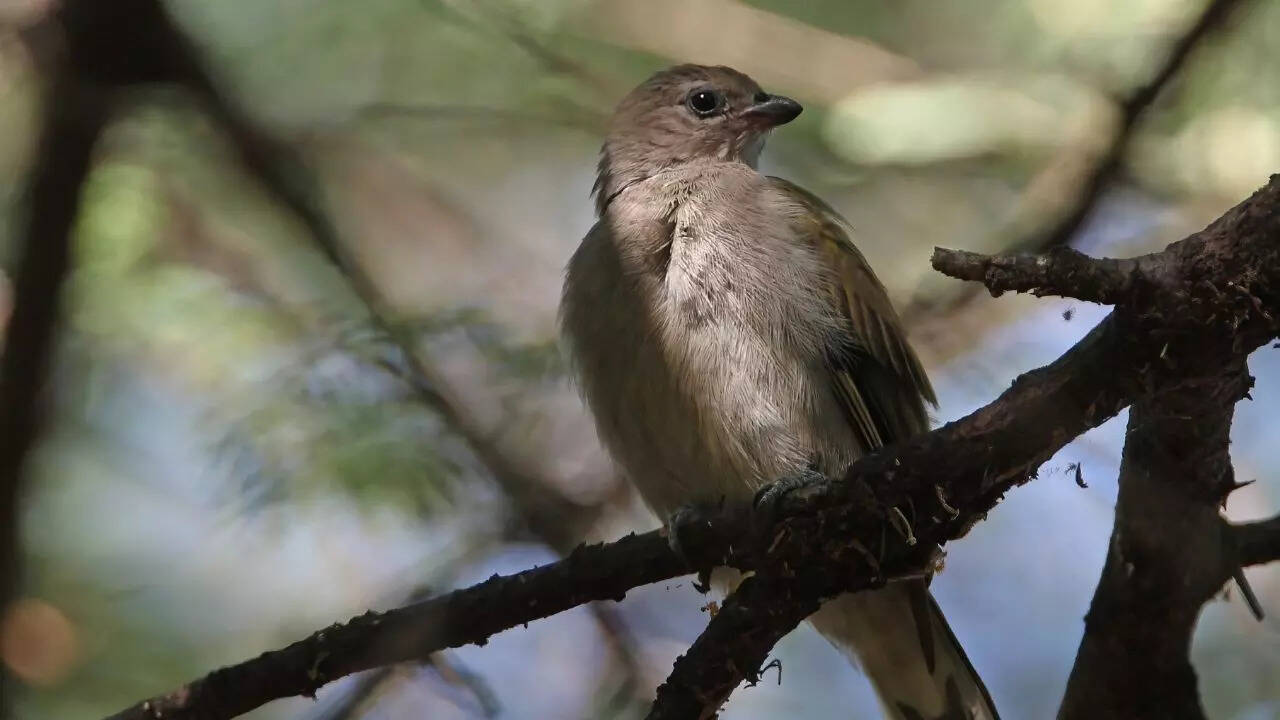
Honeyguide
Honeyguides are unique birds found in Africa, Asia, and the Himalayas. While they are best known for leading humans to beehives to feed on beeswax and grubs, many honeyguide species are also brood parasites. Female honeyguides lay their eggs in the nests of various birds, including white-eyes, warblers, and starlings. They employ a strategy of laying eggs in multiple nests to spread the risk and ensure some of their offspring survive. Upon hatching, the honeyguide chick often uses its sharp, hooked beak to kill the host's young or destroy the host's eggs. In some cases, honeyguides also compete with other parasitic chicks in the same nest, intensifying the struggle for survival. This behavior ensures that the honeyguide chick has access to all the food provided by the host birds, giving it a better chance of survival. Interestingly, this parasitic behaviour resembles that of cuckoos, making honeyguides one of the few bird groups to adopt such a strategy. Their unusual relationship with both humans and host birds makes them an exceptional subject of study in avian behaviour and evolution. Some researchers suggest that this dual role—cooperation with humans and parasitism of birds—makes honeyguides one of the most paradoxical species in the animal kingdom. Their behaviour highlights how survival strategies can be both beneficial and destructive depending on the context.
Southern California mountains: Bald eagle love? Birds with eggs in nest tap beaks
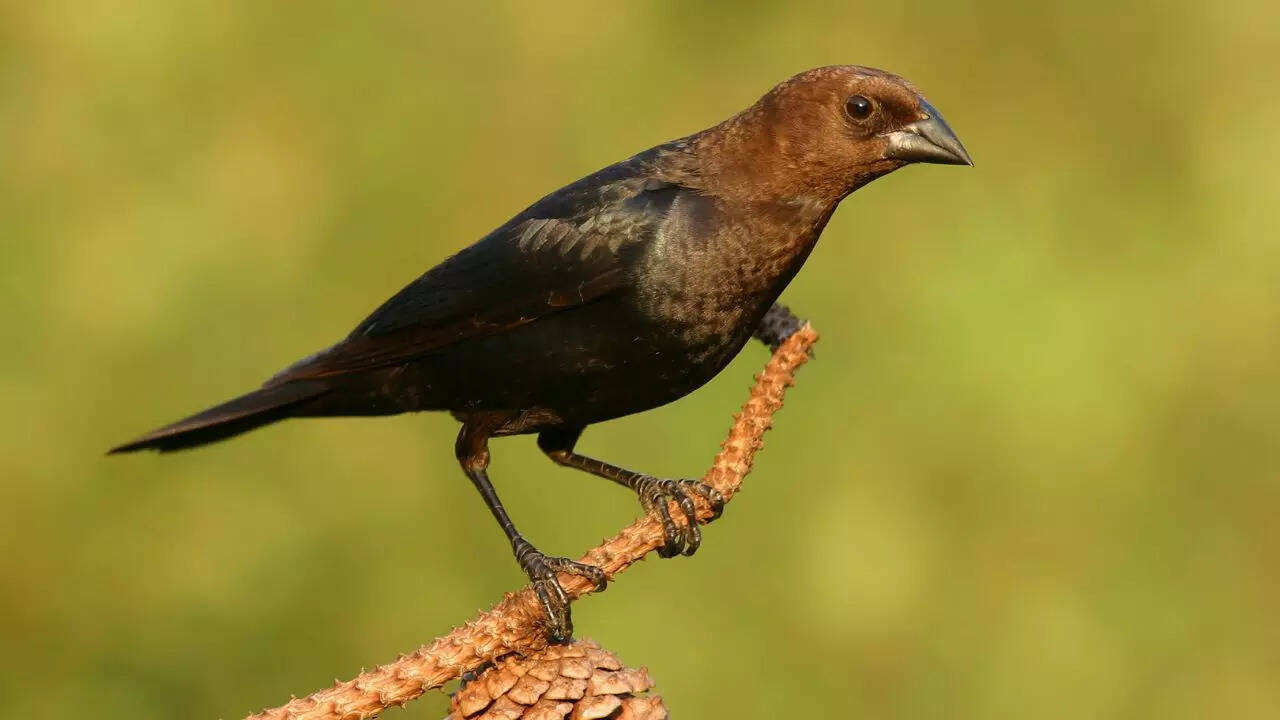
Brown-headed Cowbird
The brown-headed cowbird (Molothrus ater) is one of the most notorious brood parasites in North America. This small bird is known to lay its eggs in the nests of over 220 species, making it one of the most adaptable and widespread parasitic birds. Female cowbirds typically lay their eggs in the nests of smaller songbirds, such as robins and hummingbirds. Cowbirds have evolved remarkable strategies to avoid detection, including mimicking the appearance and timing of host eggs, ensuring higher survival rates for their offspring while often reducing the reproductive success and survival chances of the unsuspecting host species. They also exploit fragmented habitats and suburban areas, taking advantage of nest availability near human settlements, which further amplifies their impact on local bird communities. Their adaptability has allowed them to thrive in human-altered landscapes, expanding their range, disrupting delicate ecological balances, and posing long-term challenges to native bird populations and overall biodiversity.
Once the cowbird egg hatches, the young cowbird often grows faster than the host’s chicks and is better at securing food, leading to the host's young often starving. In some cases, if the host bird detects the cowbird’s egg, it may reject it, but the cowbird will retaliate by destroying the host’s eggs. Despite this, many species unknowingly care for the cowbird chick until it is mature enough to leave the nest. This complex parasitic behaviour has significant ecological impacts, influencing the population dynamics of host species and shaping the evolution of defensive strategies among songbirds. Over time, these interactions can drive adaptations such as egg mimicry, altered nesting behaviours, and increased vigilance, highlighting the intricate co-evolution between parasites and their hosts.
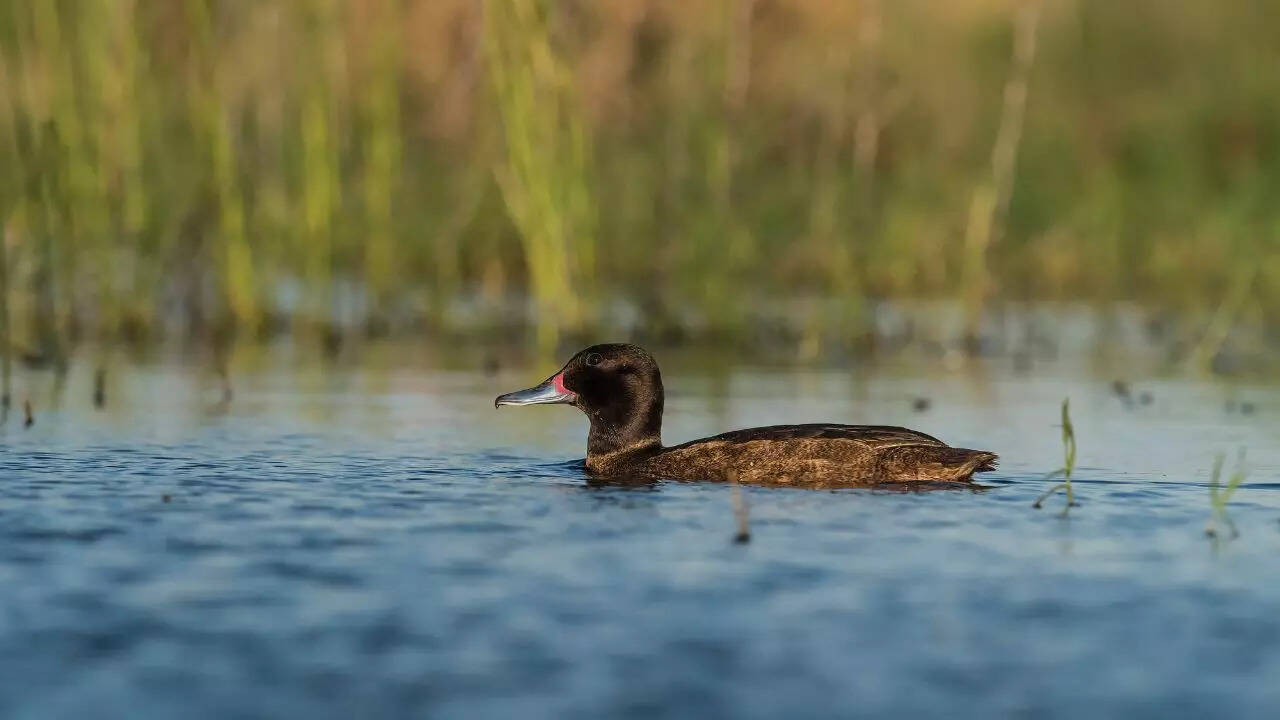
Black-headed Duck
The black-headed duck, native to South America, is a relatively peaceful brood parasite compared to some of the more aggressive species. Females of this species lay their eggs in the nests of ducks, coots, and occasionally gulls. Unlike other brood parasites, the black-headed duck's offspring do not harm the host's young. Instead, the chicks are capable of fending for themselves soon after hatching, and they leave the nest shortly thereafter. This non-aggressive parasitic strategy is rare and sets the black-headed duck apart from others that rely on aggressive tactics to secure their survival. Researchers continue to study this species to understand how environmental factors and predator pressures may have influenced the evolution of this gentle reproductive behaviour. The ducklings do not require extended care from the host, allowing the host's offspring to thrive alongside them. This unique approach reduces competition for resources in the nest and demonstrates an unusual evolutionary adaptation among parasitic birds, highlighting the diversity of survival strategies in waterfowl. By minimising conflict with host species, the black-headed duck demonstrates how cooperation and independence can evolve in parallel, offering insight into the complex relationships that shape avian reproductive strategies.
These five birds provide a fascinating glimpse into the diverse and sometimes ruthless world of brood parasitism. While their tactics may seem deceptive or even cruel, these birds have evolved to ensure the survival of their species, often at the expense of others. They lay their eggs in the nests of other birds, leaving unsuspecting hosts to incubate and feed the chicks, a strategy that maximises reproductive success while minimising parental effort. Brood parasites often display remarkable adaptability, from mimicking host eggs to timing their laying precisely, showcasing the intricate evolutionary arms race between species.
Their behaviours also influence host evolution, driving changes in nest vigilance, egg recognition, parental aggression, and defensive strategies, ultimately shaping ecological balances and biodiversity across generations through a constant cycle of adaptation and counter-adaptation. These interactions also offer valuable insights for scientists studying evolution, species resilience, and ecosystem dynamics, helping us understand the broader impact of such specialised survival strategies. This extraordinary interplay highlights the complexity of avian life, revealing not only survival strategies but also how competition and cooperation continually redefine relationships in the natural world, fostering greater ecological stability, promoting genetic diversity, and providing models for understanding environmental challenges and species adaptability in rapidly changing habitats.
Also Read: 12 types of ants you are most likely to see at home or on a picnic