
- News
- etimes
- animals-pets
- The 7 most venomous sea snakes in the world
The 7 most venomous sea snakes in the world
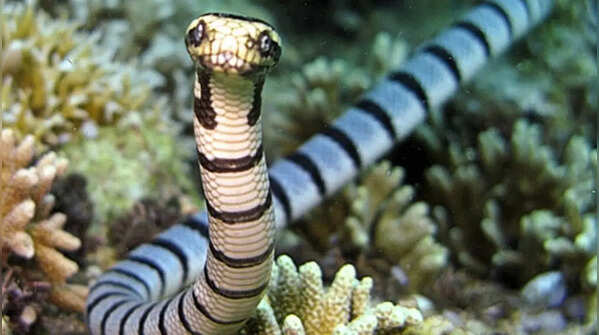
The most venomous sea snakes in the world
Out in the open ocean, danger doesn’t call attention to itself. You won’t hear any warning rattles or flashes of aggression — just the quiet, smooth movement of creatures gliding through the water. Sea snakes are some of those silent hunters. Most people don’t know much about them, and that’s surprising because these snakes are among the most venomous animals on the planet.
You’ll find sea snakes in the warm waters of the Indian and Pacific Oceans. They’re built for life underwater: sleek bodies, flattened tails for swimming, and the lung power to stay submerged for ages. But what really sets them apart is what you can’t see: their venom. Drop for drop, it’s some of the most powerful stuff out there.
Why so dangerous? Sea snakes live in places where their prey (mostly fish) are quick to escape. So over time, these snakes developed venom that acts in seconds, shutting down nerves and muscles almost instantly. It’s perfectly designed for catching fish, not for hurting humans.
But here’s the twist: even though sea snakes pack some serious venom, they’re usually not aggressive at all. Most of the time, if a sea snake bites, it’s a “dry bite” where no venom is released. And actual bites are pretty rare.
But when venom does enter the picture, things get serious fast. It can cause paralysis, muscle breakdown, trouble breathing — all the works.
So, which sea snakes are the deadliest? And what’s behind their power? Here are seven of the most venomous sea snakes in the world—a reminder that in the ocean, the most dangerous threats are the ones you barely notice.
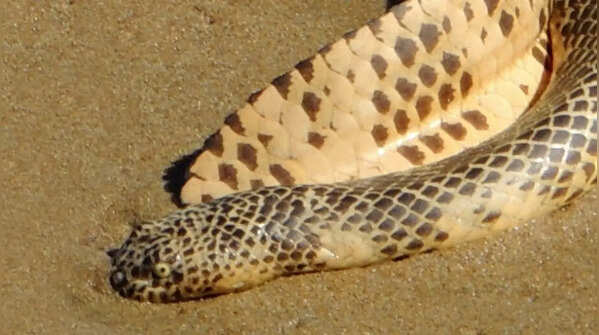
Dubois’ Sea Snake (Aipysurus duboisii)
Ask any scientist, and Dubois’ sea snake is almost always named as the world’s most venomous sea snake. Per the Environmental Literacy Council, tests show its venom is off the charts in terms of potency. You’ll find it in the waters near Australia, Papua New Guinea, and New Caledonia, often around reefs or shallow coastlines. Even with its fearsome bite, Dubois’ sea snake prefers to keep its cool. It’s not aggressive at all, which kind of flips the script on what you might expect from something so dangerous.
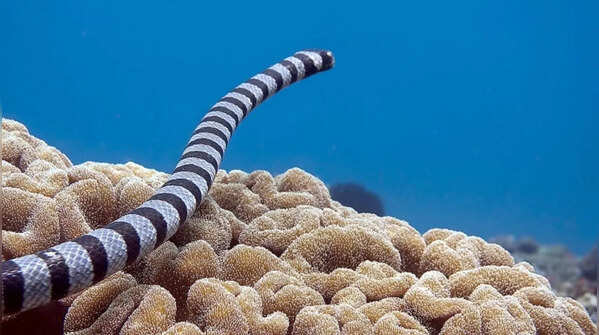
Belcher’s Sea Snake (Hydrophis belcheri)
This is the sea snake that gets the most hype, often said to be “the most venomous snake in the world.” That’s a stretch, but its venom is still incredibly strong. It lives in the tropical waters of Southeast Asia and northern Australia, slim and banded, easy to recognize if you know what to look for. Sure, its venom is potent, but it almost never bites people. Even when it does, it usually doesn’t inject much venom. Its fearsome rep is way bigger than the risk it actually poses to most folks.
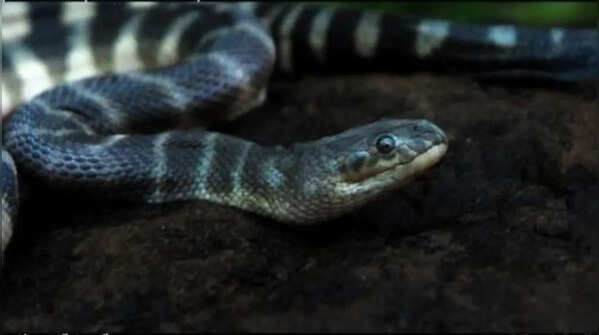
Beaked Sea Snake (Hydrophis schistosus)
The beaked sea snake is less shy than most. It shares space with fishermen and often gets scooped up in nets, which is one reason why it’s linked to more bites than any other sea snake. Its venom is a nasty combination of neurotoxins and myotoxins, leading to quick paralysis and muscle breakdown if someone doesn’t get treatment fast. Out of all sea snakes, this is the one that’s truly a real-world danger, especially in places where people work with the water.
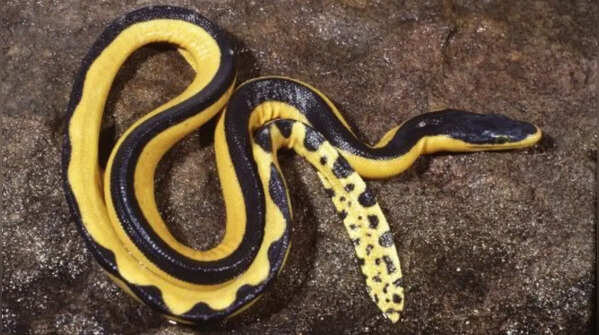
Yellow-Bellied Sea Snake (Hydrophis platurus)
You might call this one the ocean’s most traveled snake. The yellow-bellied sea snake is found almost everywhere, drifting with the currents far from shore. Its venom hits hard, attacking muscles and nerves, and in bad cases, can lead to paralysis. Since it spends its whole life in open water and is so widely spread, this species is the sea snake people are most likely to run into just about anywhere tropical seas stretch.
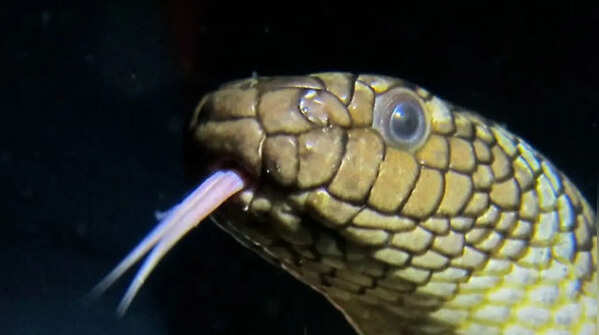
Olive Sea Snake (Aipysurus laevis)
If you go diving in Australia, especially around the Great Barrier Reef, you’re likely to spot the olive sea snake. It’s striking to look at, but not something you want to mess with. Its venom is extremely toxic, but it’s not aggressive unless it’s provoked. Divers see them all the time, but bites are really rare. Again, proof that sea snakes aren’t looking for trouble with humans.
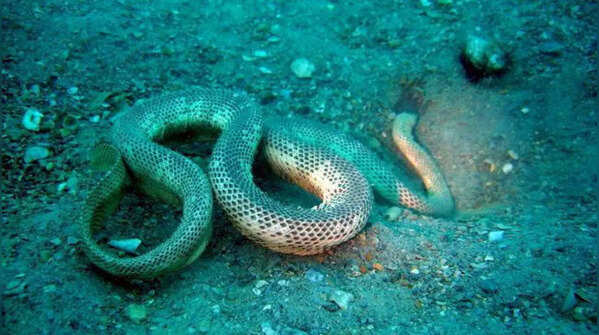
Peron’s Sea Snake (Hydrophis peronii)
This snake lives in the Indo-Pacific and is another one with impressively strong venom. It’s got a neat trick too — special receptors that let it sense light through its skin, helping it make sense of its surroundings underwater. Like others on this list, its venom targets nerves, making it a very efficient predator.
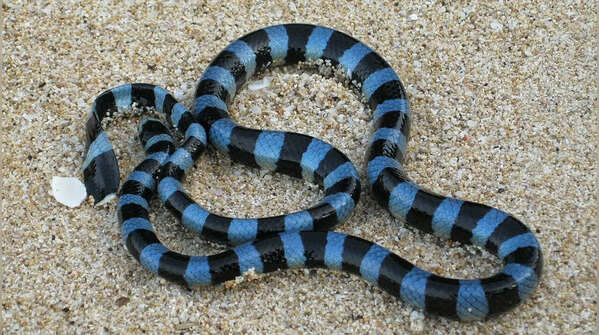
Blue-Lipped Sea Krait (Laticauda laticaudata)
Okay, this one’s a bit different. The blue-lipped sea krait isn’t always in the water—it splits its time between land and sea. Its venom is incredibly strong, even more so than most land snakes, but it doesn’t have the fiery attitude to match. It’s calm enough that in some places, locals hardly give it a second look. Still, make no mistake, you should always show these snakes respect.
Featured In etimes

