
- News
- etimes
- animals-pets
- Meet the unexpected animals that can grab, grip and climb like humans
Meet the unexpected animals that can grab, grip and climb like humans
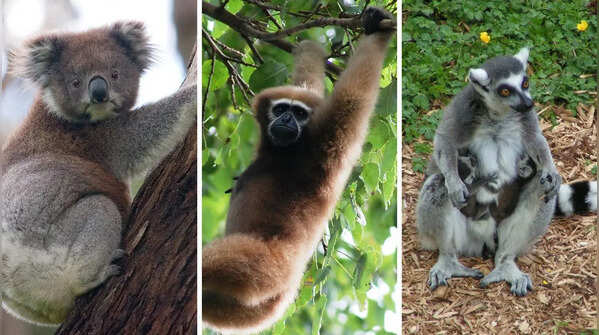
Meet the unexpected animals that can grab, grip and climb like humans
Although we commonly think of opposable thumbs being associated with humans due to how we use them for dexterity and tool-making, this is not the only example of evolution having created opposable thumbs. Several other species besides primates have developed a wide variety of specialised grasping mechanisms due to evolving from different species of animals, such as marsupials in Australia, nocturnal primates in Asia and amphibians in South America. These animals have learned to use their opposable thumbs to create tools, climb up trees to get food and hold onto their food while they eat; thus, the ability to grasp is an important part of their ability to survive. Discovering how each species is able to use its opposable digits to survive in its many different and complex habitats is the main purpose of studying these animals and understanding how they adapt to their environment.
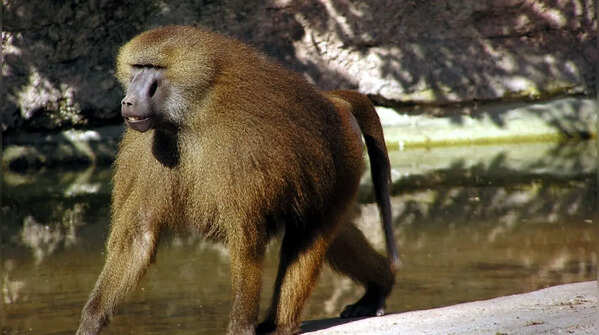
Baboons
A different kind of primate found throughout Africa and on the Arabian Peninsula also have an excellent opposing thumb system that is used for manipulating small items similar to the human opposing thumb system, which allows to get very good at using tools to capture, extract or prepare food and, at times, to use them for aggressive interactions with other individuals (like all primates do) and conserve energy because the hand can hold the tool while doing these types of activities.
PC: Wikipedia
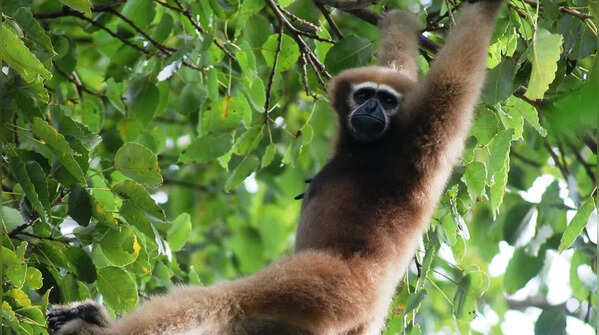
Gibbons
Gibbons have two opposable thumbs and two opposable big toes, which provide a very distinct method of manipulating and utilising objects, such as when the gibbon's human form of use (the lesser apes) will be able to hold onto an object by using both of their hands and both of their feet.
PC: Wikipedia
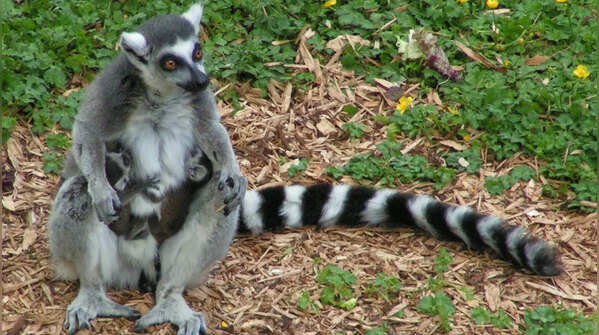
Lemurs
Lemurs have a uniquely identifiable quality: an opposing thumb (both hands) and an opposing toe (both feet). The four fingers of the lemurs are long enough that they can hold onto an object in a very secure manner as they travel through the trees. Many lemurs are strong; there are lemur species capable of lifting 10 times their weight.
PC: Wikipedia
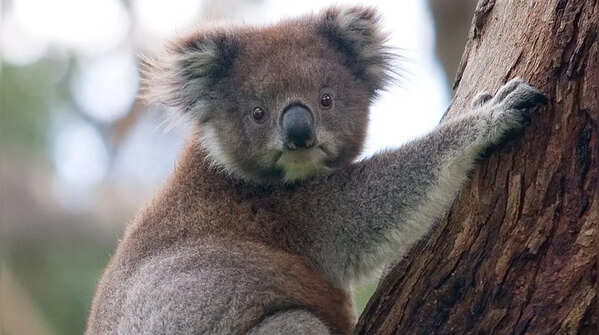
Koalas
Koalas have an additional opposing thumb (two total) that allows them to hold on to and cling to the eucalyptus tree. The Koalas have developed this trait because they only live in trees, and it provides them with the ability to safely cling to the branches of the eucalyptus. The only other species (besides humans) that have opposing thumbs are these animals are the Koalas; both of these species have unique individual fingerprints.
PC: Wikipedia
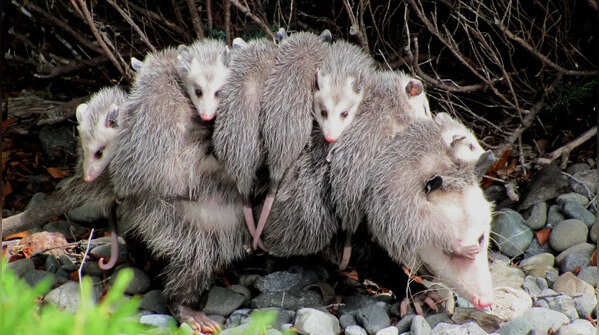
Opossums
Marsupials known as Opossums lack opposable thumbs on their hands but instead have an opposing thumb on their foot, which allows them to effectively groom themselves while they climb. Opossums' back feet have four toes/fingers that all have equal spacing from one another, whereas their front feet have five evenly spaced fingers. In addition to being able to grasp onto branches with their toes, the opposing big toe (hallux) on their back feet helps them hold onto branches as well as make it easier for them to groom themselves.
PC: Wikipedia
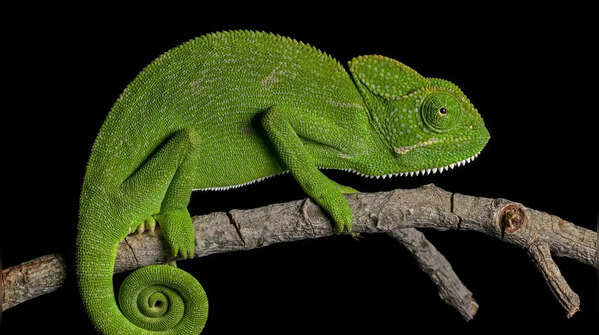
Chameleons
Chameleons can climb trees with precise and steady grips because of their specialised feet. On each of their feet, chameleons have several toes that oppose one another because they are grouped into sets of like toes (2 or 3) that oppose one another. The structure of this foot allows chameleons to have two opposing bundles of toes in addition to the presence of very sharp claws.
PC: Wikipedia
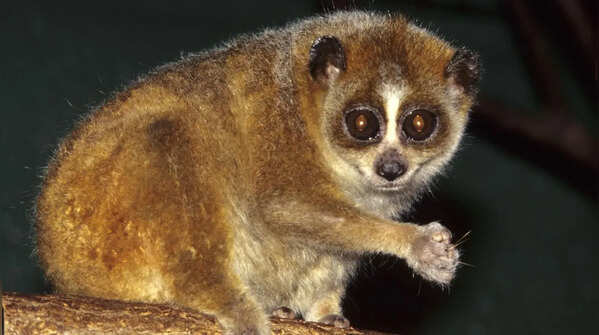
Slow Lorises
The Slow Loris is the only primate that is known to have venom and to use venom to defend itself. Similar to all other primates, the Slow Loris has opposing thumbs and large hands/feet. The Slow Loris is an excellent climber and very rarely goes to the ground for any reason other than to defecate. Most of its time is spent in the canopy.
PC: Wikipedia
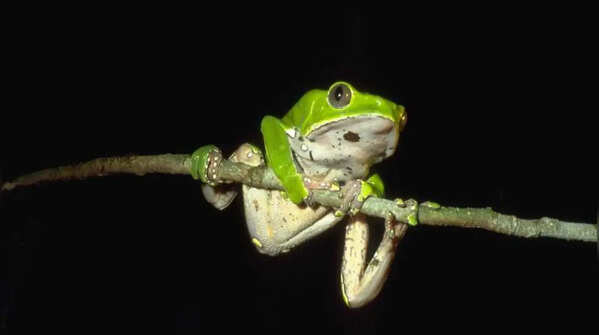
Waxy Monkey Tree Frogs
The Waxy Monkey Tree Frog is a rare amphibian that has been found in South America and has the ability to climb along the branches of trees rather than hop as a typical frog would. Because this frog possesses an opposable thumb, it has evolved in a way that demonstrates the evolution of climbing or arboreal locomotion, justifying its name of ‘monkey’ in its common name.
PC: Wikipedia
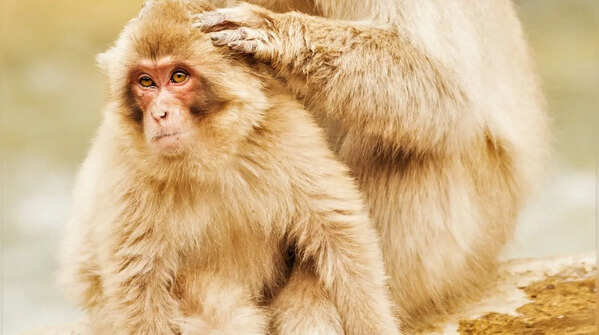
Macaques
As the only primate genus in the world other than humans, macaques can be found living in many different environments all over Asia and North Africa. Macaques have fully opposable thumbs, allowing them to have fine motor skills to manipulate objects with a high degree of precision during their daily activities.
PC: Wikipedia
Featured In etimes

