
- News
- etimes
- animals-pets
- King Cobra can do THIS? 9 shocking facts about the deadly snake
King Cobra can do THIS? 9 shocking facts about the deadly snake
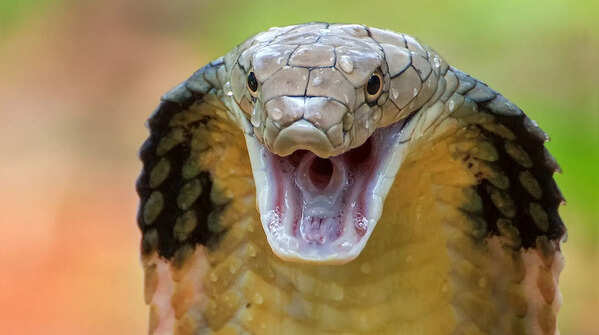
From growling sounds to eating other snakes: 9 shocking King Cobra facts
The King Cobra is one of those animals people think they already know. Most know it is dangerous, huge, and feared across forests in Asia. But once you actually start learning about this snake, things become far stranger than most wildlife documentaries show.
From building nests like birds to standing eye-level with humans, the King Cobra is full of surprises. And despite its terrifying reputation, many of its behaviours are still misunderstood.
Here are 9 shocking facts about the King Cobra that make it one of the most fascinating reptiles on Earth.
Images: Canva (for representative purposes only)
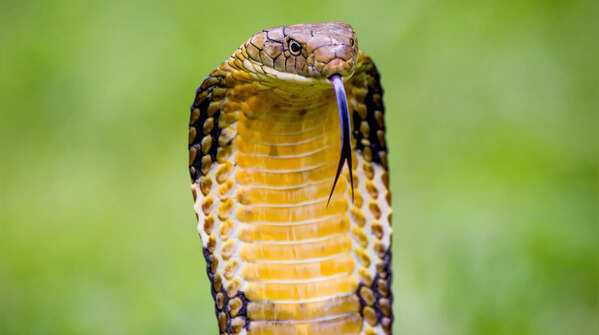
It is the world’s longest venomous snake
The King Cobra can grow up to 18 feet long, making it the longest venomous snake in the world. That is longer than many cars. Some rare specimens have reportedly crossed that mark in the wild.
What makes this even more terrifying is that it can lift nearly one-third of its body off the ground. In some cases, a fully grown King Cobra can stand tall enough to look an adult human directly in the eye.
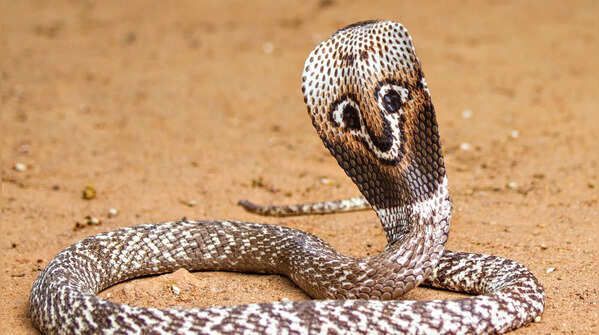
It mostly eats other snakes
Unlike many snakes that hunt rats, frogs, or birds, the King Cobra mainly survives by eating other snakes. This includes rat snakes, pythons, kraits, and even venomous cobras.
Yes, a cobra eating another cobra is completely normal in the wild.
In fact, if food becomes scarce, King Cobras have also been known to attack and eat smaller King Cobras.
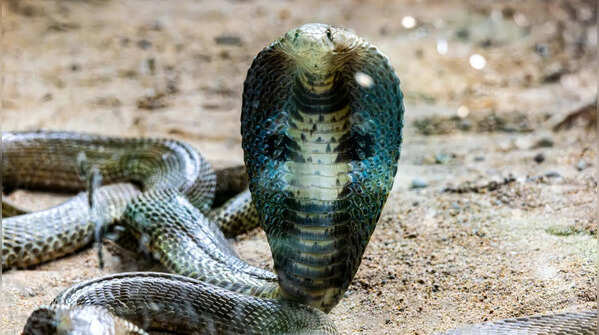
Its venom is powerful enough to kill an elephant
The King Cobra does not have the most toxic venom among snakes, but what makes it deadly is the amount of venom it injects in a single bite.
A large King Cobra can release enough venom to kill an elephant within hours. In humans, a serious bite can shut down the respiratory system if medical help is not given quickly.
The venom mainly attacks the nervous system, causing paralysis and breathing failure.
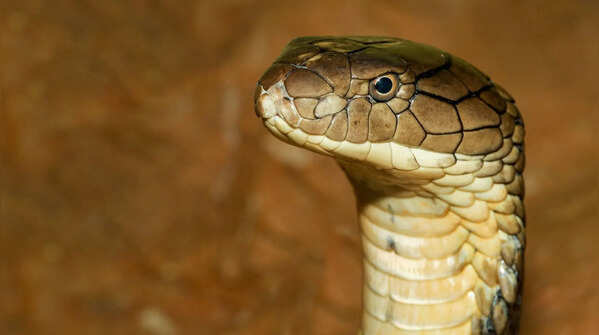
It can “growl”
Most snakes hiss. The King Cobra does something far more unsettling.
When threatened, it produces a deep, low-frequency growl-like hiss that sounds almost unnatural. Researchers believe this happens because of its unique respiratory structure, which allows it to create a much deeper sound than most snakes.
Many people who have heard it in real life say the sound is more terrifying than the snake’s appearance itself.
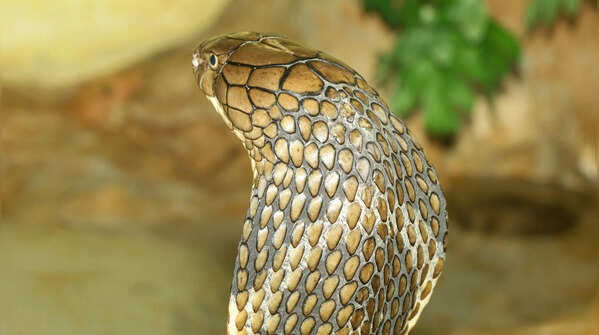
It builds nests like birds
This is one of the rarest behaviours ever seen in snakes.
Female King Cobras actually build nests using leaves and forest debris before laying eggs. They carefully pile up vegetation and stay near the nest to guard it from predators.
Very few snakes in the world show this kind of parenting behaviour.
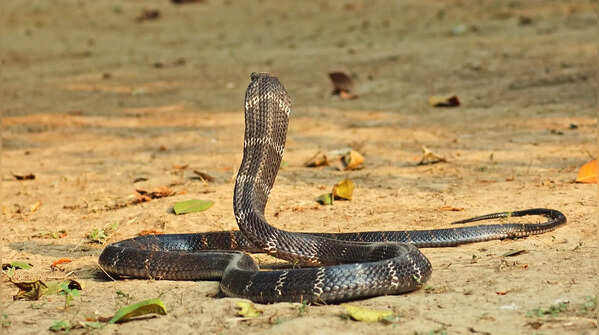
A mother King Cobra guards her eggs aggressively
Most snakes lay eggs and disappear. The King Cobra does the opposite.
The female often stays close to the nest for weeks, protecting the eggs until they are about to hatch. During this period, she becomes extremely defensive and dangerous if disturbed.
Wildlife experts often consider nesting females among the most unpredictable King Cobras to encounter.
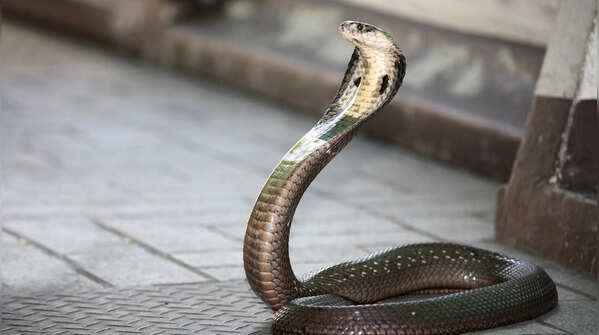
Baby King Cobras are dangerous from day one
Many baby animals are harmless. Baby King Cobras are not.
Even hatchlings carry fully potent venom from birth. Though they are tiny compared to adults, their bite is still medically dangerous.
What makes this more surprising is that young King Cobras are often more brightly coloured than adults, sometimes with striking yellow or white bands across their bodies.
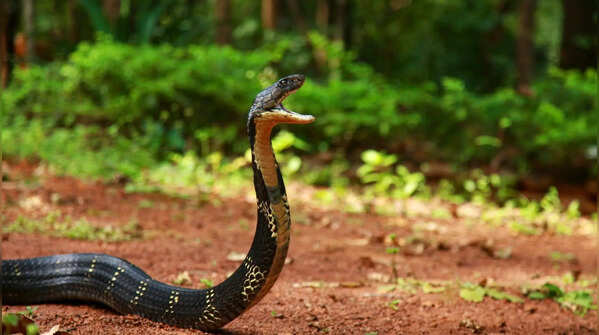
They are incredibly intelligent for snakes
Researchers and snake handlers often describe King Cobras as unusually alert and intelligent compared to many other snake species.
They can recognize movement patterns, remember surroundings, and react differently depending on the situation. Some experts even compare their awareness levels to monitor lizards rather than typical snakes.
This intelligence is one reason why experienced rescuers treat them with extreme caution.
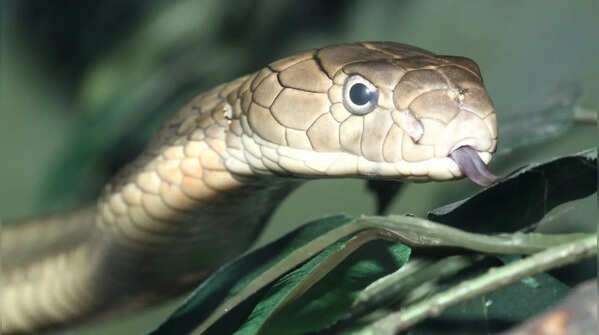
They avoid humans more than people think
Despite their fearsome image, King Cobras usually prefer escaping over attacking humans. Most bites happen when the snake feels cornered, threatened, or accidentally disturbed.
In forests, they often move away quietly before people even realize they were nearby.
Still, experts strongly warn against approaching or trying to handle them under any circumstances. A calm-looking King Cobra can react with incredible speed when stressed.
Featured In etimes

