
- News
- 8 animals that shed their skin in the most surprising ways
8 animals that shed their skin in the most surprising ways
8 animals that shed their skin in the most surprising ways
Skin shedding may be quite an unusual idea at first, but shedding is something very natural and common for many living beings out there. This phenomenon is also referred to as ecdysis and provides a way for animals to develop, get rid of parasites and replace old skin that might have been damaged. Even though many think that shedding is something done only by snakes, there are many other creatures that can shed their skin.Across different species, this process varies widely in timing, pattern, and purpose, revealing how evolution has shaped unique survival strategies. From reptiles to insects and marine creatures, shedding plays a key role in adaptation and long-term survival.
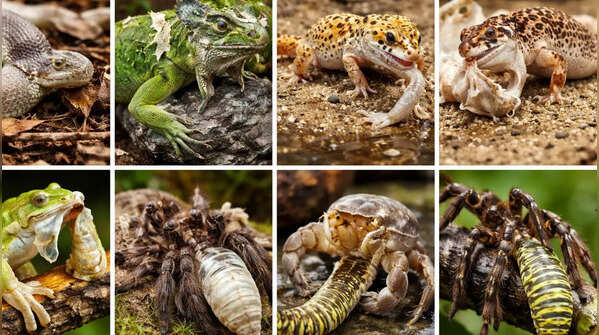
However, shedding is not only important from the point of development but is also crucial for staying healthy. When an animal sheds its skin, it gets rid of all parasites, looks rejuvenated and stays mobile and healthy. Every animal has its own way of doing this and skin shedding is indeed an extremely interesting biological process. The following list includes eight animals that shed their skin.PC: AI-Generated
Caterpillar
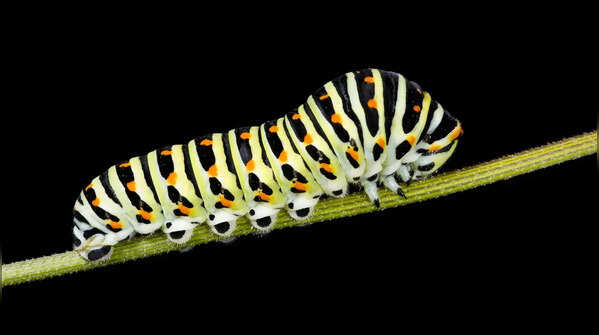
The caterpillar molts its skin several times during growth, known as instar molting. During each instar stage, the caterpillar can grow and develop further in preparation for the next stage. Finally, this will result in the development of a pupa, where either a butterfly or a moth will emerge.
PC: Wikipedia

Tarantula
The tarantula sheds its outer body covering along with certain inner coverings during the moulting process. During the shedding process, they molt on their backs and look dead at that point. Once they have molted, they are left with a soft skin and have to wait for a while before becoming active again.
PC: Wikipedia

Crab
Crabs shed their external skeleton when growing. They discard their tough external layer and develop a new one that is bigger than before. Straight away after shedding their skin, the body becomes soft, leaving them defenseless against attackers. In due course, the new covering becomes tough.
PC: Wikipedia
Spider
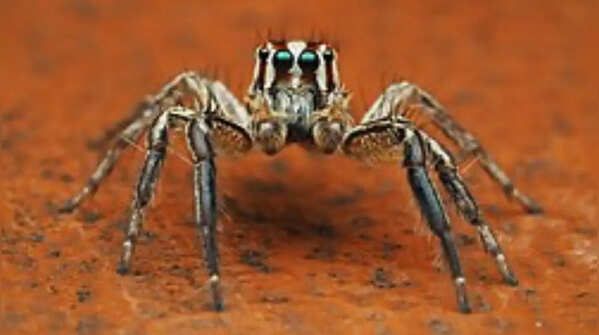
Spider molt or shedding is where the spider sheds its entire exoskeleton. Contrary to reptiles whose skin is flexible, the spiders' outer skin is rigid, and thus, they have to come out of it entirely to allow for growth. The spider becomes soft after shedding and will remain so until the new one becomes tough again.
PC: Wikipedia
Frog
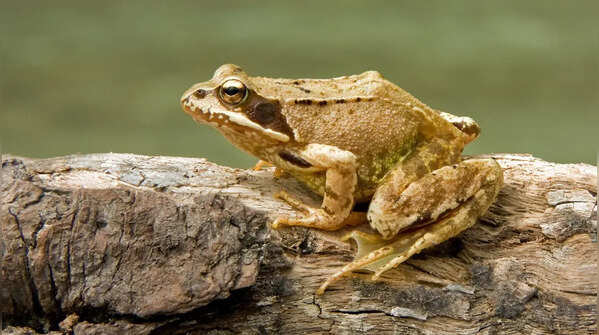
There is a very specific manner of skin shedding by frogs. They don’t just leave their old skin; they actually use it as food by pulling it over their head. In doing so, they ensure that their skin stays healthy and free of any bacteria. Frogs need their skin to breathe and absorb moisture.
PC: Wikipedia
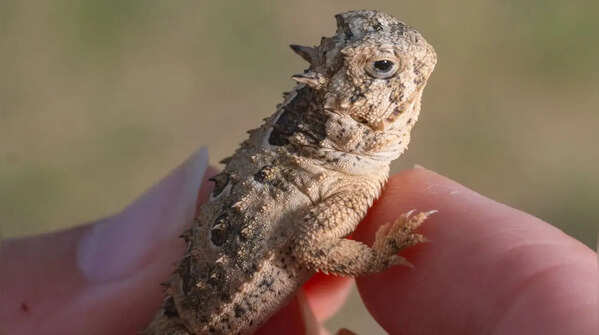
Gecko
The gecko, which is one of the types of lizards, has an especially fascinating skin-shedding trait. The gecko sheds its skin by pulling it off using its mouth, then ingests it. This trait, besides nourishing the animal, eliminates any signs that could reveal its presence to potential predators.
PC: National Geographic

Lizard
Another species that sheds its skin is the lizard. Unlike snakes, however, the lizard does not shed its skin in one piece. It rather sheds in patches. Lizards have been observed to consume their shed skins, which enables them to conserve nutrients and avoid detection by predators.PC: National Geographic
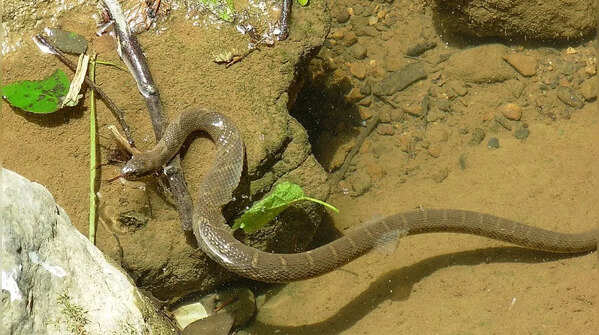
Snake
It would be hard to find an animal more popular for shedding than snakes. Snakes shed in a single layer that ends up being a see-through shell identical to their body structure. It allows them to get rid of parasites and develop. Prior to the shedding, snakes' skins become less shiny, and their eyes become cloudy.
PC: Wikipedia

