
Stop wasting time on hair myths: 5 science-backed secrets that can actually grow your hair
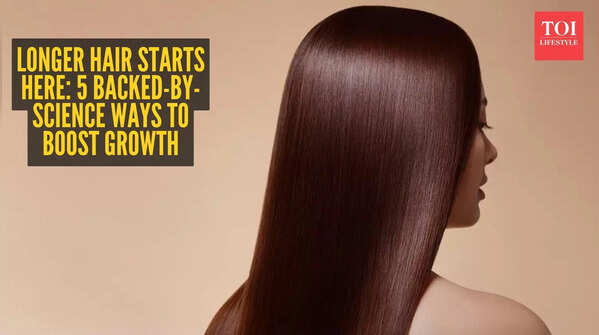
Your hair isn’t growing? These science-backed fixes might change everything
If you’ve ever gone down the rabbit hole of “hair growth hacks,” you already know how confusing it gets. Oil this, don’t oil that. Cut your hair, don’t cut your hair. Everyone seems to have an opinion - and half of it contradicts the other half.
So let’s simplify things.
Here are 5 science-backed habits that actually support better, healthier hair growth. No overnight miracles - just real, practical changes that make a difference over time.

Feed your hair properly
This one gets ignored way too often.
Your hair is made of keratin, which is a protein. So if your diet is lacking, your hair is usually one of the first places it shows.
A widely cited review published in Dermatology Practical & Conceptual (2017) found that nutritional deficiencies - especially iron, zinc, and protein - are linked to hair loss. But here’s the important part: simply adding supplements doesn’t help unless your body actually needs them.
So instead of jumping to pills, focus on your daily food.
What actually helps:
Protein: eggs, paneer, dal, chicken
Iron: spinach, beetroot, jaggery
Healthy fats: walnuts, flaxseeds
Biotin-rich foods: nuts, bananas, whole grains
Simple truth: if your body isn’t well-fed, your hair won’t be either.

Take scalp care seriously
Hair doesn’t grow from the ends - it grows from the follicles in your scalp. Which means your scalp health matters a lot more than most people think.
Dermatology research consistently shows that conditions like dandruff, inflammation, or product buildup can interfere with the normal hair growth cycle.
You don’t need a complicated routine, just some basic care:
Keep your scalp clean (but don’t overwash)
Use gentle shampoos instead of harsh ones
Massage your scalp occasionally to boost blood flow
Even something as simple as a light oil massage can help improve circulation. It’s not magic—but it supports the environment your hair grows in.
Think of your scalp like soil. Healthier soil = better growth.
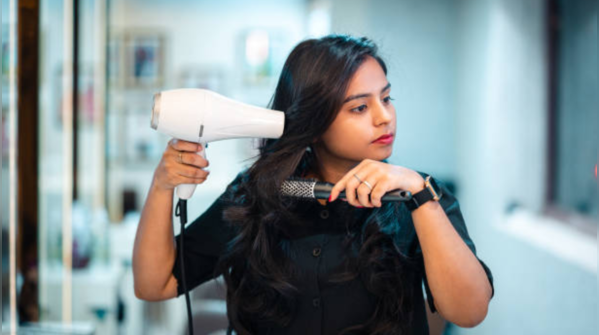
Cut down on heat styling
A lot of people say their hair “isn’t growing.” In reality, it often is - you’re just losing length due to breakage.
Scientific studies in cosmetic dermatology have shown that frequent heat styling weakens the hair shaft and damages the outer cuticle, making hair more prone to snapping.
What to be mindful of:
Daily straightening or curling
Very tight ponytails or buns
Frequent bleaching or colouring
You don’t have to give everything up. Just reduce how often you do it.
Your hair might already be growing fine - you’re just not retaining the length.

Trim your hair
Let’s clear this up once and for all:
Haircuts do NOT make your hair grow faster.
But they do help you keep the length you grow.
According to guidance from the American Academy of Dermatology, regular trims help remove split ends, which otherwise travel upward and cause more breakage.
How often?
Every 8–12 weeks works for most people
Sooner if your hair is damaged or chemically treated
It’s not about speeding up growth - it’s about not undoing it.

Manage stress
This is probably the most underrated factor.
There’s a condition called telogen effluvium, where stress pushes your hair into a shedding phase. It’s very real, and dermatologists see it often - especially after periods of emotional or physical stress.
Research in dermatology has shown that stress hormones can disrupt the normal hair growth cycle, leading to noticeable hair fall.
What actually helps:
Getting enough sleep
Moving your body (even simple walks count)
Taking breaks from constant mental overload
You don’t need a perfect routine - just a little balance.
Your hair reflects what’s happening inside your body more than you realise.
Bonus: What doesn’t really work (despite what Instagram says)
Let’s quickly clear a few myths:
❌ Cutting hair every month = faster growth
❌ “7-day miracle” oils
❌ Brushing hair 100 times a day
❌ Expensive shampoos = better growth
Most of these are either exaggerated or completely false.

A simple routine that actually works
If this all feels like a lot, don’t worry - you don’t need a complicated system.
Here’s a basic routine you can stick to:
Oil your scalp 1–2 times a week
Wash with a mild shampoo
Eat balanced meals (don’t skip protein)
Limit heat styling
Trim every 2–3 months
Get proper sleep
That’s it. Consistency matters way more than doing everything perfectly.

Small habits help
Hair growth isn’t about one magic trick. It’s about small habits that support your hair over time.
Eat well.
Take care of your scalp.
Avoid unnecessary damage.
And don’t ignore stress.
Do this consistently, and you’ll notice the difference - not just in length, but in how your hair actually feels.

Aim for healthy hair
Everyone wants long hair. But honestly?
Healthy hair always looks better than just long hair.
So instead of chasing quick fixes, focus on building habits your hair can actually rely on.
Because real growth takes time - but when it shows, it really shows.
Featured In lifestyle

MORE FROM ETIMES
life & style