
- News
- etimes
- animals-pets
- 6 simple ways to avoid unexpected snake encounters this spring
6 simple ways to avoid unexpected snake encounters this spring
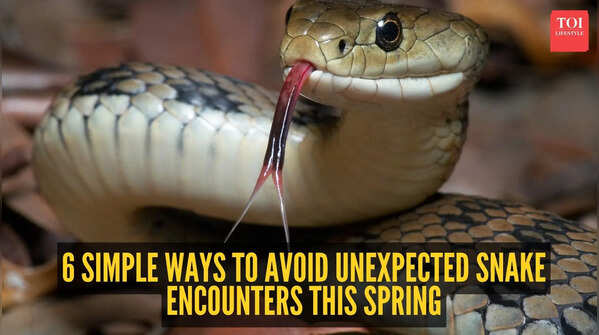
Practical ways to avoid unexpected snake encounters
A lot of people only realise how active the outdoors gets in spring after a small scare in their own backyard. It could be while watering plants, cleaning a terrace corner, or simply walking through a patch of grass that hasn’t been trimmed in a while. Nothing unusual about the moment - until there is.
As temperatures rise, snake movement naturally increases as they look for food, shade, and cooler hiding spots. That often brings them closer to human spaces, especially in residential areas where gardens, open plots, and storage corners become easy stopovers. Most encounters are brief and accidental, but they tend to stay in memory because they happen so suddenly.
That’s why a few simple habits around homes and outdoor spaces matter this season.
Disclaimer: This article is intended for general awareness and informational purposes only. It is not a substitute for professional wildlife or safety guidance. In case of a snake sighting or any wildlife-related emergency, readers are advised to contact trained local forest or wildlife rescue authorities and avoid any direct interaction.
Images: Canva (for representative purposes only)
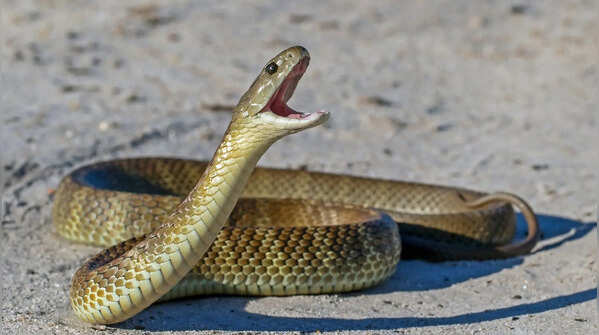
Spring movement starts where attention usually doesn’t go
Warm weather changes how wildlife behaves, and snakes are no exception. They don’t “enter” human spaces in a planned way - they move through them when conditions feel right.
In many parts of India, species like the Indian cobra are commonly encountered during these warmer months, especially near gardens, boundary walls, and quiet corners where human activity is irregular.
What makes spring tricky is not danger, but timing. Humans step into outdoor spaces more often, just as snakes are also becoming more active after cooler periods.
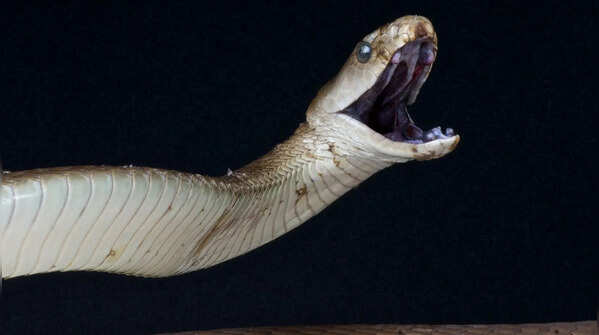
The corners that go unnoticed for weeks
Every home has spaces that slowly slip out of regular cleaning - behind storage racks, unused garden sheds, stacked pots, or old materials kept “for later.” These areas rarely feel important in daily life.
But stillness changes things. Undisturbed, shaded corners naturally become attractive resting spots for small wildlife moving through the area.
The issue isn’t clutter alone, but how easily it builds up without anyone noticing. A quick weekly check of such corners often prevents surprises later.
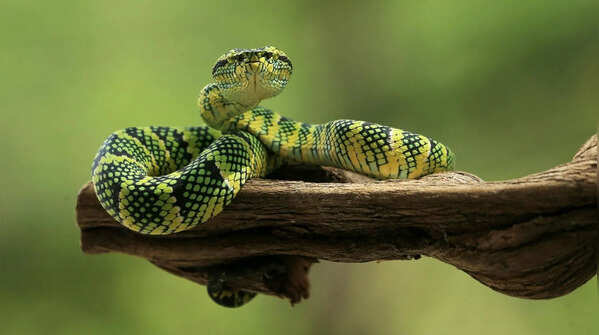
Grass level is where most surprises begin
From a distance, a garden or open patch looks completely harmless. The reality changes once you are at ground level, especially in uneven or overgrown grass where visibility drops sharply.
That’s where most accidental encounters happen - not because of aggression, but because neither side sees the other in time.
A slower walking pace through such areas, especially early morning or evening, often makes more difference than any reaction afterwards.
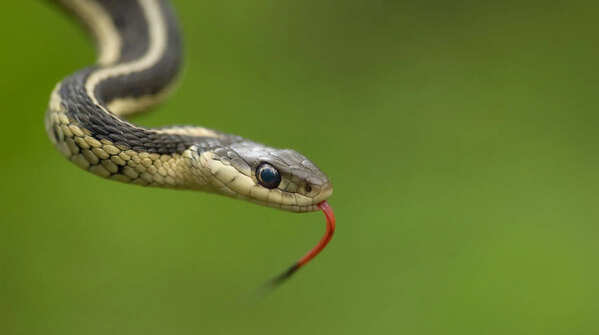
Waste habits shape movement around homes
One connection that often goes unnoticed is between waste management and wildlife movement. Open garbage, food scraps, or pet feed left outside can attract rodents first, which then indirectly influences the presence of snakes in the area.
It’s not immediate or direct, but gradual. Once food sources become predictable, movement patterns around homes can change subtly over time.
Keeping waste sealed, cleaning outdoor feeding areas, and avoiding leftover food in open spaces helps break that chain early.
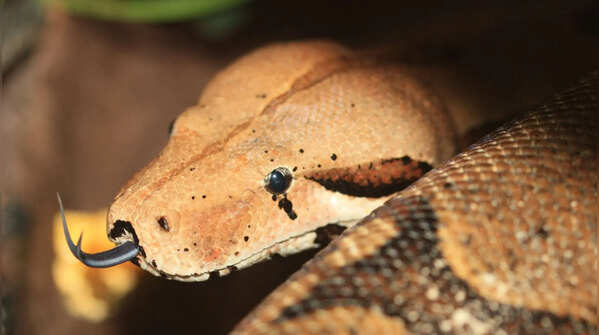
Most encounters happen during completely normal actions
Interestingly, many snake encounters don’t happen during outdoor “activities.” They happen during routine tasks - lifting a flower pot, moving stored items, or reaching into a dim storage corner.
These moments don’t feel risky at all, which is exactly why they catch people off guard. The absence of visibility, not the action itself, is usually what creates the situation.
A quick look before using hands in unseen spaces is often enough to avoid most accidental disturbances.
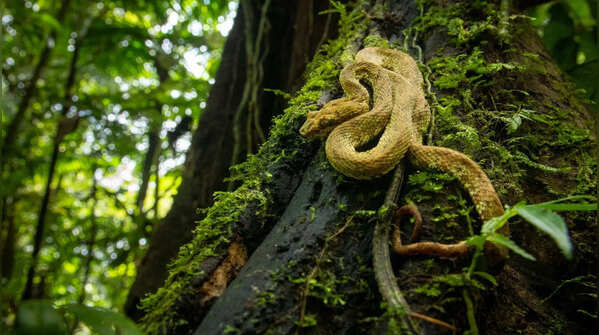
The way people react often decides what happens next
The immediate reaction after spotting a snake matters more than most people realise. Sudden movements, panic, or attempts to chase it away tend to escalate the situation unnecessarily.
Most snakes, including widely found species like the Indian cobra, are not inclined to stay once they sense space and lack of threat. In many cases, they move away on their own if left undisturbed.
A calm step back, maintaining distance, and avoiding sudden gestures is usually the safest response. In residential areas, calling trained wildlife rescue teams remains the most responsible option if intervention is needed.
Featured In etimes

