
- News
- etimes
- animals-pets
- 6 simple tips to keep your pet safe during extreme heatwave
6 simple tips to keep your pet safe during extreme heatwave
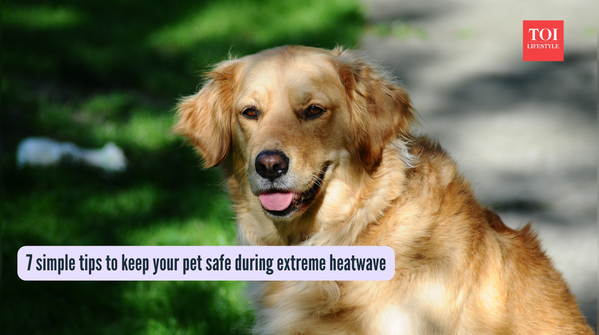
6 simple tips to keep your pet safe during extreme heatwave
Summer heatwaves often feel intolerable, not only to human beings but also to our furry friends. Since they can't sweat through the skin like us, they pant to cool off, but panting isn't always enough.
With furry family members counting on us, it's heart-wrenching to think of them suffering from scorching temperatures, burnt paws, or worse.
Lately, extreme weather has made headlines everywhere, reminding us to enhance our protection for dogs, cats, and pet pals.
But some simple changes and precautions can help skip the heat turning risky days into safe playtime. It's all about our love and concern for our pets, amid our busy lives, but a little planning means worry-free summers for everyone.
Here are some effective and useful tips that must be kept in mind for taking care of pets during heatwave
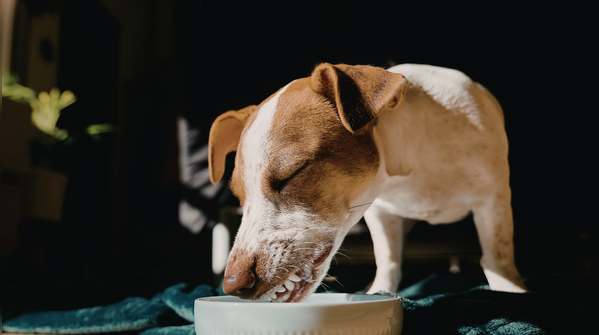
Provide them with sufficient drinking water
Outdoor pets need constant cooling, so they must be provided with clean water. Remember to refill their bowls, as heat zaps moisture quickly. Hydration fights dehydration and heatstroke. Add ice cubes to tempt picky drinkers. Indoors or out, multiple bowls in several places encourage sips all day.
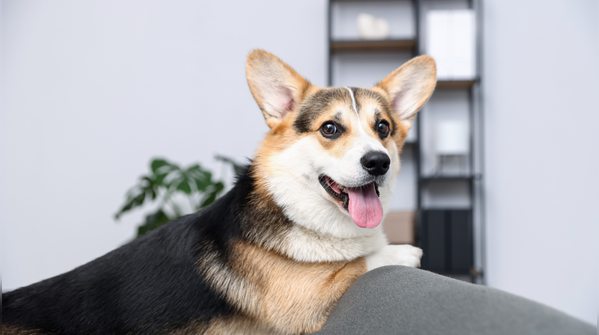
Keep your furry friends in shade
In parks, beaches, or yards, always look out for shady spots for sun breaks. Direct rays overheat furry bodies quickly. Umbrellas, trees, or tents work wonders when they are out to play.
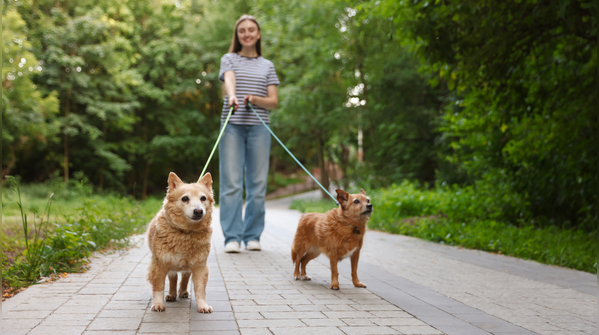
Smart walk timing
Prefer taking your pet for a walk during the morning and evening. Skip scorching times like 10 a.m.–3 p.m. and opt for dawn or dusk strolls when concrete cools. Brief midday jaunts are advisable only if done under shaded areas. But cooler hours prevent paw blisters and fatigue, especially for brachycephalic or shorter breeds.
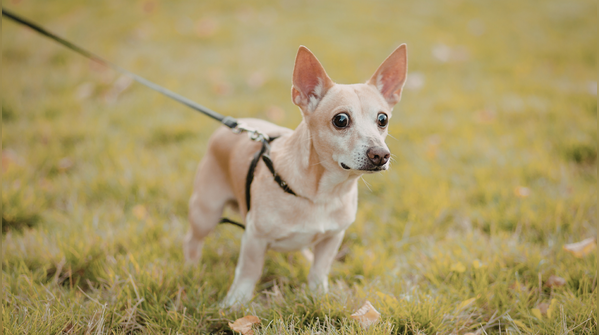
Avoid walking them on road or concrete
Road tar and concrete heat up very quickly, reaching high temperatures during heatwaves. Touch and test with your hand for 5 seconds, if it is too hot for paws, then skip it. Try walking the animals on grass or prefer walks at dawn/dusk.
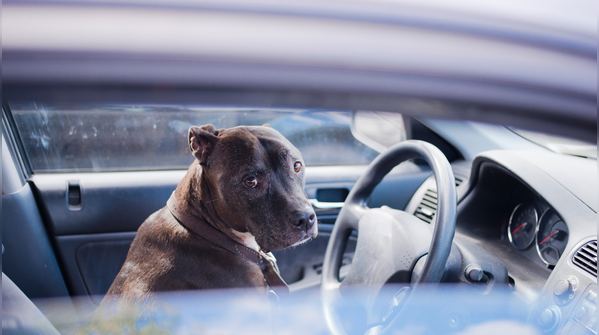
Never leave your pet in the car
Cars turn into ovens in minutes when kept under the Sun, and even cracked windows fail. In worst cases, when the vehicle gets overly hot, it might cause heatstroke which could result in organ shutdown. Either try to park the car in the shade or turn the AC on if waiting, but ideally, leave pets home in cool rooms.
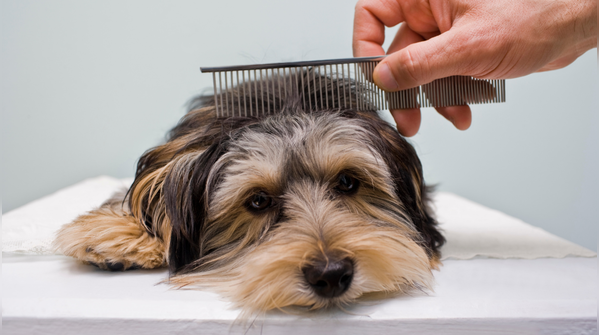
Groom and apply sunscreen
Trimming long coats lightly can give a sense of relief to dogs and cats during hot weather, but it's advised to never completely shave them—fur protects the skin from sunburn, insects, and temperature extremes. Brush cats often with a soft slicker brush to prevent mats, and apply pet-safe, zinc-free sunscreen to noses, ears, and bellies hourly on sunny days.
For dogs, use blunt-nosed shears for safe trimming around paws and sanitary areas. Bathe every 4-6 weeks with gentle, shampoos to avoid drying skin. Double-coated breeds like Huskies need deshedding tools, not close cuts. Always consult a vet for skin issues, and reward pets with treats to make grooming positive.
Featured In etimes

