
- News
- 6 animals that survive without drinking water and how they do it
6 animals that survive without drinking water and how they do it
6 animals that survive without drinking water and how they do it
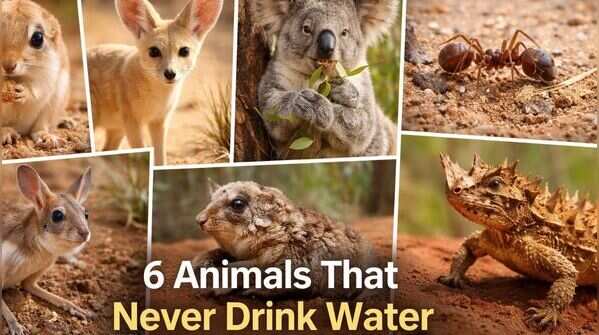
Water is generally seen as essential for survival, and every living creature needs it in large quantities to stay alive. But nature does not always behave in ways we would like to think. In some of the most extreme conditions found on our planet, certain animals have adapted to such an extent that they are able to stay alive without ever having to take water into their bodies. Instead of using water from sources such as rivers, lakes, and rain, these animals are able to get moisture from their food and even their own bodies.From specialised kidneys to behavioural shifts like nocturnal living, these animals rely on precise biological and ecological strategies. Their survival is not about avoiding water entirely, but about extracting, conserving, and efficiently utilising every trace available.In fact, some species have evolved such efficient internal systems that they minimise water loss to an extreme level, allowing them to survive in habitats where liquid water is scarce or almost completely absent.
This is not just unusual, but also the result of highly adapted survival techniques that these animals have developed over time. In places ranging from the desert to dry grasslands, these animals are masters at using every possible source of water available to them.
PC: AI-Generated
Thorny devil lizard
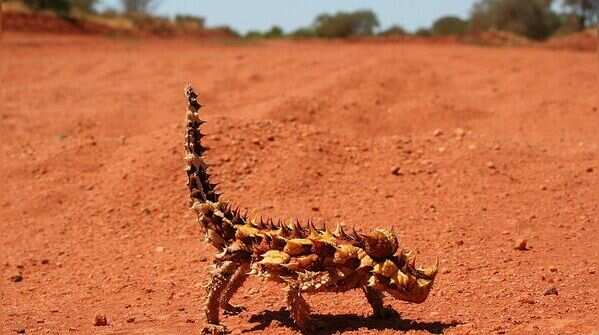
The thorny devil lizard of Australia has one of the most unique methods of hydration. Instead of drinking water like other creatures, the thorny devil lizard absorbs the moisture from the water.
The small channels of the lizard’s skin help the water from the rain or the dew to travel directly into the mouth.
This unique adaptation of the lizard allows it to survive in extremely dry conditions.
PC: Wikipedia
Jerboas
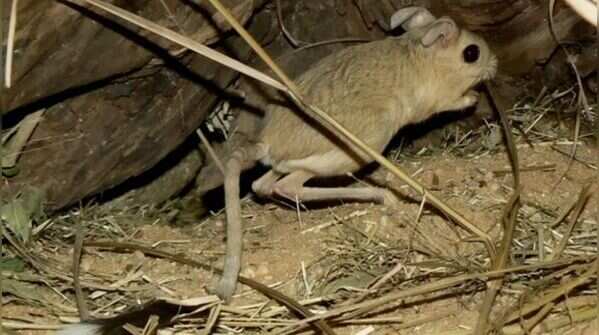
Jerboas are small desert-dwelling rodents with many adaptations to survive without the need to drink water. The moisture they need is found in plant material, seeds, and insects.
Jerboas, similar to kangaroo rats, concentrate their urine to retain water. The nocturnal behaviour of jerboas keeps them out of the scorching sun during the day, and their large ears help to discharge excess heat. PC: Wikipedia
Harvester ants
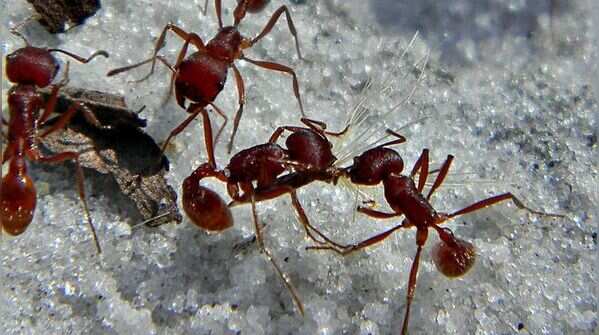
The harvester ants survive in dry conditions with the help of a completely different strategy. Instead of drinking water, they obtain it from the seeds they consume.
Their bodies digest the fats present in seeds and convert them into metabolic water. In addition, they also obtain water from the humidity present in their nests. The small size and organised behaviour of the ants minimise their water requirement.
PC: Wikipedia
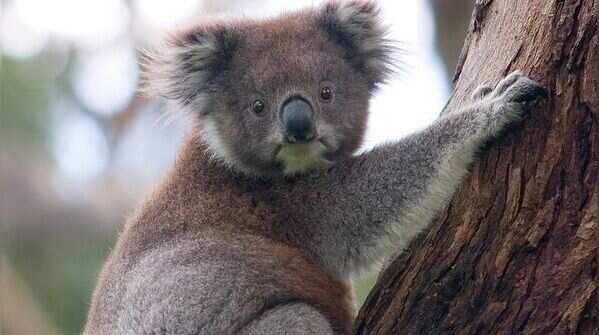
Koalas
Another example of such animals is koalas. Koalas seldom drink water. Their main source of food is eucalyptus leaves. The leaves have enough moisture to satisfy their daily needs.
These leaves act as their source of food as well as their source of moisture. However, in extreme weather conditions such as drought or high temperatures, they may drink water from other sources as well.
PC: Wikipedia
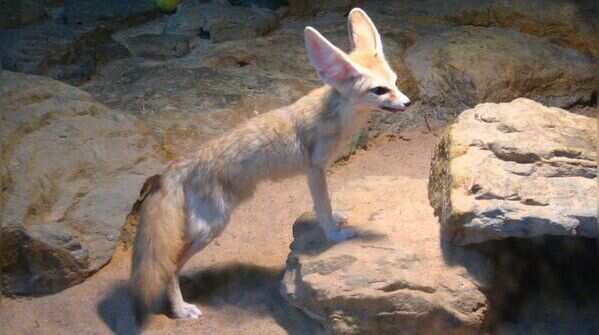
Fennec and sand foxes
Desert habitats of fennec foxes and sand foxes are some of the driest in the world. Yet, they do not drink water.
They get moisture from the food they consume. The body of the fennec fox and the sand fox is adapted to efficiently conserve water. The urine of these animals is concentrated, and there is no loss of water. The nocturnal habits and the large ears of these animals help to regulate body temperature.
PC: Wikipedia
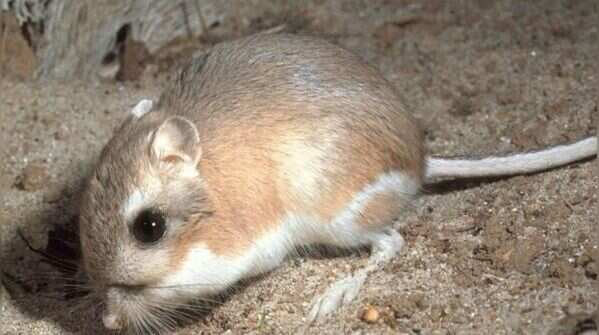
Kangaroo rats
One of the most well-known animals that does not require water is the kangaroo rat, which lives in North American deserts. They only require dry seeds for survival, which would be the least likely source for hydration.
They are able to transform their food into metabolic water during digestion. However, their kidneys are also extremely efficient at producing concentrated urine to conserve water. They also stay in cool burrows during the day to avoid dehydration.PC: Wikipedia

