
- News
- etimes
- animals-pets
- 5 animals that can switch gender, and the science behind it
5 animals that can switch gender, and the science behind it
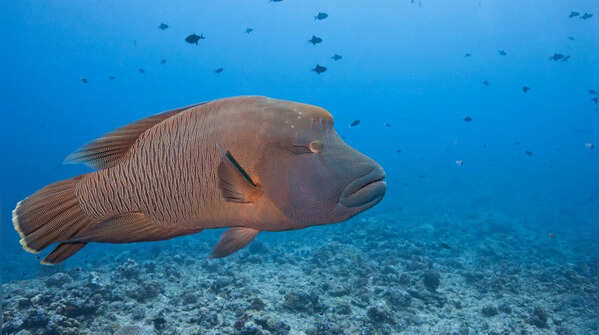
5 animals that can switch gender, and how
When it comes to the natural world, biology often plays by its own set of rules. While many people assume that a creature’s biological path is set in stone from birth, the animal kingdom is actually full of species that treat gender as a flexible tool for survival. From the depths of the ocean to the edges of coral reefs, these “gender-bending” animals can physically shift their reproductive roles to ensure their colonies stay afloat.
Here are five fascinating creatures that prove nature is far more adaptable than a textbook might suggest.
Images: Canva (for representative purposes only)
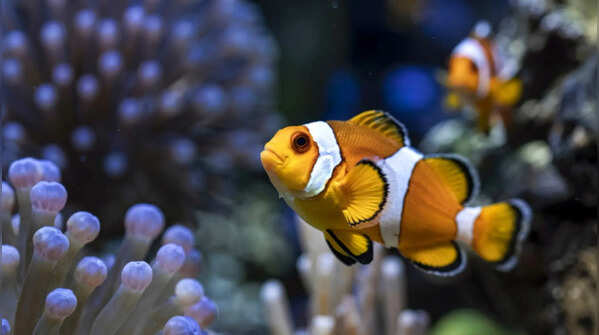
The Clownfish
The social structure of a clownfish colony is surprisingly rigid, yet biologically fluid. Each group consists of a dominant breeding pair and several non-breeding subordinates. If the leading breeder disappears or is lost to a predator, the largest remaining individual doesn't just fill the leadership vacancy; it undergoes a total physiological transformation. Within a short period, the digestive and reproductive organs reorganize, allowing the fish to transition into a breeding role to keep the population going. It is a seamless internal reset that prevents the colony from collapsing.
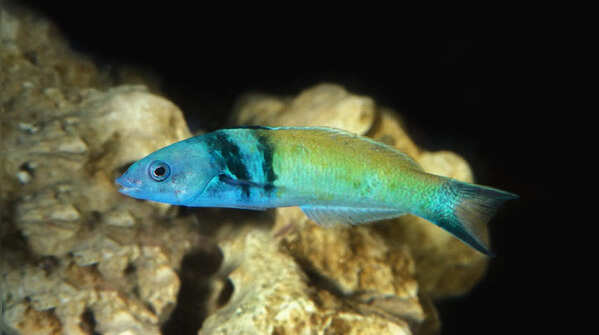
The Bluehead Wrasse
Found darting around tropical coral reefs, the Bluehead Wrasse is a master of quick transformations. These fish often begin life as smaller, yellow-toned individuals within a larger school. However, when the bright-headed dominant leader of the group is removed, a vacancy is created that must be filled immediately. The largest individual in the group steps up, and the physical changes are staggering. In just a matter of days, the body changes colour to a vibrant blue and green, and the internal biology shifts completely to take over the role of the new protector and breeder.
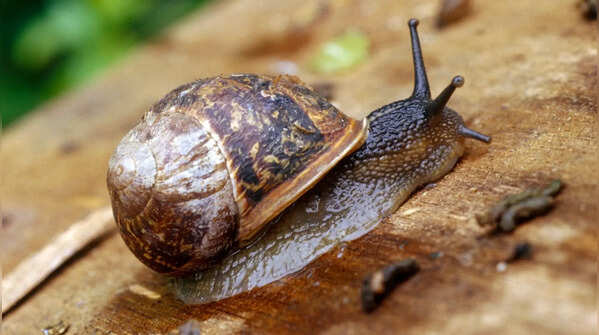
The Common Slipper Snail
Slipper snails might look like sedentary shells, but their life cycles are incredibly dynamic. These mollusks grow in literal stacks, piled one on top of the other. The position within the stack determines the biological role. Generally, the larger, older snails at the very bottom function as breeders, while the younger ones joining the top of the pile start in a different reproductive state. As the stack shifts and older members are lost, the individuals in the middle transition their biology to maintain the balance. It is a biological “ladder” where one's physical identity is entirely dependent on one's place in the pile.
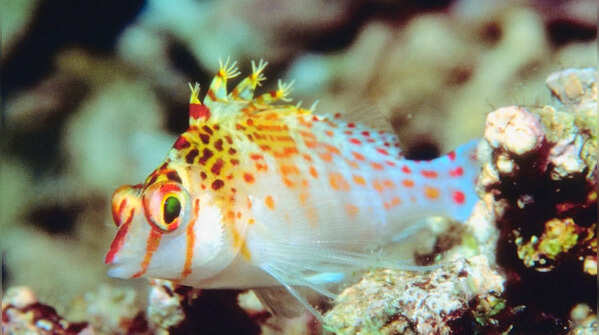
The Hawkfish
Most animals that undergo a biological shift move in one direction and stay there. The Hawkfish, however, is a rare exception that keeps its options open. Known as “bidirectional” switchers, these fish can change their biological status depending on the social climate. If a group has too many leaders, an individual can revert to a previous biological state to ensure the group remains balanced. Conversely, if a leader is needed, the shift can happen in the other direction. This flexibility makes them some of the most resilient survivors in the reef.
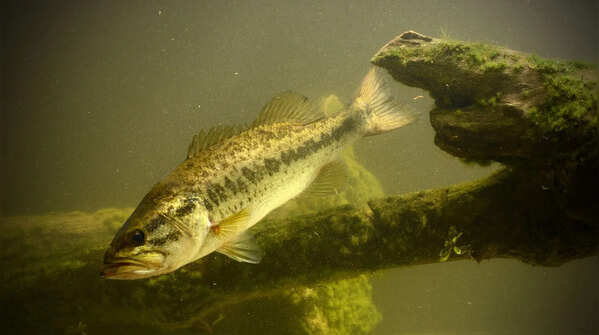
The Black Sea Bass
Commonly found along the Atlantic coast, the Black Sea Bass follows a growth-based transition. Most members of this species start out in one biological phase. As they reach a certain size and age – usually around the three-to-five-year mark – a significant portion of the population undergoes a physical shift. Scientists believe this is triggered by the surrounding environment; if the ratio of individuals in the population becomes skewed, the largest and strongest members transition to fill the gap. It is a calculated move by nature to ensure the species never runs out of breeding options.
Featured In etimes

