- News
- entertainment
- tamil
- movies
- Not a light job, this!
Trending
This story is from July 8, 2016
Not a light job, this!
While it is the cinematographer who decides on the colour and lighting scheme of a shot, he needs the lightmen to set up the lights for him as required.

Every industry has people who are required to do the menial but necessary jobs, and the lightman���s work is one such job in the film industry. While it is the cinematographer who decides on the colour and lighting scheme of a shot, he needs the lightmen to set up the lights for him as required. Talking about the work, Subbaiah, a lightman with over 30 years of experience, says, ���The cameraman���s assistants coordinate with us and tell us where they want the lights to set up, and it is our duty to do as they ask.���
Unpredictable work
Interestingly, this is one branch where the members do not work on specific films. ���It always depends on requirement. One day we might be working for one film, and the next day, we might be sent by the outdoor services unit to work for another film. Generally, it is during shoots that happen out of the city that we get to work on the same film for a consolidated number of days,��� he adds. And this is also unpredictable work, where these technicians might not get work for only a few days a month. S Sagadevan has been working as a lightman since 1971, says that lightmen had more work in those days when Chennai was the hub of filmmaking. Interestingly, he reveals that in those days there were a separate category of lightmen called indoor lightmen who were employed the studios. ���They used to work on the indoor shoots. But with many studios shutting down in the city, that breed is no more. Today, everyone is an outdoor lightman, even while working on interior shoots. And when the other south industries started setting up studios in their own states, we could work mainly in Tamil films, and so, the work opportunities became less,��� he explains. ���Today, the films have reduced while our numbers have increased,��� he adds.

This is why the Cine and TV Outdoor Lightmen Union now tries to use a policy of rotation to ensure that most of the members get at least a few days��� work in a month. Giving us the background into how the union came into existence, its secretary Raman says, ���One of our lightmen got washed away while bathing in the river when he had gone for an outdoor shoot. Sadly, neither the producer nor the outdoor unit service was willing to take up responsibility. It was then that MGR suggested that we form a union to protect our interests and not let ourselves get exploited. That is how the union was set up in 1976.���
Started with around 25 people, today, the union has almost 1,500 members, with almost 30% of them being youngsters. Sagadevan is one of its founding members and he fondly recalls how MGR used to take extra care and ensure that the lightmen who were working on his films were fed and accommodated properly while on outstation shoots.
Usually, eight to 10 lightmen work at a time on a film, but there are times when this number increases or decreases depending on the lighting requirements for the scenes planned. Their call sheet begins at 6am and ends at 6pm, for which they are currently paid `850 per day. If the team has to work during the nights as well, they are paid depending on the number of shifts ��� twice the normal pay if the shoot goes till 2am and thrice if it goes till 6am the next morning. ���There are people in the industry who feel this is quite a high sum for us, but considering the kind of work we have to do, it is only fair we get at least this much. During the early days, we used to get only `25. It is only after the formation of the union that the pay started to increase,��� remarks Sagadevan.
Presently, lightmen can work across industries, but to safeguard the members in their own industry, every state union has a rule that says that any other language film unit shooting in the state should employ a minimum of three lightmen from their own union. ���So, if a Tamil film being shot in Hyderabad has 10 lightmen, seven will be from here and three will be from that industry,��� explains Raman.
Physically demanding and risky
Most lightmen say that this is demanding work that leaves one exhausted physically in a very short while. ���We are among the first to arrive on the set as we have to set up the lights for the shot before the artistes arrive. And we are the last to pack up as there are so many equipment that have to be packed up. By the time we return the lights to the outdoor unit service and return home, it is midnight. And we have to be on the set again at 6am the next day,��� says Subbaiah.
Most of the times, the lightmen are required to shift their gear to two or three locations in a single day. ���There have been times when we have shifted 10 locations in a day. Every time, the lights have to be set up, packed up and then set up again. It is backbreaking work,��� says Sagadevan.
Subbaiah agrees. ���There are times when we have to climb five or six floors carrying all that equipment. And during outdoor shoots, we might have to carry them on mountains, across streams and so on. You need to be physically agile to do this work. So, units tend to prefer youngsters for lightmen. But then, the middle-aged members, too, have to earn their living. So, the union takes care to ensure that there is a balance of young and older members working on a film,��� he says.
The physical demands of the work are what make this job less suitable for women, says Sagadevan. Currently, there are no women working in this field. ���It is risky even for men. Sometimes, we have to work in pouring rain. Once, during a Telugu film���s shoot, my colleagues and I had to stay in the equipment vans near a riverbed while the rest of the crew went to hotel. There is a constant danger of getting electrocuted or falling down from a height,��� he says, and narrates an incident where a lightman died on the spot after being electrocuted during the shoot of a 90s Tamil film.
Welfare measures needed
Curiously, the film units do not take insurance cover for these personnel. But the union offers financial assistance depending on the members��� requirement, says Raman. The union also provides monetary loans for occasions like marriage or death, educational needs and so on. ���We also collect Rs 1,800 every year from each member, which is deposited in banks and provided as a pension figure when they decide to retire,��� he adds.
While some lightmen say that the other states take care of the welfare of film technicians better, Raman says that the Tamil Nadu government, too, has now set up a committee for this purpose. Meanwhile, Sagadevan, who is all praise for Raman, reveals that the union has bought a huge piece of land near Thindivanam and provides half-a-ground to members.
Unpredictable work
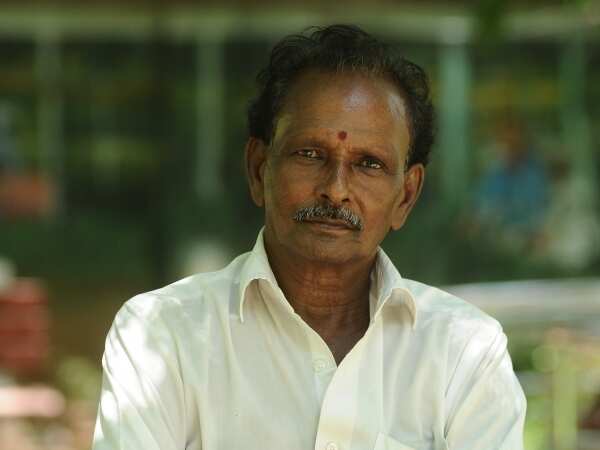
Interestingly, this is one branch where the members do not work on specific films.
The safeguard
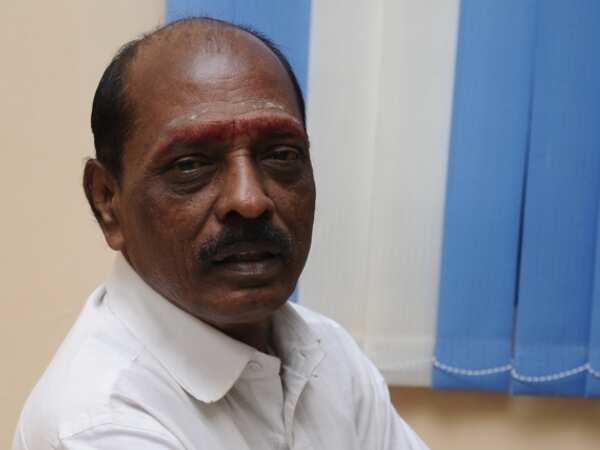
This is why the Cine and TV Outdoor Lightmen Union now tries to use a policy of rotation to ensure that most of the members get at least a few days��� work in a month. Giving us the background into how the union came into existence, its secretary Raman says, ���One of our lightmen got washed away while bathing in the river when he had gone for an outdoor shoot. Sadly, neither the producer nor the outdoor unit service was willing to take up responsibility. It was then that MGR suggested that we form a union to protect our interests and not let ourselves get exploited. That is how the union was set up in 1976.���
Started with around 25 people, today, the union has almost 1,500 members, with almost 30% of them being youngsters. Sagadevan is one of its founding members and he fondly recalls how MGR used to take extra care and ensure that the lightmen who were working on his films were fed and accommodated properly while on outstation shoots.
Usually, eight to 10 lightmen work at a time on a film, but there are times when this number increases or decreases depending on the lighting requirements for the scenes planned. Their call sheet begins at 6am and ends at 6pm, for which they are currently paid `850 per day. If the team has to work during the nights as well, they are paid depending on the number of shifts ��� twice the normal pay if the shoot goes till 2am and thrice if it goes till 6am the next morning. ���There are people in the industry who feel this is quite a high sum for us, but considering the kind of work we have to do, it is only fair we get at least this much. During the early days, we used to get only `25. It is only after the formation of the union that the pay started to increase,��� remarks Sagadevan.
Presently, lightmen can work across industries, but to safeguard the members in their own industry, every state union has a rule that says that any other language film unit shooting in the state should employ a minimum of three lightmen from their own union. ���So, if a Tamil film being shot in Hyderabad has 10 lightmen, seven will be from here and three will be from that industry,��� explains Raman.
Physically demanding and risky
Most lightmen say that this is demanding work that leaves one exhausted physically in a very short while. ���We are among the first to arrive on the set as we have to set up the lights for the shot before the artistes arrive. And we are the last to pack up as there are so many equipment that have to be packed up. By the time we return the lights to the outdoor unit service and return home, it is midnight. And we have to be on the set again at 6am the next day,��� says Subbaiah.
Most of the times, the lightmen are required to shift their gear to two or three locations in a single day. ���There have been times when we have shifted 10 locations in a day. Every time, the lights have to be set up, packed up and then set up again. It is backbreaking work,��� says Sagadevan.
Subbaiah agrees. ���There are times when we have to climb five or six floors carrying all that equipment. And during outdoor shoots, we might have to carry them on mountains, across streams and so on. You need to be physically agile to do this work. So, units tend to prefer youngsters for lightmen. But then, the middle-aged members, too, have to earn their living. So, the union takes care to ensure that there is a balance of young and older members working on a film,��� he says.
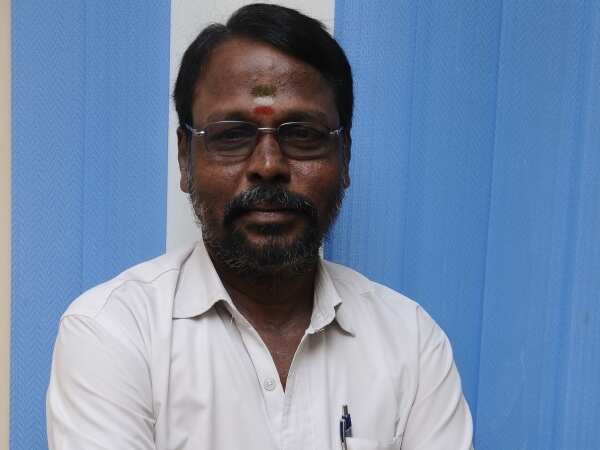
The physical demands of the work are what make this job less suitable for women, says Sagadevan. Currently, there are no women working in this field. ���It is risky even for men. Sometimes, we have to work in pouring rain. Once, during a Telugu film���s shoot, my colleagues and I had to stay in the equipment vans near a riverbed while the rest of the crew went to hotel. There is a constant danger of getting electrocuted or falling down from a height,��� he says, and narrates an incident where a lightman died on the spot after being electrocuted during the shoot of a 90s Tamil film.
Welfare measures needed
Curiously, the film units do not take insurance cover for these personnel. But the union offers financial assistance depending on the members��� requirement, says Raman. The union also provides monetary loans for occasions like marriage or death, educational needs and so on. ���We also collect Rs 1,800 every year from each member, which is deposited in banks and provided as a pension figure when they decide to retire,��� he adds.
While some lightmen say that the other states take care of the welfare of film technicians better, Raman says that the Tamil Nadu government, too, has now set up a committee for this purpose. Meanwhile, Sagadevan, who is all praise for Raman, reveals that the union has bought a huge piece of land near Thindivanam and provides half-a-ground to members.
End of Article
FOLLOW US ON SOCIAL MEDIA








entertainment videos
Featured In Movies
Popular Categories
Entertainment NewsBollywood NewsTollywood NewsKollywood NewsMollywood NewsMovie ReviewsLatest Hindi MoviesLatest Tamil MoviesMX PlayerParenting TipsHome RemediesWeight LossBeauty TipsParenting TipsHindi VideosHindi Video SongsBhojpuri Music VideosLatest Telugu MoviesBhojpuri Music VideoHindi TV News
Trending in Entertainment
Latest MoviesBollywood MoviesHollywood MoviesTamil Movies 2024Telugu Movies 2024Malayalam Movies 2024Kannada Movies 2024Marathi Movies 2024Bengali Movies 2024Top Rated Movies 2024Best Hindi MoviesBest English MoviesBest Telugu MoviesBest Tamil MoviesBest Malayalam MoviesBest Kannada MoviesBest Bengali MoviesUpcoming Hindi MoviesBest Movies Of All TimeBest Hindi Movies of All Time
Trending in Etimes
Horoscope TodayNumerology Predictions TodayDinner With TrumpTim WalzIvanka TrumpJose LopezKristina JoksimovicJoe WilsonTrump Eating The Dogs SongGermany NewsKamala HarrisPrince HarryPatriot Day 2024Diabetes RiskHappy Mindfulness Day 2024Trump Vs HarrisJoe JonasPositive Thinking Day 2024Dave Bautista
Trending in TV
Trending in Lifestyle
Trending in Regional
Movie Reviews
Visfot ReviewThalapathy Is The G.O.A.T ReviewRebel Ridge ReviewDetective Conan vs. Kid the Phantom Thief ReviewBeetlejuice Beetlejuice ReviewPad Gaye Pange ReviewA Wedding Story ReviewThe Diary Of West Bengal ReviewTikdam ReviewKinds Of Kindness ReviewAfraid ReviewThe Deliverance ReviewBlue Lock: Episode Nagi ReviewDaddio Review
Upcoming Hindi Movies
Upcoming Regional Movies
Latest News
7. Hindi becomes officialJulie Chen to miss Big Brother live eviction for first time, taps Jerry O'Connell to hostTragic road accident on Mogili ghat road claims seven lives in Chittoor districtRaveena Tandon apologizes to fans for not photo snub in London: "It was not my intention to offend"Bonedi baris hope for a peaceful start to PujoPreschools turn nursing homes, retirement age raised: China's demographic crisis explodesTovino Thomas praises Prithviraj Sukumaran as director: "One of the brilliant directors I have ever worked with"Man shot near Delhi's Greater Kailash-I gym, gang war suspected8 animals that reproduce without mating'Cops stood as mute spectators': Protesting doctors write to President over RG Kar impasseFatal crash in Australia's Netherby claims life of ToddlerNASA to establish New Lunar Time Standard with Coordinated Lunar Time (LTC) initiativeDivya Bansal explores themes of human resilience, love and positive transformation in debut poetry bookWWE Superstar Cody Rhodes and his Wife Brandi Rhodes Share Special Messages on Their 11th AnniversaryAnupamaa: Anuj and Anu to go legal against Ankush and Barkha'Dead cat hanging from a tree': Origin of Haitian immigrants row. Everyone heard itTop 5 least private zodiac signsPerfect comfort foods for every zodiac sign
Other Group Sites -
ETimes is an Entertainment, TV & Lifestyle industrys promotional website and carries advertorials and native advertising.