- News
- entertainment
- gujarati
- movies
- Want to take regional content to national audiences: Devanshi Madiyar
Trending
This story is from October 19, 2022
Want to take regional content to national audiences: Devanshi Madiyar
The lawyer turned entrepreneur is helping filmmakers and producers take their content to various OTT platforms and broadcasters. She has helped not just with the mergers, but also helped generate multiple streams of revenue for the producers and filmmakers. Devanshi has been instrumental in bringing almost 300 Gujarati films, short films and web series to various online platforms and television screens.

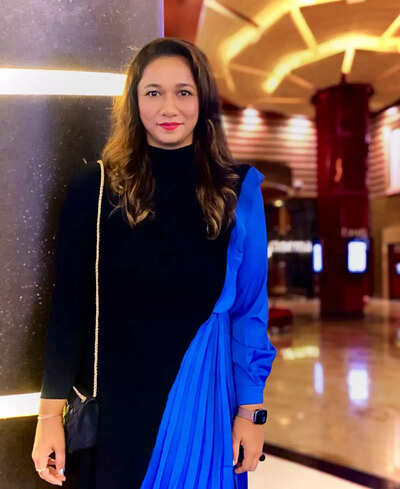
Not many are aware of the legal rights they have as a film director or producer while selling their content to an OTT platform or a broadcaster. It also took the Gujarati film industry a long time to stream their content on these platforms and not much was available at the click of a button until recently. But Devanshi Madiyar, a lawyer by profession was instrumental in bringing almost 300 Gujarati films, short films and web series to various online platforms and television screens.  Devanshi is a young entrepreneur, who started her entrepreneurial journey at the age of 23. In her words, “I wanted to make sure more regional content reached the audience globally.”
In a chat, Devanshi talks about how the moviemakers are still not aware of their legal rights, what more can be done to bring films to our homes and more.
‘Wanted to guide people in the industry about their rights’
Devanshi became a lawyer at the insistence of her family. “I became a lawyer because my father wanted me to. But, since I was always a movie buff, I thought of making it a full time business with a purpose of enlightening producers of their rights. I wanted to bridge the gap between producers and OTT platforms and also make sure Gujarati films were available easily. And there weren’t too many people doing that when I started out,” says Devanshi explaining her work.
The young entrepreneur has not only bridged these gaps between Gujarati language producers, but has also been instrumental in many licensing and film syndication deals in South Indian and Punjabi language films, including few Bollywood ones. She helped not just with the mergers, but also helped generate multiple streams of revenue for the producers and filmmakers.
‘A tie-up between an OTT app and a national platform was the most challenging’
Devanshi recently was an integral part of a tie-up between OHO and a national platform. With this deal having worked, Gujarati films and web-series will now be showcased on a national platform. Talking about consulting OHO during the deal, she says, “After working on film syndication and licensing of over 300 films, the next step was to move out of my comfort zone and this API deal was the most challenging one. OHO was probably the first Gujarati only OTT platform tying up with a TV provider for not just one film, but all the content on the OTT platform. Learning about the technology part of an app and the integration was fun. With this deal, an app was merging with another app. There’s a lot more to learn as technology is changing and there are newer modes of distribution being use.”
‘The Gujarati film industry took a long time to foray into the OTT space’
Ask Devanshi, what more can be done to make sure a film’s OTT rights can generate better revenues, she says, “We have had a lot of one time producers, directors in the Gujarati industry which means the product, whether it is a film, a short film or a web series does not come out well. It also somewhere means they aren’t aware how to reach the audience well. This is why it took the Gujarati industry a long time to foray into the OTT space.”
Devanshi has also produced short films in the past, so does she intent to director one? “I only understand the financial and legal part of it. I’ll leave the creative part for other people,” she laughs.
In a chat, Devanshi talks about how the moviemakers are still not aware of their legal rights, what more can be done to bring films to our homes and more.
‘Wanted to guide people in the industry about their rights’
Devanshi became a lawyer at the insistence of her family. “I became a lawyer because my father wanted me to. But, since I was always a movie buff, I thought of making it a full time business with a purpose of enlightening producers of their rights. I wanted to bridge the gap between producers and OTT platforms and also make sure Gujarati films were available easily. And there weren’t too many people doing that when I started out,” says Devanshi explaining her work.
There is a lack of awareness on what needs to be considered while selling your film to an OTT platform or a broadcaster. “I got these producers good financial deals from various OTTs, so that they could pick the best one that suited them,” explains Devanshi who has helped get the best deal financially by distributing films and at the same time helped them monetise their content.
The young entrepreneur has not only bridged these gaps between Gujarati language producers, but has also been instrumental in many licensing and film syndication deals in South Indian and Punjabi language films, including few Bollywood ones. She helped not just with the mergers, but also helped generate multiple streams of revenue for the producers and filmmakers.
‘A tie-up between an OTT app and a national platform was the most challenging’
Devanshi recently was an integral part of a tie-up between OHO and a national platform. With this deal having worked, Gujarati films and web-series will now be showcased on a national platform. Talking about consulting OHO during the deal, she says, “After working on film syndication and licensing of over 300 films, the next step was to move out of my comfort zone and this API deal was the most challenging one. OHO was probably the first Gujarati only OTT platform tying up with a TV provider for not just one film, but all the content on the OTT platform. Learning about the technology part of an app and the integration was fun. With this deal, an app was merging with another app. There’s a lot more to learn as technology is changing and there are newer modes of distribution being use.”
‘The Gujarati film industry took a long time to foray into the OTT space’
Ask Devanshi, what more can be done to make sure a film’s OTT rights can generate better revenues, she says, “We have had a lot of one time producers, directors in the Gujarati industry which means the product, whether it is a film, a short film or a web series does not come out well. It also somewhere means they aren’t aware how to reach the audience well. This is why it took the Gujarati industry a long time to foray into the OTT space.”
Devanshi has also produced short films in the past, so does she intent to director one? “I only understand the financial and legal part of it. I’ll leave the creative part for other people,” she laughs.
End of Article
FOLLOW US ON SOCIAL MEDIA









Photostories
entertainment videos

Featured In Movies
Popular Categories
Entertainment NewsBollywood NewsTollywood NewsKollywood NewsMollywood NewsMovie ReviewsLatest Hindi MoviesLatest Tamil MoviesMX PlayerParenting TipsHome RemediesWeight LossBeauty TipsParenting TipsHindi VideosHindi Video SongsBhojpuri Music VideosLatest Telugu MoviesBhojpuri Music VideoHindi TV News
Trending in Entertainment
Latest MoviesBollywood MoviesHollywood MoviesTamil Movies 2024Telugu Movies 2024Malayalam Movies 2024Kannada Movies 2024Marathi Movies 2024Bengali Movies 2024Top Rated Movies 2024Best Hindi MoviesBest English MoviesBest Telugu MoviesBest Tamil MoviesBest Malayalam MoviesBest Kannada MoviesBest Bengali MoviesUpcoming Hindi MoviesBest Movies Of All TimeBest Hindi Movies of All Time
Trending in Etimes
Horoscope TodayNumerology Predictions TodayDinner With TrumpTim WalzIvanka TrumpJose LopezKristina JoksimovicJoe WilsonTrump Eating The Dogs SongGermany NewsKamala HarrisPrince HarryPatriot Day 2024Diabetes RiskHappy Mindfulness Day 2024Trump Vs HarrisJoe JonasPositive Thinking Day 2024Dave Bautista
Trending in TV
Trending in Lifestyle
Trending in Regional
Movie Reviews
Berlin ReviewThe Buckingham Murders ReviewSpeak No Evil ReviewVisfot ReviewThalapathy Is The G.O.A.T ReviewRebel Ridge ReviewDetective Conan vs. Kid the Phantom Thief ReviewBeetlejuice Beetlejuice ReviewPad Gaye Pange ReviewA Wedding Story ReviewThe Diary Of West Bengal ReviewTikdam ReviewKinds Of Kindness ReviewAfraid Review
Upcoming Hindi Movies
Upcoming Regional Movies
Latest News
IIM Jammu hosts 'Fostering Academia and Industry Partnerships' event at BengalaruMP Bharat, TDP Andhra President Srinivas promise action to safeguard protection of steel plant workersLiverpool slump to shock 1-0 home defeat by Nottingham ForestVinith Venkatesh scores in ISL debut as Bengaluru FC edge past East BengalJitendra Jorwal takes charge as new Ludhiana deputy commissioner, vows seamless delivery of servicesAnanya Panday urges all industries to form Hema Committee': 'Clearly, no one else is doing it but women'Nine arrested on charges of assaulting a Dalit woman at Kallukunta village in Kurnool district'Calling all Swifties for Trump': Donald's new campaign merch imitates Eras Tour shirtsWWE Hall of Famer Watches 15 Hours Of Wrestling Each WeekDallas Cowboys Set to Defend AT&T Stadium in Week 2 Clash with New Orleans SaintsTovino on training for Kalaripayattu in ‘ARM’: I practiced every single day, even if I had a hectic day on set8 animals that reproduce without matingDelhi Police Files FIR for Firecracker Celebration Outside CM Kejriwal's ResidenceIndia's T20I captain Suryakumar Yadav turns 34: A glimpse into his stellar T20 careerThe 3 Strongest Zodiac Signs: Powerhouses of the Zodiac WheelCong holds protests on second anniversary of MLA defections7 benefits of drinking lemon water with black salt dailyMaoist killed in encounter in Bastar
Other Group Sites -
ETimes is an Entertainment, TV & Lifestyle industrys promotional website and carries advertorials and native advertising.