- News
- entertainment
- events
- Swap urban hustle for the zen of bird photography
Trending
Swap urban hustle for the zen of bird photography
pic : Anindya Saha
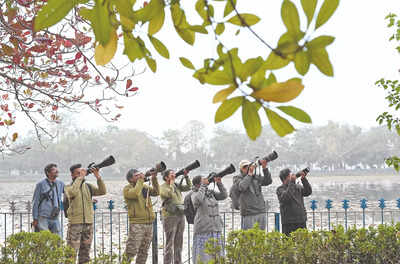
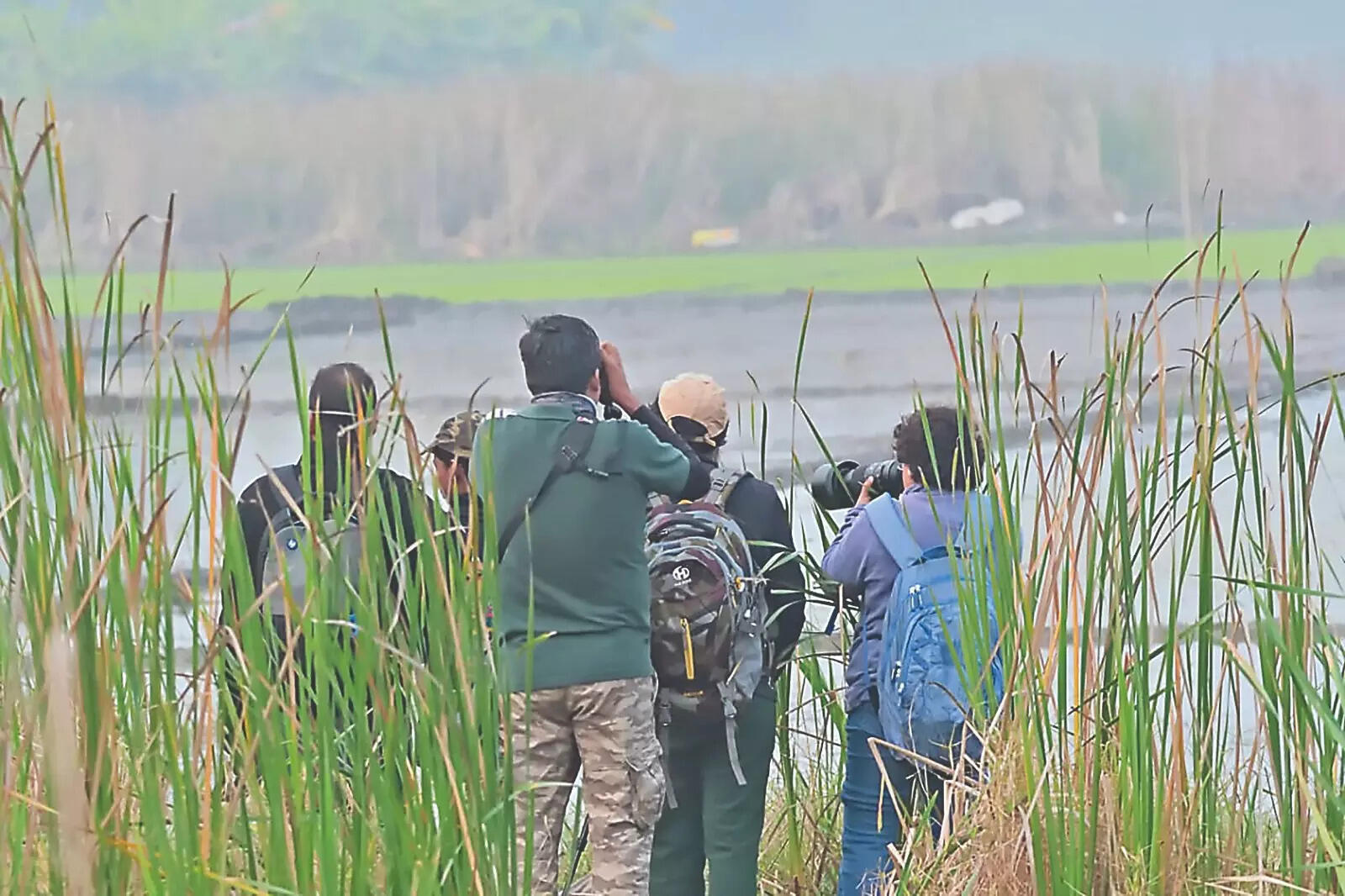
If you ever spot a cluster of people at Rabindra Sarovar with big camera lenses and binoculars trained on the reeds, you know bird photography is in session. At first light, tripods are left in the bag, lenses are wiped clean, and fingers hover near shutter buttons. Someone whispers, “Chunilal achhe.” For the next few minutes, a black-and-white shape holds its ground in the marsh,motionless, almost ghostly,before suddenly lifting off and vanishing.
This fleeting spectacle captures why bird photography, not just birdwatching, is rapidly picking up in Kolkata. Despite declining migratory bird numbers, worsened by rising AQI and urban pressures, city residents are flocking to wetlands, drawn by the hope of witnessing these rare, mesmerising moments. Slow, demanding, and unpredictable, the pursuit has become a weekend ritual for those seeking both challenge and wonder.
From hobby to habit
Dr. Mitali Deb, medical superintendent at Jadavpur University, has been photographing birds for nearly nine years. She has seen a clear rise in participation. “Earlier, photography-based birding was limited to a few people,” she says. “Now, I see four to five new photographers almost every day.” What draws people in is the combination of technical challenge and outdoor calm. Unlike wildlife photography in forests, urban bird photography allows photographers to work close to home, before office hours or over a weekend, without travel or permits. Graphic designer Tisha Mukherjee, who has been photographing birds for about two years, describes it as a practice that sharpens both mind and body. “You walk, you wait, you think,” she says. “You’re constantly anticipating movement and light.” Audio engineer Paramanu Sarkar, who often photographs alongside Tisha, calls it a long-term pursuit. “It builds friendships. You keep returning to the same spot, chasing the same bird, trying for a better frame.”

Little grebe with its chicks
The birds, and their nicknames
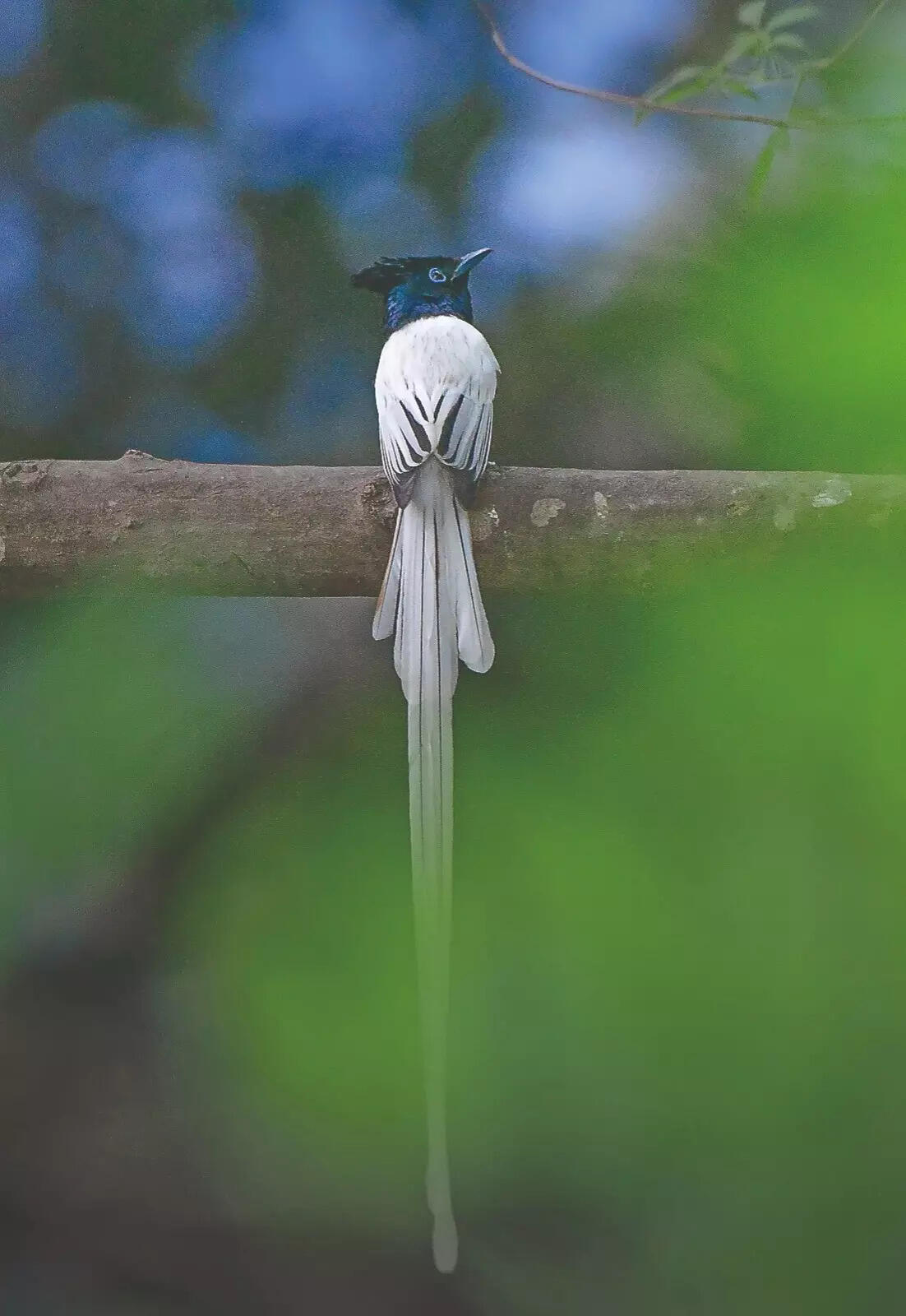
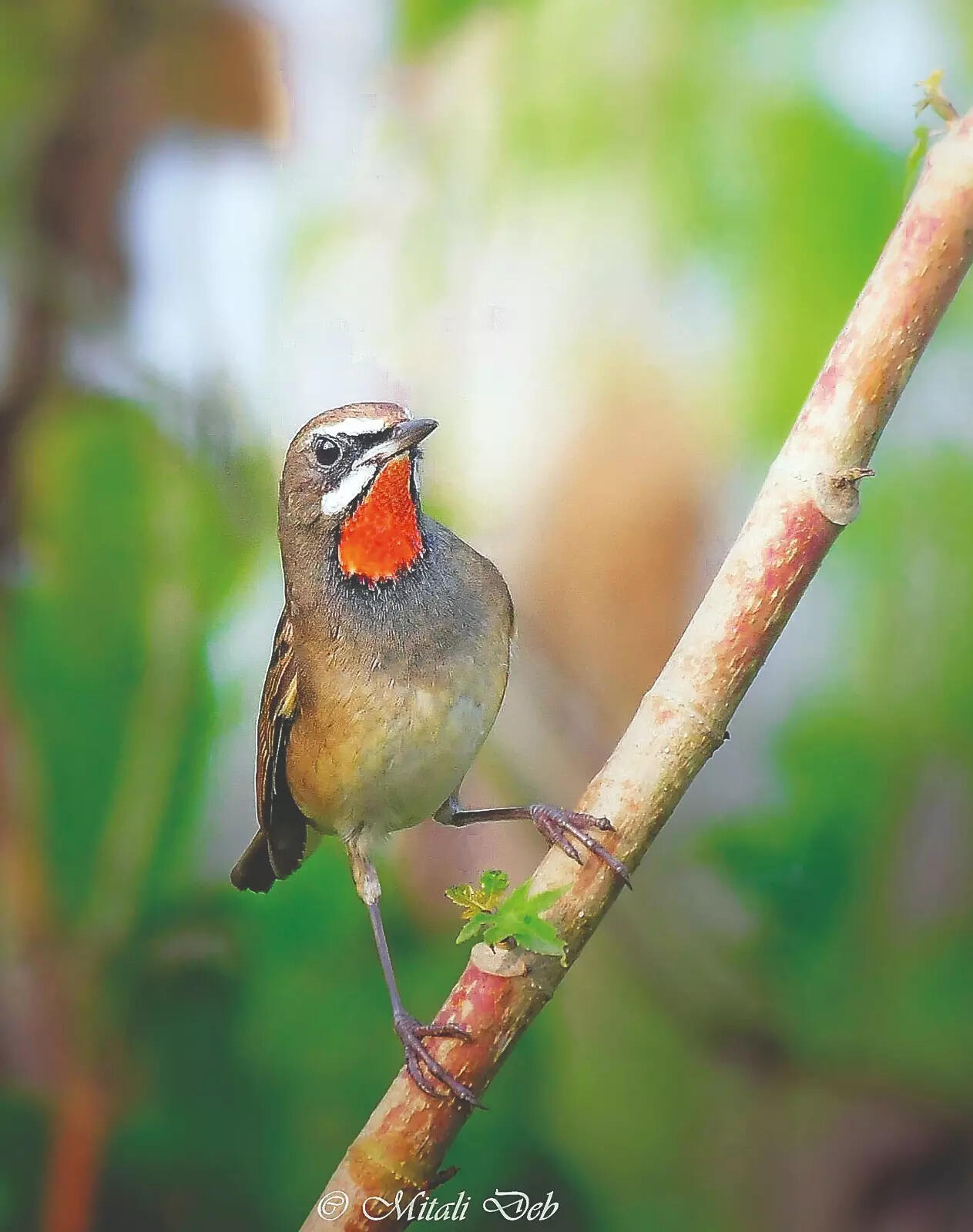
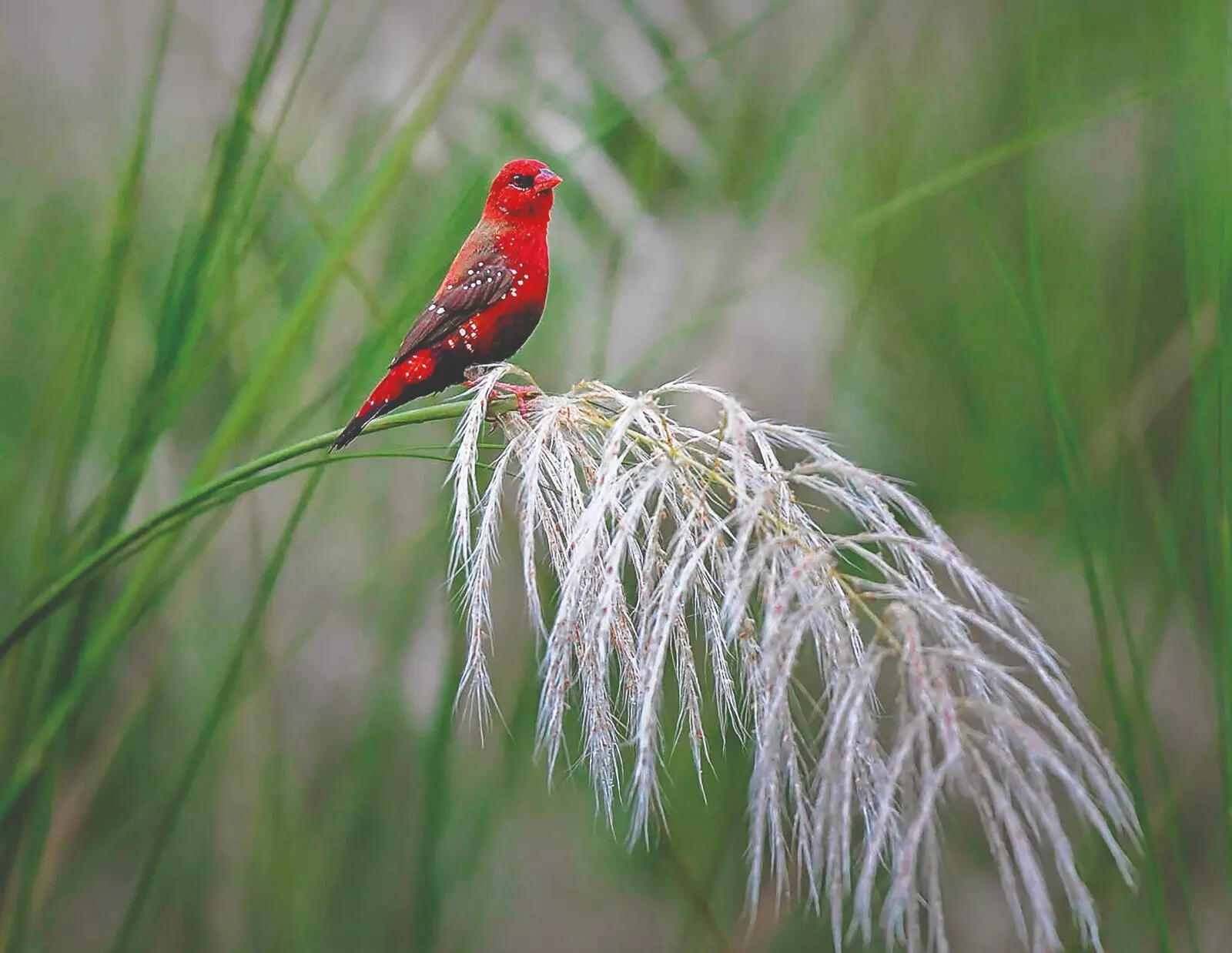
Spend enough time in the field and you’ll realise bird photographers rarely refer to birds by textbook names alone. Instead, they use daknams- nicknames shaped by behaviour and appearance.
The truth about bird photography gear
While bird photography has a reputation for being equipment-heavy, experienced photographers caution against starting too big. Sudip Ghosh, an IT professional who has been photographing birds since 2012, says many beginners overestimate what they need. “You don’t start with a full-frame body and a huge lens,” he says. “Most people grow into their gear.”
A common beginner setup includes:
Binoculars (₹5,000–₹10,000): An 8×42 is the beginner favourite, light, low-light friendly, and easy to use. Porro prisms are cheaper; roof prisms cost more but are compact and weather-resistant. Many birders say binoculars build skills faster than cameras alone.
Bridge Cameras (₹10,000–₹25,000 used / ₹25,000–₹65,000 new): Super-zoom models like Nikon P900/P950/P1000 are popular starters, allowing species documentation without heavy lenses. Limited in flight shots and low light, but more tha
n sufficient for beginners.
DSLR/Mirrorless + Telephoto (₹50,000–₹80,000 used): Used bodies like Nikon D5300/D7200 or Canon 700D/70D paired with 150–600 mm lenses offer strong value, though experienced birders warn the setup can overwhelm first-timers.
Sudip notes that the rise of EMIs and second-hand markets has made bird photography more accessible, especially for young professionals. Retirees, too, form a growing segment, bringing time, patience and discipline to the field.
Rare geese, grebes, and Yellow-breasted Buntings from Gajoldoba to Baruipur highlighted the census this year. Once the cold wave subsides, we anticipate even better sightings across Bengal’s wetland hotspots
– Priyam Chattopadhyay, member, Birdwatcher’s Society
- Rabindra Sarobar: Accessible wetland with high diversity and reliable sightings, best at first light.
- Rajarhat wetlands: Hotspot for Red Avadavat and Siberian migrants, best in early morning.
- Baruipur marshes: Famous for Pied Harrier and winter migrants; best fir long shots.
- New Town wetlands: Emerging spot for migratory birds and Paradise Flycatchers, quieter than city wetlands.
- Salt Lake wetlands & Bono Bitan Park: Species-rich but limited by entry fees and access restrictions
- Singur & Bashipata marshes: Quiet spot for migrants & large flocks, ideal for weekends.
- Eco Park (Sector V, New Town): Good for Paradise Flycatcher & small migrants; family-friendly.
Ethical birding is key: no baiting, feeding, or call playback. Never disturb birds. Wait patiently, avoiding noise, strong scents, and sudden movements for a perfect shot
Sudip Ghosh, member, Birdwatcher’s Society
End of Article
Follow Us On Social Media
Tired of too many ads?go ad free now
entertainment videos
Featured In Movies

Tired of too many ads?go ad free now



Hot on the Web
Foreign Language SyndromeJana NayaganBaby Girl NamesMakar Sankranti 2026The Raja Saab Twitter ReviewThe Raja Saab ReviewJana NayaganDhanashree VermaBaby NamesLargest City Of IndiaPrince NarulaWilliam ShakespeareSanjeev KapoorIkkis Box Office CollectionThalapathy VijayJana Nayagan MovieInherited CancersThe Raja Saab Box Office CollectionRailway Stations FoodsOptical illusionOscars 2025Stranger ThingsTu Meri Main Tera Main Tera Tu MeriEpicurusDhurandhar Movie CollectionPersonality TestEgg Boiling TipsDhurandhar Movie ReviewThe Raja Saab First ReviewMarine DriveWilliam ShakespeareBirds Sleep With One Eye OpenDon't Throw Away Aquarium Water8th January In HistoryTiny Ancient CreatureFlying SnakesWPL TeamsWorld Will Fall Into Darkness For 6 MinutesOrgans That Develop CancerNever Store Tomatoes In The FridgeBlack Holes Are Twisting The Universe
Trending Topics
Latest MoviesBollywood MoviesHollywood MoviesTamil Movies 2025Telugu Movies 2025Malayalam Movies 2025Kannada Movies 2025Marathi Movies 2025Bengali Movies 2025Top Rated Movies 2025Best Hindi MoviesBest English MoviesBest Telugu MoviesBest Tamil MoviesBest Malayalam MoviesBest Kannada MoviesBest Bengali MoviesUpcoming Hindi MoviesBest Movies Of All TimeBest Hindi Movies of All TimeLatest English MoviesLatest Malayalam MoviesEnglish TV NewsTamil TV NewsTelugu TV NewsMalayalam TV NewsKannada TV NewsMovie ReviewsBhojpuri Cinema NewsGujarati Cinema News
Popular Categories
Viral NewsK Pop NewsWeb Series NewsAnime NewsUpcoming English MoviesUpcoming Tamil MoviesUpcoming Telugu MoviesUpcoming Malayalam MoviesUpcoming Kannada MoviesFashion TipsTravel NewsEntertainment NewsBollywood NewsTollywood NewsKollywood NewsMollywood NewsFood NewsLatest Hindi MoviesLatest Tamil MoviesParenting TipsHome RemediesWeight LossBeauty TipsParenting TipsHindi VideosHindi Video SongsBhojpuri Music VideosLatest Telugu MoviesBhojpuri Music VideoHindi TV News
Latest News
Rohit Shetty talks about language barrier in cinema; says, 'Population of 140 crores, yet just 3-4 crore people in theaters'‘Was under UK lens over Kohinoor demand’: Andhra Pradesh CM N Chandrababu NaiduSabrimala gold theft case: SIT arrests chief priest Kandararu RajeevaruRajasthan Lecturer admit card 2025 released at rajasthan.gov.in: Direct link to download hall tickets hereUAE restricts scholarships for students to study in UK amid concerns over Islamist radicalisationAnupam Kher celebrates 100 days of ‘Tanvi the Great’ amid its inclusion in the Oscars 2026 listWomen’s Hockey India League: Young guns help turn things around for Pipers'Cousin thought I died': Jemimah Rodrigues recalls horrific 'church' incidentSudha Kongara speaks out on pay gap; director demands industry fairness, 'Parasakthi' set for January 10 releaseDamian Hardung: Never imagined that acting could transcend bordersKareena Kapoor Khan's struggle to make her boys Taimur and Jeh pose for holiday pics is so relatable‘Have cancelled’: Trump says no second strikes on Venezuela; pledges $100 billion investmentHow female-led films like 'Lokah', 'Mahanati' and 'The Girlfriend' in South Indian cinema have broken the glass ceiling in recent yearsTop 5 reasons why the Ranveer Singh led, Aditya Dhar helmed 'Dhurandhar' buzz is still aliveChilling out in Pune: Ice skating emerges as a new trend in Pune; Creating a community hub for fun and fitness‘The Girlfriend’ director Rahul Ravindran calls Samantha Ruth Prabhu’s ‘Maa Inti Bangaaram’ teaser a ‘Banger’‘Swings like a wild pendulum’: Mallikarjun Kharge targets Modi government’s foreign policy; flags China outreach, Donald Trump remarksWPL Speed Queen: India’s search for the fastest woman bowler has begun