- News
- entertainment
- events
- hyderabad
- No more ‘MAD’ness in the comics world
Trending
This story is from July 7, 2019
No more ‘MAD’ness in the comics world
After publishing 550 regular issues since it’s inception in 1952, MAD Magazine, the iconic American satire publication, will no longer be sold on newsstands after its August issue. The mag that gave the world, Alfred E Neuman, it’s unmistakable mascot, will also cease to publish original content except for year-end issues and will only print ‘nostalgic content’ from its massive 67-year-old repertory
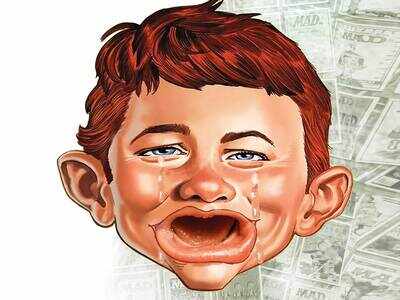
Mad Magazine, the long-running satirical publication that has amused and outraged readers for nearly seventy years, will be leaving newsstands after its August issue this year. From now on, the rollicking satirical mag with its freckled, big-eared mascot Alfred E Neuman will be published monthly with original satire only until September, its publisher DC Comics confirmed recently. But “after issue #10 this fall there will no longer be new content — except for the end-of-year specials, which will always be all new. So, starting with issue #11 the magazine will feature classic, best-of and nostalgic content from the last 67 years,” it said in a statement.

Known for its adult humour and sharp political edge, Mad, was first published in 1952 and became a comic tour-de-force that influenced many well-known satirists. “I am profoundly sad to hear that after 67 years, MAD Magazine is ceasing publication. I can’t begin to describe the impact it had on me as a young kid — it’s pretty much the reason I turned out weird. Goodbye to one of the all-time greatest American institutions (sic),” tweeted renowned comedian, musician and the first guest editor of the mag in 2015, Weird Al Yankovic.
The Simpsons’ writer Josh Weinstein also tipped his hat to the publication’s comic power. “Goodbye, Mad Magazine. Thanks for inspiring generations and generations of comedy and most of all, thanks for the laughs. There was a moment in so many of our childhoods where you were the greatest thing ever (sic),” he posted.
The publication had more than two million subscribers at its high point in the early 1970s, but that plummeted to just 140,000 in 2017, wrote Michael J. Socolow, associate professor of communications at University of Maine, USA.
MAD got a shout out from President Donald Trump in May 2019 when he likened Pete Buttigieg — the young Midwest mayor running to be the Democratic candidate for president — to the magazine’s grinning figurehead, Alfred. “Alfred E Neuman cannot become president of the United States,” he told a news outlet. But perhaps in a sign of the publication’s shrinking reach, the 37-year-old Buttigieg answered: “I’ll be honest, I had to Google that. I guess it’s just a generational thing.”
The magazine set itself apart as a cultural beacon for decades with its unabashed tendency to make fun of anything and push conventional boundaries. It even seemingly parodied fellow popular magazine Playboy, with its fold-in feature that appeared in nearly every issue. But instead of featuring scantily-clad models, it printed a joke. Soon after the news broke, social media was flooded with ‘thank you posts’ from people worldwide, that included host of cartoonists, comedians and humourists, among others. One of the magazine’s contributors, Evan Dorkin, tweeted, “I realise humour/media influenced by MAD outpaced MAD decades ago. So it goes. But I hope MAD publishes something someday with some new material. And I hope everyone involved lands on their feet (sic).”
—Inputs from AP/AFP
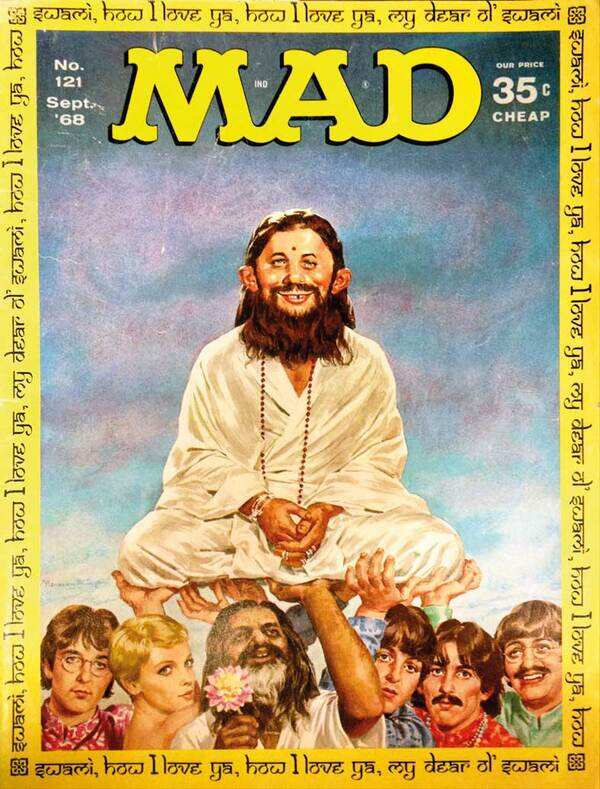
Known for its adult humour and sharp political edge, Mad, was first published in 1952 and became a comic tour-de-force that influenced many well-known satirists. “I am profoundly sad to hear that after 67 years, MAD Magazine is ceasing publication. I can’t begin to describe the impact it had on me as a young kid — it’s pretty much the reason I turned out weird. Goodbye to one of the all-time greatest American institutions (sic),” tweeted renowned comedian, musician and the first guest editor of the mag in 2015, Weird Al Yankovic.
The Simpsons’ writer Josh Weinstein also tipped his hat to the publication’s comic power. “Goodbye, Mad Magazine. Thanks for inspiring generations and generations of comedy and most of all, thanks for the laughs. There was a moment in so many of our childhoods where you were the greatest thing ever (sic),” he posted.
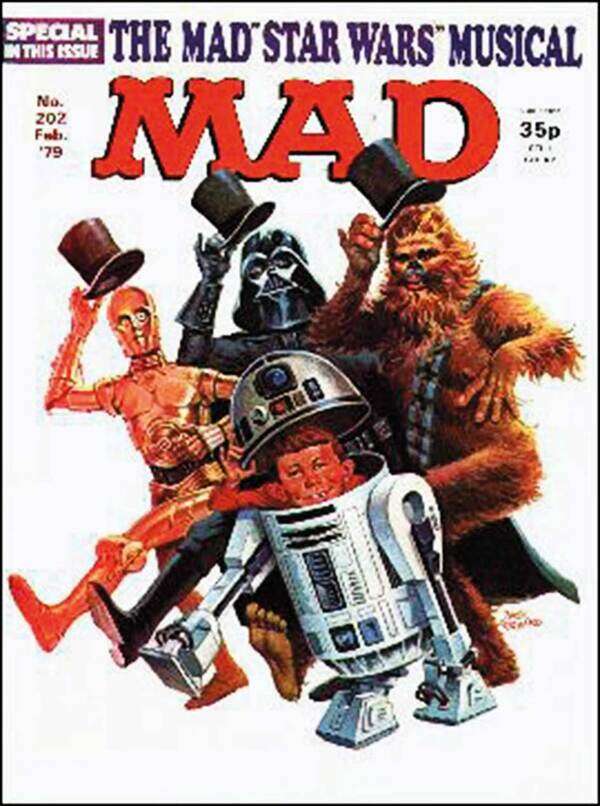
The publication had more than two million subscribers at its high point in the early 1970s, but that plummeted to just 140,000 in 2017, wrote Michael J. Socolow, associate professor of communications at University of Maine, USA.
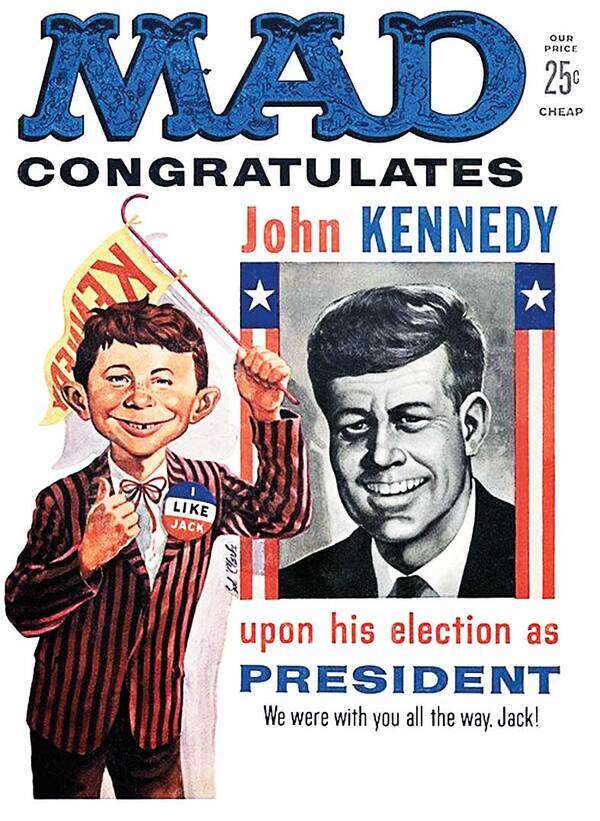
MAD got a shout out from President Donald Trump in May 2019 when he likened Pete Buttigieg — the young Midwest mayor running to be the Democratic candidate for president — to the magazine’s grinning figurehead, Alfred. “Alfred E Neuman cannot become president of the United States,” he told a news outlet. But perhaps in a sign of the publication’s shrinking reach, the 37-year-old Buttigieg answered: “I’ll be honest, I had to Google that. I guess it’s just a generational thing.”
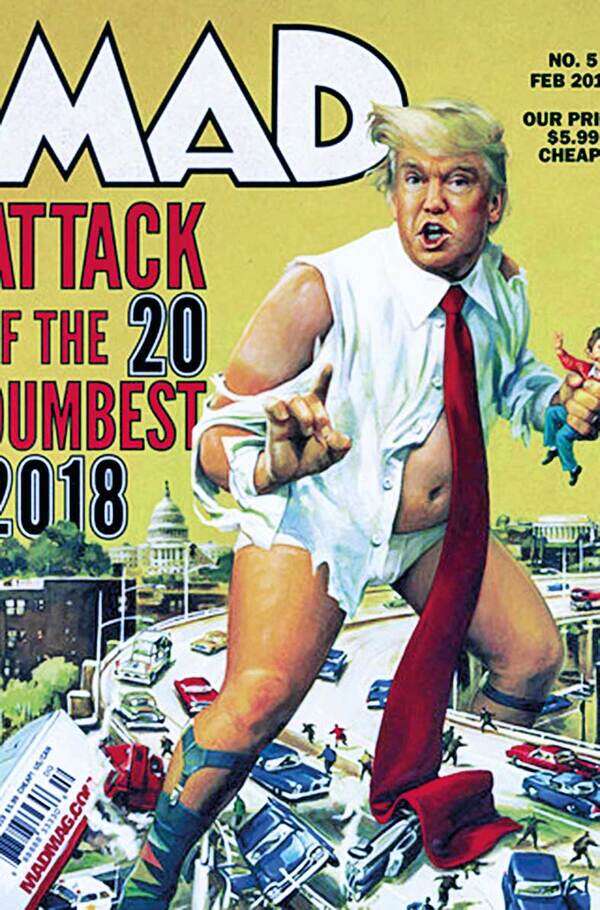
The magazine set itself apart as a cultural beacon for decades with its unabashed tendency to make fun of anything and push conventional boundaries. It even seemingly parodied fellow popular magazine Playboy, with its fold-in feature that appeared in nearly every issue. But instead of featuring scantily-clad models, it printed a joke. Soon after the news broke, social media was flooded with ‘thank you posts’ from people worldwide, that included host of cartoonists, comedians and humourists, among others. One of the magazine’s contributors, Evan Dorkin, tweeted, “I realise humour/media influenced by MAD outpaced MAD decades ago. So it goes. But I hope MAD publishes something someday with some new material. And I hope everyone involved lands on their feet (sic).”
—Inputs from AP/AFP
End of Article
FOLLOW US ON SOCIAL MEDIA








Photostories
entertainment videos
Featured In Movies
Popular Categories
Entertainment NewsBollywood NewsTollywood NewsKollywood NewsMollywood NewsMovie ReviewsLatest Hindi MoviesLatest Tamil MoviesMX PlayerParenting TipsHome RemediesWeight LossBeauty TipsParenting TipsHindi VideosHindi Video SongsBhojpuri Music VideosLatest Telugu MoviesBhojpuri Music VideoHindi TV News
Trending in Entertainment
Latest MoviesBollywood MoviesHollywood MoviesTamil Movies 2024Telugu Movies 2024Malayalam Movies 2024Kannada Movies 2024Marathi Movies 2024Bengali Movies 2024Top Rated Movies 2024Best Hindi MoviesBest English MoviesBest Telugu MoviesBest Tamil MoviesBest Malayalam MoviesBest Kannada MoviesBest Bengali MoviesUpcoming Hindi MoviesBest Movies Of All TimeBest Hindi Movies of All Time
Trending in Etimes
Horoscope TodayNumerology Predictions TodayDinner With TrumpTim WalzIvanka TrumpJose LopezKristina JoksimovicJoe WilsonTrump Eating The Dogs SongGermany NewsKamala HarrisPrince HarryPatriot Day 2024Diabetes RiskHappy Mindfulness Day 2024Trump Vs HarrisJoe JonasPositive Thinking Day 2024Dave Bautista
Trending in TV
Trending in Lifestyle
Trending in Regional
Movie Reviews
Berlin ReviewThe Buckingham Murders ReviewSpeak No Evil ReviewVisfot ReviewThalapathy Is The G.O.A.T ReviewRebel Ridge ReviewDetective Conan vs. Kid the Phantom Thief ReviewBeetlejuice Beetlejuice ReviewPad Gaye Pange ReviewA Wedding Story ReviewThe Diary Of West Bengal ReviewTikdam ReviewKinds Of Kindness ReviewAfraid Review
Upcoming Hindi Movies
Upcoming Regional Movies
Latest News
Kaun Banega Crorepati 16: Can you guess the answer for this Rs 3,20,000 question on Navy, which contestant Naman Jain incorrectly answered?IIM Jammu hosts 'Fostering Academia and Industry Partnerships' event at BengalaruMP Bharat, TDP Andhra President Srinivas promise action to safeguard protection of steel plant workersLiverpool slump to shock 1-0 home defeat by Nottingham ForestVinith Venkatesh scores in ISL debut as Bengaluru FC edge past East BengalJitendra Jorwal takes charge as new Ludhiana deputy commissioner, vows seamless delivery of servicesAnanya Panday urges all industries to form Hema Committee': 'Clearly, no one else is doing it but women'Nine arrested on charges of assaulting a Dalit woman at Kallukunta village in Kurnool district'Calling all Swifties for Trump': Donald's new campaign merch imitates Eras Tour shirtsWWE Hall of Famer Watches 15 Hours Of Wrestling Each WeekDallas Cowboys Set to Defend AT&T Stadium in Week 2 Clash with New Orleans SaintsTovino on training for Kalaripayattu in ‘ARM’: I practiced every single day, even if I had a hectic day on set8 animals that reproduce without matingDelhi Police Files FIR for Firecracker Celebration Outside CM Kejriwal's ResidenceThrowback: When Alia Bhatt responded to insecurity questions about Ranbir Kapoor, shut down gossipIndia's T20I captain Suryakumar Yadav turns 34: A glimpse into his stellar T20 careerThe 3 Strongest Zodiac Signs: Powerhouses of the Zodiac Wheel7 benefits of drinking lemon water with black salt daily
Other Group Sites -
ETimes is an Entertainment, TV & Lifestyle industrys promotional website and carries advertorials and native advertising.