
- News
- entertainment
- english
- hollywood
- How Christian Bale transformed himself beyond recognition for movie roles
How Christian Bale transformed himself beyond recognition for movie roles
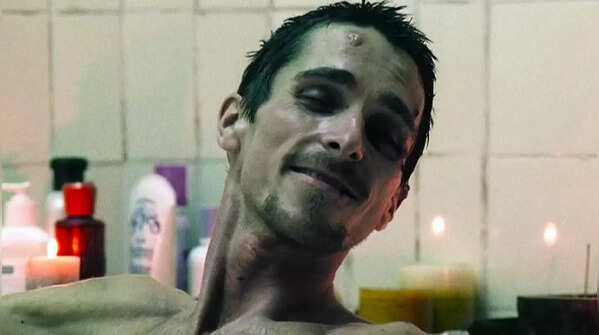
The Machinist
Christian Bale was born on January 30, 1974, in Haverfordwest, Pembrokeshire, Wales. Over the years, he has built a reputation as one of the most physically committed actors in modern cinema. Bale is known for reshaping his body, voice, and mannerisms to suit each role, often pushing himself to uncomfortable extremes. His work has earned him one Academy Award, two Golden Globe Awards, and multiple BAFTA nominations.
That reputation was firmly cemented with The Machinist. For the role, Bale survived on a minimal diet of apples, tuna, and black coffee, dropping to an alarmingly skeletal weight. The transformation is unsettling not only because of how thin he became, but because of how his sunken eyes and fragile posture quietly communicate guilt and mental collapse before the script ever spells it out.
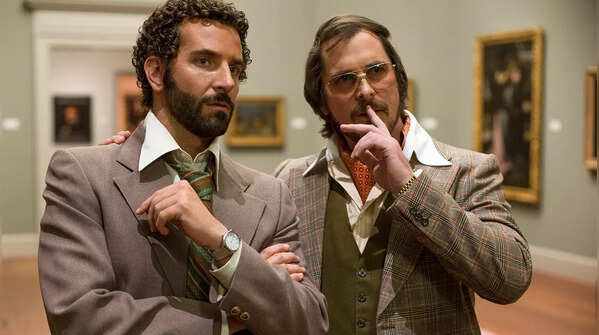
American Hustle
For American Hustle, Bale embraced weight gain and physical discomfort. The infamous comb-over was only part of the change. He built a character whose bravado barely hides insecurity. The added weight feeds the performance, making every boast feel slightly forced and every smile carefully constructed.
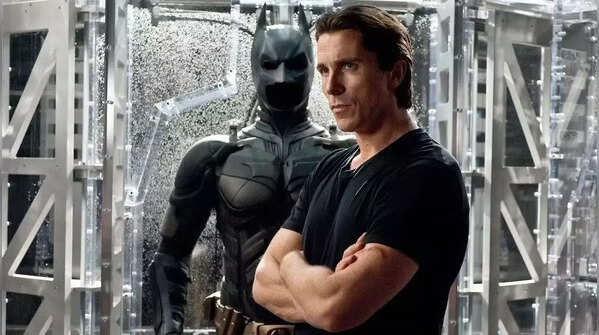
Batman series
His next challenge was moving from that extreme to becoming Batman. In the trilogy that started with Batman Begins, Bale had to virtually reconstruct his physique. He gained muscle rapidly, overshot the ideal size, then leaned down to find the right balance. Across The Dark Knight and The Dark Knight Rises, the transformation became more refined. His movements grew leaner, his aggression more controlled, and the emotional weight heavier. Even inside a painful, restrictive suit, his performance stayed fluid and grounded.
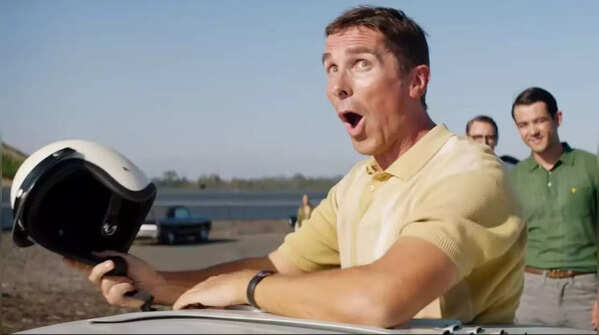
Ford v Ferrari
After years of extremes, Ford v Ferrari showed restraint. Bale slimmed down without spectacle and focused on posture, accent, and restless intensity. His portrayal of Ken Miles feels lived-in and precise, shaped by obsession rather than excess. It is a reminder that some of the most impressive transformations are the ones that do not demand attention.
Rescue Dawn
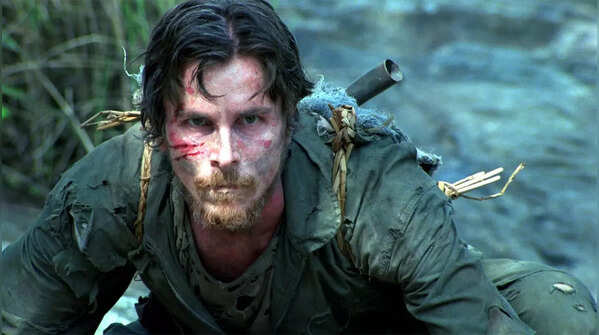
In Rescue Dawn, Bale stripped things back again. The purpose of the weight loss in Rescue Dawn was to evoke a sense of realism rather than shock. Filming under harsh jungle conditions, he and his co-stars were genuinely exhausted. The fatigue on screen is lived, not acted, proving that transformation can be quiet and still deeply affecting.
The Fighter
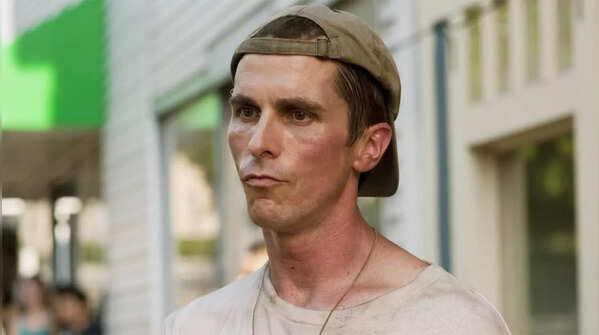
The Fighter showed a different kind of dedication. Bale focused less on appearance alone and more on movement and behavior. He studied footage obsessively to capture Dicky Eklund’s twitchy walk and nervous energy. Staying in character between takes, he unsettled even the crew. The result was a performance rooted in empathy rather than imitation, earning him his first Academy Award.
Vice
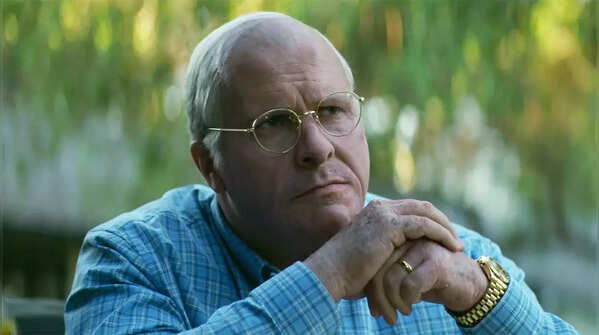
In Vice, Bale all but vanished. Through prosthetics, weight gain, altered breathing, and a flattened voice, he transformed into Dick Cheney. He paid close attention to Cheney’s silences as much as his speeches. The effect is unsettling because the actor disappears, leaving only the character behind.
Featured In entertainment

