- News
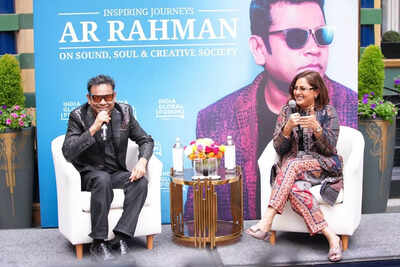
- 'The most important thing about art is freedom': AR Rahman at London forum
'The most important thing about art is freedom': AR Rahman at London forum
AR Rahman, at the India Global Forum London 2025, expressed his desire for artistic freedom beyond traditional cinema, highlighting his immersive project, Le Musk. He voiced concerns about the decline of Indian classical music and introduced JHAALA, an initiative to support emerging talent. Rahman also urged artists to embrace AI as a tool while emphasizing music's unifying and healing power.
End of Article
Follow Us On Social Media








Photostories

Top Trending
Hot on the Web
Shefali Jariwala Death Live UpdateShefali Jariwala Death NewsShefali JariwalaKannappa Movie ReviewRaja ChaudharyHair Growth OilsMaa Box Office CollectionShefali Jariwala Death CausesKannappa Movie ReviewHeart HealthMaa Movie ReviewPanchayat 4 ReviewSalman KhanPanchayat Actors FeesParag TyagiCoffee BenefitsKumar VishwasCardiac Arrest SymptomsKannappa ReviewYukta MookheyVishnu ManchuKannappa Box Office CollectionKuberaa Box Office CollectionSanvikaaWorld Largest SnakesSitaare Zameen Par Box Office CollectionMahesh AnandVitamin D DeficiencyLeopard Sighting PlacesPriya SachdevFoods That Makes youngerBest Romantic AnimeHigh Blood Sugar In MorningBlack Mamba FightWorld Richest ManSimpson PredictionBad Breath CausesMicrosoft Sued By AuthorsNikhil KamathGauranga DasCastor Oil BenefitsGeneral Motors Recalls
Trending Topics
Vaibhav SuryavanshiIND vs ENGMukesh KumarD GukeshShikhar DhawanWI vs AUS 1st TestCBSE Supplementary TimetableUNIRAJ ResultREET CertificateBest Education CountriesJeff Bezos Educational QualificationData Analyst vs Financial AnalystTS EAMCET 2025 CounsellingGautam GambhirNaz ReidMitch MarnerKyrie IrvingMatthew SchaeferJohn TavareJared GoffRoman ReignBill BelichickJEECUP Counselling 2025Indus Waters TreatyKolkata GangrapeOperation NarniaAlex Bregmans WifeCM PunkRoman ReignsWWE SmackdownVitamin D DeficiencyPassport SevaNYT ConnectionsWordle Today HintsElon MuskMasayoshi SonBest Foods For EyesightUS VisaBill GatesSam AltmanMagic The GatheringJeff Bezos
Popular Categories
HeadlinesSports NewsBusiness NewsIndia NewsWorld NewsBollywood NewsHealth+ TipsIndian TV ShowsTechnologyTravelEtimesHealth & FitnessNFLIntel The Learning CurveIndia vs EnglandAstrologyWeather TodayPlatinum Rate TodaySilver Rate TodayGold Rate TodayDelhi AQI TodayJune Bank HolidaysPublic Holidays in JuneStock Market HolidaysNSE HolidaysBSE HolidaysTechnology NewsInternational SportsPublic HolidaysBank Holidays
Latest News
NYT Strands today: Clues, answers, Spangram for June 28, 2025IND vs ENG: Jasprit Bumrah hits the nets as Team India focuses on bowling drills on Day 2Tolly celebs visit Bankim Chandra’s Naihati homeFormer WJSN’s Luda to make big screen debut; horror flick in the works - deets inside!Bigg Boss Telugu 9: Nagarjuna returns as host; Makers unveil the logoInside The Traitors: Twists, Betrayals and the Finale AheadFans go wild as Paige Bueckers enjoys electric courtside moment with Kyrie Irving during Indiana Fever vs Dallas Wings gameUAE schools to train 75,000 students on real-world money skills under ‘young investor programme’'Barbados will forever be in my veins': Rohit Sharma relives India’s T20 World Cup 2024 gloryAI for India summit: Experts call for stronger R&D from academia and industry; AI adoption growing across sectorsSatish Raj Goravigere receives cultural recognition for Kannada News Today‘Digital arrest’ scam in Thane: 3 arrested for duping man of Rs 3.04 crore; money converted to cryptoShefali Jariwala's demise: CINTAA and AICWA post a heartfelt note as a tribute to the actress - Deets insideIsraeli airstrikes kill 34 in Gaza: Trump eyes truce ‘within a week’; UN aid lootedSophie Turner and Peregrine Pearson fuel reconciliation rumors after cozy date at GlastonburyFrom battling cancer to crowned leader: Dr Parin Somani’s journey of global empowermentKarnataka tiger deaths: 3 arrested for poisoning at MM Hills sanctuary; wildlife officials call it worst single-day tiger mortality in IndiaKajol narrates the incident when Amrish Puri lost his memory after filming the waterfall scene with Ajay Devgn: “Kaun hu main, kya kar raha hu?”
Copyright © 2025 Bennett, Coleman & Co. Ltd. All rights reserved. For reprint rights: Times Syndication Service