
- ETimes
- Movies
- Movie Reviews
- Bengali
- Ahana: The Light Within

Ahana: The Light Within
UA1 hr 28 minsReleased: 5 Sep, 2025
Bengali
Drama
3.0
Critic's Rating
3.0
Users' Rating
About the Movie
A married writer (Sudipta) and her husband (Joy) battle marital problems arising out of the latter's infertility, social expectations and the power dynamics between the two



Ahana: The Light Within Movie Review: Sudipta shines in this drama about patriarchy & prejudice

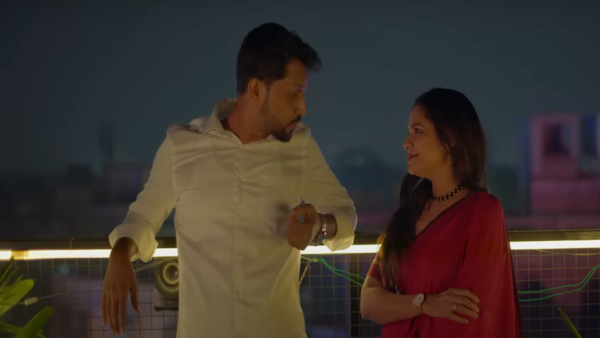
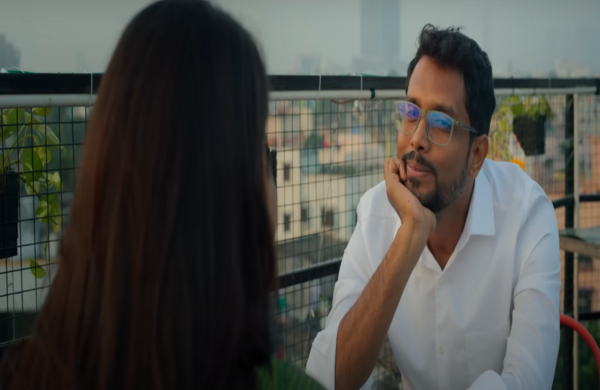
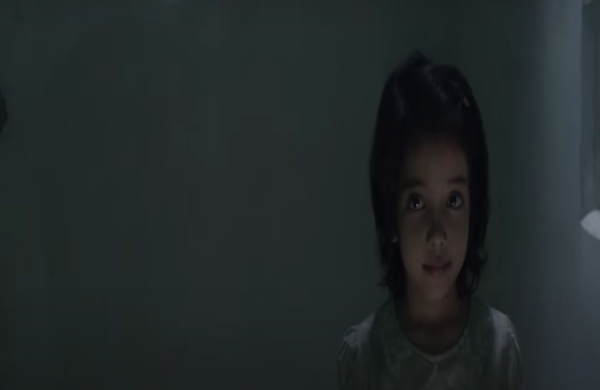
Promita Bhowmik’s Ahana: The Light Within is a layered, thoughtful exploration of marriage, patriarchy, and the silent strain of infertility. By placing male infertility at its centre-a subject rarely acknowledged in Bengali cinema. Bhowmik creates a narrative that is both empathetic and radical. She treats the theme with sensitivity, situating it within a web of relationships, silences, and unspoken expectations.The writing is deliberate, with dialogues that are well-crafted yet never theatrical. They resonate because of what remains unsaid. At times, the cinematography feels raw and uneven with shaky frames that might suggest a lack of polish. Yet this roughness, rather than distracting, enhances the film’s texture, giving it a naturalistic, almost documentary-like immediacy.At the core of the film is Sudipta Chakraborty’s Ahana, a woman whose strength lies as much in her silences as in her words. Ahana is not just a wife and daughter-in-law, she is also a writer, a creator of worlds. Her professional success becomes a source of both pride and envy within her marriage, exposing another power dynamic at play. Her husband, played by Joy Sengupta, is unable to reconcile his masculinity with both infertility and the discomfort of being overshadowed by his partner’s achievements. He resists IVF, psychological counselling, and even emotional openness, clinging instead to an idea of strength that corrodes intimacy. Yet Ahana continues to claim love for him, reminding us of the contradictions women live with, nurturing affection even within unequal bonds.If Joy Sengupta embodies the fragile, defensive masculinity of the household, Saumya Sengupta as the father-in-law offers its silent counterweight. His presence is haunting in its quietude, he knows more than he ever voices, understands more than he admits. His voicelessness is not absence but restraint, and his unspoken bond with Ahana becomes one of the film’s most tender threads.The film expands its canvas beyond marriage. It examines the morally ambiguous bond between an older man and a university student, the unresolved ache of a friend’s unrequited love, and the ways in which women themselves enforce patriarchal values through inherited taboos and prejudices. Among the ensemble, Priyabrata Sen Sarkar’s best friend sometimes feels more forced than the others, his performance carrying a self-consciousness that contrasts with the otherwise naturalistic tone. Yet the discomfort of this contrast seems almost in line with the film’s jagged realism.In a small but significant role, Senjuti Roy Mukherjee appears as the psychologist. Her presence underscores what the couple refuses to acknowledge - that healing and communication require professional help, not silence or denial. Though her screen time is brief, she embodies the film’s insistence on alternative ways of seeing and listening, making her character pivotal to its thematic core.Visually and tonally, Bhowmik doesn’t shy away from experimenting. The dream sequence, in particular, is one of the film’s most striking devices. Used sparingly, it does not feel ornamental but psychological, slipping into Ahana’s subconscious, where fears and suppressed desires resurface. The sequence is crafted with such unsettling precision that it delivers genuine chills, blurring the line between memory and imagination, inner truth and external silence. It deepens the film’s atmosphere of unease, reminding the audience how much remains locked within the mind when words fail.Stylistically, Bhowmik’s direction privileges patience and detail. She lingers on the ordinary- domestic interiors, utensils, gestures of care, investing them with symbolism. The sound design is restrained, always secondary to the rhythms of silence. When music arrives, it does so sparingly but with force: Rabindrasangeet roots the story in cultural memory, and the raw rendition of Aj Jemon Kore Gaaiche Akash resonates long after the scene ends, carrying with it the ache of suppressed truths.The pacing is slow, sometimes edging into didactic territory, but that patience is the film’s strength. It demands that the audience sit with unease, resist easy consumption, and observe the fractures of intimacy as they unfold.In the end, Ahana is not a story of resolution but of reflection. It is about love that survives inequality, about silence that holds weight, about power dynamics that haunt even the most private spaces. A sensitive and symbolic study of intimacy, expectation, and resilience, it leaves viewers unsettled but thoughtful- a film less about escape and more about recognition.
User Reviews
0/1500
Post ReviewTrailer

Ahana: The Light Within - Official Teaser
Videos


Photos


Latest Movie Reviews




Hot on the Web
László BíróMother's Day WishesArbaaz KhanMatilda LedgerMothers Day 2026Mother's Day Gift Ideas 2026Hantavirus SymptomsDhurandhar 2 OTTShah Rukh KhanRajinikanthBlack MambaRam Gopal VarmaR MadhavanMothers Day MemesKaran JoharMoushumi ChatterjeeInland Taipan SnakeMulga King Brown SnakeSoha Ali KhanCelina JaitlyApple VS BananaMost Snake Population CountriesMango City Of IndiaBaby NamesSundar PichaiGauravi KumariAC Blast RiskDhurandhar 2 Box Office CollectionRaja Shivaji Box Office CollectionHoroscope TodayRare Earth MangoDasia TaylorSnakes SlitherOne Kidney VillageYellow Bellied Sea SnakeAttracts Snakes To ToiletCloudflare LayoffsJP MorganApple LawsuitNyt ConnectionsMaruti Suzuki EecoCaptions For Instagram Posts
Trending Topics
Latest MoviesBollywood MoviesHollywood MoviesTamil Movies 2026Telugu Movies 2026Malayalam Movies 2026Kannada MoviesMarathi MoviesBengali Movies 2026Top Rated Movies 2026Best Hindi MoviesBest English MoviesBest Telugu MoviesBest Tamil MoviesBest Malayalam MoviesBest Kannada MoviesBest Bengali MoviesUpcoming Hindi MoviesBest Movies Of All TimeBest Hindi Movies of All TimeLatest English MoviesLatest Malayalam MoviesEnglish TV NewsTamil TV NewsTelugu TV NewsMalayalam TV NewsKannada TV NewsMovie ReviewsBhojpuri Cinema NewsGujarati Cinema News
Popular Categories
Viral NewsK Pop NewsWeb Series NewsAnime NewsUpcoming English MoviesUpcoming Tamil MoviesUpcoming Telugu MoviesUpcoming Malayalam MoviesUpcoming Kannada MoviesFashion TipsTravel NewsEntertainment NewsBollywood NewsTollywood NewsKollywood NewsMollywood NewsFood NewsLatest Hindi MoviesLatest Tamil MoviesParenting TipsHome RemediesWeight LossBeauty TipsParenting TipsHindi VideosHindi Video SongsBhojpuri Music VideosLatest Telugu MoviesBhojpuri Music VideoHindi TV News
Latest News
Hazaribag man drowns while fishing in lake"Behen Darr Gayi!": Fans relive ‘Bhagam Bhag’ era after watching Akshay Kumar's 'Bhooth Bangla' trailerMBOSE HSLC result 2026 to release tomorrow: Check details hereIran war risk: JPMorgan CEO Jamie Dimon warns of oil shocks, sticky inflation and higher interest ratesMake your clutch last longer with these easy driving tips“Three-against-one situation”: El Rubius opens up on being “targeted” in MrBeast’s viral $1M challengeBihar BTSC lab assistant notification released for 1091 posts at btsc.bihar.gov.in; apply hereIPL craze costs techie Rs 1.46 lakh in fake RCB vs CSK ticket scamRaising “robot-proof” kids: Why creativity and curiosity matter more than everInside ‘Satguru Sharan’: Exploring Saif Ali Khan and Kareena Kapoor Khan’s Rs 100 crore Bandra homeHow selling Alaska in 1867 was a costly mistake for Russia'Hera Pheri 3 is coming': Paresh Rawal dismisses delay reports and reveals he will 'start shooting soon'US-Iran War: A daring rescue Hollywood blockbuster is on its way. Till then, pick your favourite from these 10 films on bringing someone home against all oddsKolkata team unveils fan mural at Rash Behari Avenue, celebrating city’s first loveHow US spread a lie to rescue a pilot of a jet shot down in IranNetflix unveils ‘VOID’, an AI model that can change a movie plotAI data centers are causing 'stress' not just to tech companies, but also private insurers"Trans women are.....": Clavicular’s viral moment with trans women sparks fresh conversation on internet culture